Wild Adventures, Timeless Memories…

Odysseys From Africa

Safari Blog

Guides, itineraries and field notes from our safari specialists in Arusha — everything you need to plan your Tanzania and Kenya adventure.

Prison Island Zanzibar
Zanzibar Travel Guides·

Prison Island Zanzibar: Discover Giant Tortoises and a Remarkable Island History

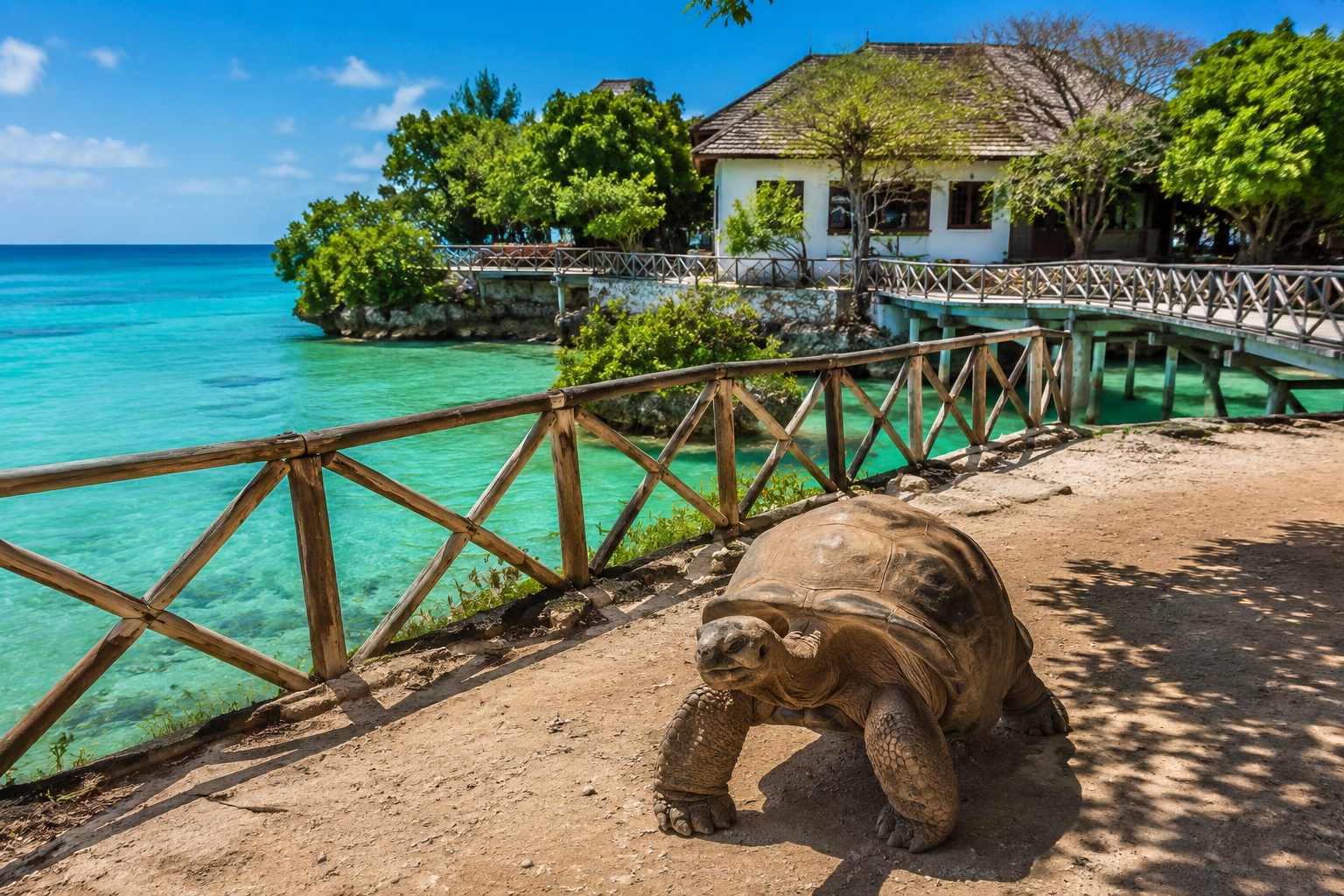
Prison Island Zanzibar is one of the island’s most popular half-day excursions, combining fascinating history, endangered Aldabra giant tortoises, beautiful beaches, and excellent snorkelling only a short boat ride from Stone Town. It offers visitors a unique opportunity to experience both Zanzibar’s cultural heritage and its natural beauty in a single trip. Just a few kilometres offshore lies Changuu Island, better known as Prison Island. Despite its name, the island was never used as a functioning prison for criminals. Instead, its history includes quarantine facilities, colonial administration, and today, one of East Africa’s most famous conservation success stories. Visitors come not only to learn about the island’s past but also to meet the enormous Aldabra giant tortoises that have lived here for more than a century. Many Tanzania travellers include Prison Island Zanzibar after completing a safari, making it an easy addition to a stay in Stone Town before relaxing on Zanzibar’s spectacular beaches. At Odysseys From Africa, we often recommend this excursion because it combines history, wildlife, marine experiences, and breathtaking coastal scenery in just a few hours. Where Is Prison Island Zanzibar? Prison Island Zanzibar is located approximately 5.5 kilometres northwest of Stone Town and can be reached by traditional wooden boat in around 20 to 30 minutes. The island is officially known as Changuu Island. Today it forms one of Zanzibar’s most visited historical and ecological attractions. Most visitors depart directly from the Stone Town waterfront. The short journey across the Indian Ocean provides beautiful views of: Stone Town skyline. Traditional dhows. Turquoise waters. Coral reefs. Small surrounding islands. Because of its proximity to Stone Town, Prison Island is ideal for travellers with limited time. It can easily be combined with a walking tour of the UNESCO-listed old town. The Fascinating History Behind Prison Island Zanzibar Prison Island Zanzibar has a far more complex history than its name suggests, evolving from a place intended for detention into a quarantine station before becoming one of Zanzibar’s leading tourist attractions. Originally, the island was intended to serve as a prison during the late nineteenth century. However, the prison was never used for housing convicted criminals. Instead, colonial authorities converted many of the buildings into a quarantine station for people arriving in Zanzibar who were suspected of carrying infectious diseases. Today, visitors can still explore many of these historic structures. Walking through the preserved buildings offers insight into Zanzibar’s colonial history and its role as an important Indian Ocean trading centre. The restored architecture remains one of the island’s biggest attractions. Meet the Famous Aldabra Giant Tortoises One of the biggest reasons visitors choose Prison Island Zanzibar is the opportunity to encounter the island’s remarkable Aldabra giant tortoises. These impressive reptiles were originally gifted to Zanzibar by the Seychelles during the late nineteenth century. Today, the population has grown through careful conservation. Some tortoises are estimated to be well over 100 years old. Walking among these gentle giants is a memorable experience. Visitors often enjoy observing: Massive shells. Slow graceful movements. Feeding behaviour. Young tortoises in protected areas. The conservation programme has helped secure the future of this endangered species while educating visitors about wildlife protection. Why the Giant Tortoises Are So Special The Aldabra giant tortoises found on Prison Island Zanzibar are among the largest tortoise species in the world and represent one of the island’s greatest conservation achievements. Adult tortoises can weigh more than 250 kilograms. Their remarkable lifespan often exceeds 100 years. Some individuals may live considerably longer under ideal conditions. These extraordinary reptiles offer visitors a rare opportunity to observe animals that have survived for generations. Guides explain: Their history. Conservation efforts. Feeding habits. Life cycle. Meeting these gentle giants is often the highlight of visiting Prison Island. Snorkelling Around Prison Island Prison Island Zanzibar is not only famous for history and tortoises but also for its excellent snorkelling opportunities in the surrounding coral reefs. The warm Indian Ocean waters provide impressive visibility throughout much of the year. Visitors frequently encounter: Colourful reef fish. Coral gardens. Sea stars. Reef invertebrates. Occasionally sea turtles. Many half-day excursions include snorkelling equipment as part of the tour. The calm conditions make the experience suitable for beginners as well as experienced snorkellers. A Perfect Half-Day Trip From Stone Town One of the greatest advantages of Prison Island Zanzibar is its accessibility. Unlike longer island excursions, Prison Island requires only a few hours. This allows travellers to combine several experiences in one day. Popular combinations include: Stone Town walking tour. Spice farm visit. Sunset dhow cruise. Local seafood dinner. Visitors staying in Stone Town can easily return by early afternoon. This flexibility makes Prison Island one of Zanzibar’s most convenient excursions. Combining Prison Island With a Tanzania Safari Prison Island Zanzibar is an excellent addition to any Tanzania holiday, particularly after a wildlife safari across the mainland. Many travellers combine Zanzibar with visits to: Serengeti National Park. Ngorongoro Conservation Area. Tarangire National Park. Nyerere National Park. Ruaha National Park. Our Tanzania Explorer itinerary can be customised to include Stone Town, Prison Island, and several relaxing days on Zanzibar’s beautiful beaches. Travellers exploring northern Tanzania may also enjoy our Best of Northern Tanzania itinerary before flying to Zanzibar. For practical advice before your holiday, visit our Travel Information page for guidance on visas, flights, packing, and travel planning. Conclusion Prison Island Zanzibar is far more than a quick boat excursion from Stone Town. It is a destination where history, conservation, and natural beauty come together to create one of Zanzibar’s most rewarding day trips. Walking through the former quarantine buildings offers a glimpse into the island’s colonial past, while meeting the century-old Aldabra giant tortoises provides an unforgettable wildlife encounter. Add crystal-clear waters, healthy coral reefs, and excellent snorkelling, and it’s easy to see why Prison Island remains one of Zanzibar’s most visited attractions. Whether you’re exploring Stone Town, relaxing on Zanzibar’s beaches, or ending an unforgettable Tanzania safari, Prison Island Zanzibar is a worthwhile addition to your itinerary. Its convenient…

Read More
Mnemba Atoll snorkelling
Zanzibar Travel Guides·

Mnemba Atoll Snorkelling: Discover Zanzibar’s Most Spectacular Underwater World

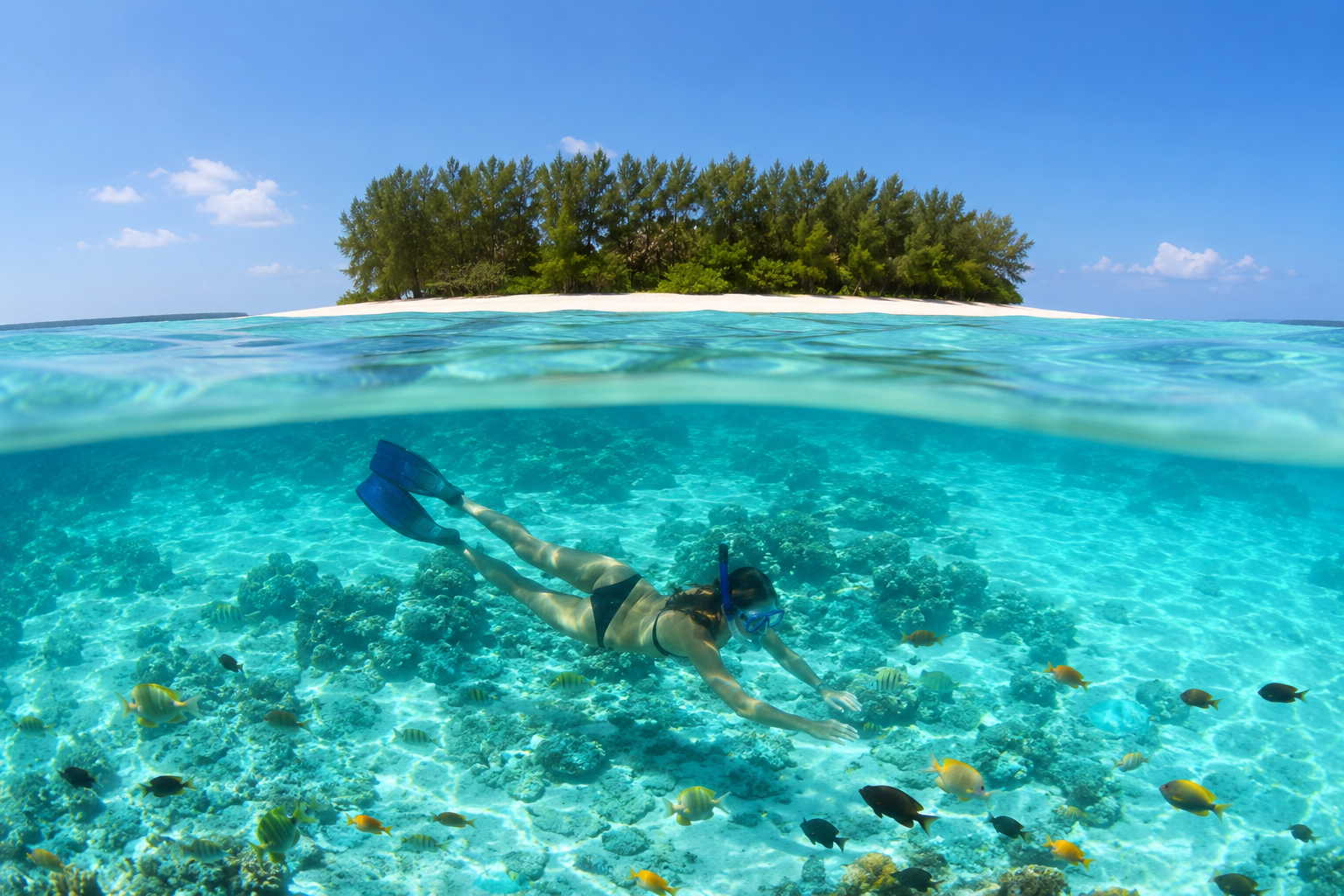
Mnemba Atoll snorkelling is considered the finest underwater experience in Zanzibar. Located just off the island’s northeast coast, the protected marine reserve is famous for crystal-clear water, thriving coral reefs, tropical fish, sea turtles, and frequent dolphin sightings. Whether you’re an experienced snorkeller or entering the ocean with a mask for the first time, Mnemba delivers one of the most memorable marine adventures in East Africa. Most visitors know Zanzibar for its powder-white beaches, spice farms and the historic streets of Stone Town. Yet beneath the turquoise waters surrounding the island lies another world waiting to be explored. The protected reefs surrounding Mnemba Atoll are among the healthiest in the Indian Ocean. The warm tropical waters support extraordinary marine biodiversity, making the area one of Tanzania’s premier snorkelling destinations. Many travellers finish a Northern Circuit safari with several days in Zanzibar, and a day at Mnemba Atoll is often the highlight of that beach extension. At Odysseys From Africa, we frequently recommend combining wildlife safaris with Indian Ocean adventures because they perfectly complement each other. After witnessing lions, elephants and giraffes on the plains, few experiences are more relaxing than floating above vibrant coral gardens surrounded by colourful reef fish. Where Is Mnemba Atoll? Mnemba Atoll lies approximately three kilometres off the northeast coast of Zanzibar Island near Matemwe Beach. The protected marine conservation area surrounds the exclusive private Mnemba Island and is easily reached by boat in around 20 to 30 minutes. Despite the island itself being privately managed, the surrounding reef is open to licensed snorkelling and diving excursions. Its convenient location makes it one of the easiest marine adventures to include during a Zanzibar holiday. Nearby destinations include: Matemwe Kiwengwa Pwani Mchangani Nungwi Kendwa Paje Most tours depart shortly after sunrise when sea conditions are calm and visibility is at its best. Travellers adding Zanzibar to one of our Tanzania Explorer itineraries often choose Matemwe as their base because of its proximity to Mnemba. Why Mnemba Atoll Snorkelling Is Famous Worldwide Mnemba Atoll snorkelling has become internationally recognised because of its exceptional underwater visibility, protected coral ecosystem, warm tropical waters and remarkable marine biodiversity. Unlike many heavily visited reefs around the world, Mnemba remains carefully protected through marine conservation measures. The result is an underwater environment that continues to thrive. Crystal-Clear Water Visibility frequently exceeds 20 metres during favourable conditions. This allows snorkellers to appreciate every detail of the coral gardens beneath them. The clear water also creates excellent photography opportunities. Healthy Coral Reefs The reef system contains both hard and soft coral species that provide habitat for hundreds of marine creatures. Visitors can observe: Coral bommies Branching coral Brain coral Plate coral Colourful reef formations These healthy coral communities are the foundation of the entire marine ecosystem. Warm Tropical Water Water temperatures remain comfortable throughout the year. Most visitors find that wetsuits are unnecessary, allowing for a far more enjoyable snorkelling experience. Protected Marine Environment Because the atoll is a marine conservation area, fishing and other activities are carefully regulated. These conservation efforts have helped preserve one of East Africa’s richest coral reef systems. Marine Life You Can Expect to See Mnemba Atoll snorkelling offers the opportunity to encounter an extraordinary variety of marine species within a relatively small area. Every excursion is different, but several species are regularly observed. Tropical Reef Fish The colourful fish are often the first thing visitors notice. Common species include: Butterflyfish Angelfish Parrotfish Triggerfish Surgeonfish Bannerfish Moorish idols Clownfish Large schools frequently swim around snorkellers without fear. Green Sea Turtles Sea turtles are among Mnemba’s biggest attractions. Watching these graceful reptiles glide effortlessly over coral gardens is unforgettable. Responsible guides ensure visitors observe turtles without disturbing them. Dolphins Early morning excursions occasionally encounter pods of: Spinner dolphins Bottlenose dolphins Although sightings can never be guaranteed, Mnemba is one of Zanzibar’s most reliable locations for dolphin encounters. Responsible operators always prioritise animal welfare by maintaining safe observation distances. Reef Invertebrates Careful observation may also reveal: Sea stars Sea cucumbers Giant clams Sea urchins Colourful nudibranchs These smaller creatures contribute significantly to the reef’s biodiversity. Best Time for Mnemba Atoll Snorkelling Mnemba Atoll snorkelling can be enjoyed throughout much of the year, but weather patterns influence visibility and sea conditions. June to October This is one of the most popular periods. Visitors benefit from: Excellent underwater visibility Calm seas Comfortable temperatures Fantastic photography conditions These months are ideal for combining a safari with a beach holiday. December to March Warm tropical weather and calm seas make this another outstanding snorkelling season. Travellers enjoy: Warm ocean temperatures Excellent sunshine Clear water Comfortable swimming conditions This period is particularly popular during Christmas and New Year holidays. April to May Although rainfall increases, there are still many excellent snorkelling days. Experienced local guides monitor daily weather forecasts before departures to ensure the safest possible conditions. Dolphin Mornings Around Mnemba One of the greatest highlights of Mnemba Atoll snorkelling is the possibility of encountering dolphins during the morning boat journey. Most boats leave shortly after sunrise because: Winds are lighter. Seas are calmer. Marine activity is often higher. Visibility is excellent. Spinner dolphins frequently travel through the deeper channels surrounding the reef. Watching them leap naturally through the Indian Ocean is often one of the most memorable moments of the excursion. Responsible operators never chase dolphins or interfere with their natural behaviour. Instead, they maintain respectful distances that allow both visitors and wildlife to enjoy the experience safely. Why Mnemba Is Perfect for Beginners One of the biggest strengths of Mnemba Atoll snorkelling is that almost anyone can enjoy it. Even visitors with no previous snorkelling experience can participate confidently. Professional guides provide: Safety briefings High-quality snorkelling equipment Flotation devices when required Guidance throughout the excursion The calm lagoon conditions and excellent visibility help beginners build confidence quickly. Families, couples and solo travellers alike can comfortably enjoy this unforgettable marine adventure. Combining Mnemba Atoll snorkelling With a Tanzania Safari Mnemba Atoll snorkelling is the perfect…

Read More
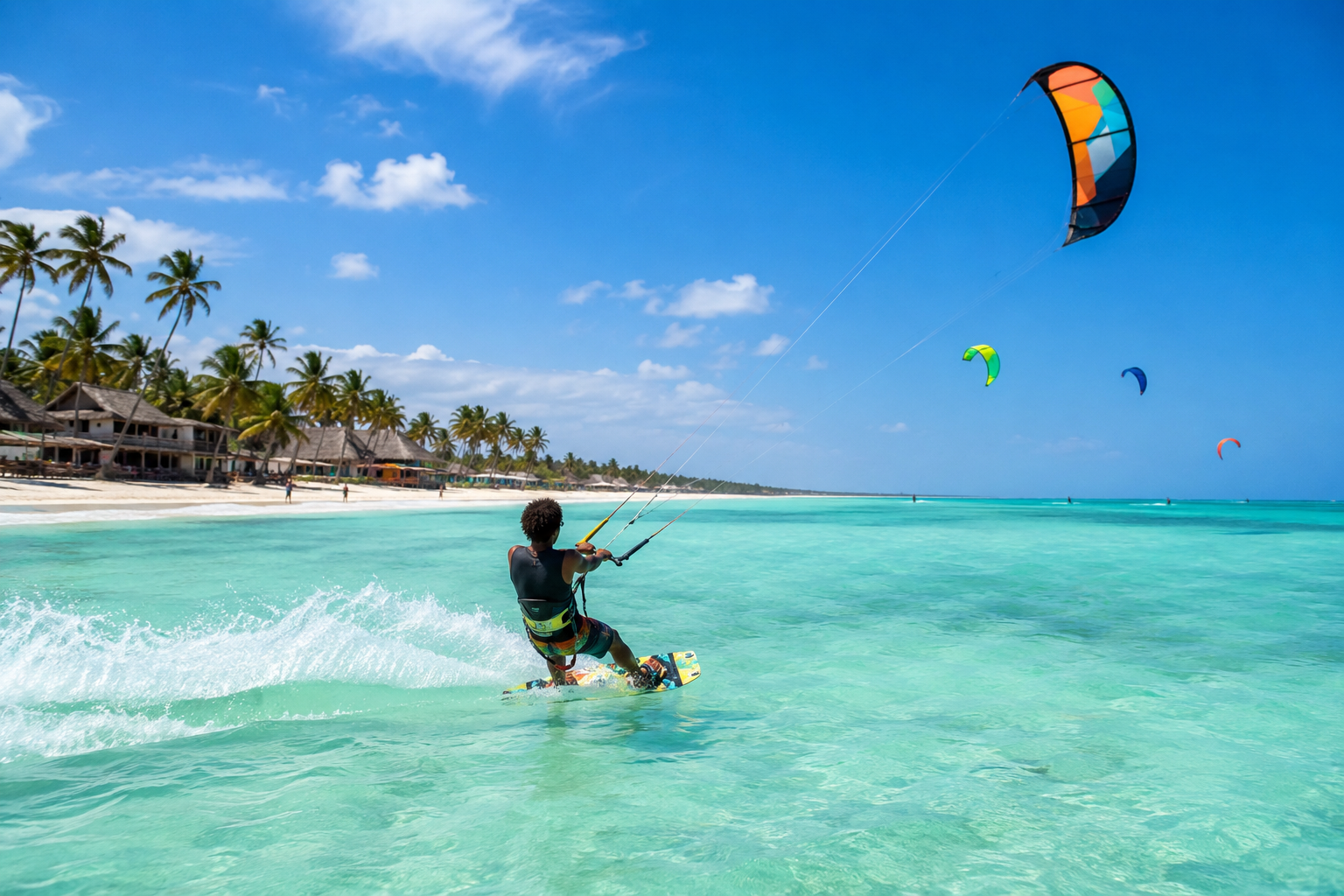
Paje Zanzibar kitesurfing
Zanzibar Travel Guides·

Paje Zanzibar Kitesurfing: Ride the Trade Winds of Zanzibar’s East Coast

Paje Zanzibar kitesurfing is one of Africa’s premier kiteboarding experiences, thanks to reliable trade winds, warm Indian Ocean waters, shallow turquoise lagoons, and a vibrant beach atmosphere. Just a short distance away, Jambiani offers a quieter coastal escape for travelers seeking relaxation after the adventure. While many visitors come to Zanzibar for white-sand beaches and historic Stone Town, the island’s east coast has earned an international reputation among water sports enthusiasts. The combination of: Consistent wind. Crystal-clear water. Wide tidal lagoons. Tropical climate. creates ideal conditions for kitesurfing throughout much of the year. Whether you are taking your first lesson or already riding confidently, Paje Zanzibar kitesurfing offers excellent conditions in a spectacular setting. Better still, nearby Jambiani provides peaceful beaches where you can unwind after an active day on the water. Growing up in East Africa, our team has seen how Zanzibar perfectly combines adventure, relaxation, and authentic coastal culture. Paje is one of the best places to experience all three. Where Is Paje Located? Paje is located on Zanzibar’s southeast coast, approximately one hour from Stone Town, and is famous for its wide beaches, shallow lagoons, and excellent wind conditions. Paje sits along one of the island’s most beautiful coastlines. Nearby attractions include: Jambiani. Bwejuu. Michamvi. Kuza Cave. The coastline offers: Powder-soft white sand. Palm trees. Warm turquoise water. Coral reefs. Its position on the Indian Ocean allows dependable seasonal winds that make it ideal for kiteboarding. Why Is Paje Famous for Kitesurfing? Paje Zanzibar kitesurfing is internationally recognised because of its reliable trade winds, shallow lagoon, sandy seabed, and warm year-round water temperatures that suit beginners and experienced riders alike. Several natural advantages make Paje one of East Africa’s leading kite destinations. These include: Reliable Trade Winds Seasonal winds create excellent riding conditions. Shallow Lagoon Large areas of waist-deep water allow beginners to practise safely. Soft Sandy Bottom The lagoon’s sandy floor provides comfortable learning conditions. Warm Tropical Waters Unlike colder kite destinations, wetsuits are generally unnecessary. These factors have helped establish Paje as a favourite destination for international kite schools and experienced riders. Best Seasons for Paje Zanzibar Kitesurfing The best seasons for Paje Zanzibar kitesurfing generally coincide with Zanzibar’s trade winds, offering consistent conditions for lessons, freeriding, and advanced kiteboarding. The island experiences two primary windy periods. Kaskazi Season Usually occurring between December and February, this season offers: Warm temperatures. Consistent winds. Excellent beginner conditions. Kusi Season Typically between June and September, stronger winds attract experienced riders looking for more challenging conditions. Outside these periods, Paje remains a wonderful beach destination even if the wind is lighter. Learning to Kite in Paje Paje is one of the best places in Tanzania to learn kitesurfing thanks to professional instructors, shallow water, predictable conditions, and internationally recognised training schools. Most beginners start with: Safety instruction. Kite control. Body dragging. Water starts. Lessons are usually tailored to individual ability levels. More experienced riders can improve: Jumping techniques. Wave riding. Freestyle skills. Professional instruction helps visitors progress safely while enjoying the spectacular setting. Beyond Kitesurfing: Other Things to Do in Paje Even if you are not interested in kitesurfing, Paje offers beautiful beaches, snorkeling, diving, paddleboarding, local restaurants, and easy access to nearby attractions. Popular activities include: Swimming. Stand-up paddleboarding. Snorkeling excursions. Diving trips. Beach walks. Yoga retreats. Seafood dining. Many travelers alternate active mornings with relaxed afternoons beside the Indian Ocean. Discovering Quiet Jambiani Jambiani offers a peaceful alternative to Paje, with traditional fishing villages, long beaches, relaxed accommodation, and a slower pace of life. Only a short drive from Paje, Jambiani feels noticeably quieter. Visitors enjoy: Peaceful beaches. Authentic Swahili culture. Fresh seafood. Traditional dhow boats. Relaxed cafés. Many travelers choose to stay in Paje for kitesurfing before moving to Jambiani for a few days of complete relaxation. Combining Paje With a Tanzania Safari Paje Zanzibar kitesurfing combines perfectly with a Tanzania safari, creating an itinerary that balances wildlife adventures with Indian Ocean relaxation. Popular safari and beach combinations include: Serengeti National Park. Ngorongoro Crater. Tarangire National Park. Nyerere National Park. Ruaha National Park. Our Tanzania Explorer itinerary can be customised to include several days in Paje after your safari. Travelers exploring northern Tanzania may also enjoy our Best of Northern Tanzania before flying to Zanzibar. Planning Paje Zanzibar Kitesurfing From the United States Travelers from the United States can easily include Paje Zanzibar kitesurfing after a Tanzania safari by flying to Zanzibar via Dar es Salaam or other regional connections. Common international connections include: Doha. Amsterdam. Istanbul. Nairobi. Visitors should prepare with: Passport and visa requirements. Travel insurance. Lightweight tropical clothing. Reef-safe sunscreen. Our Travel Information guide provides practical advice before your Tanzania and Zanzibar adventure. Where to Stay for Paje Zanzibar Kitesurfing Accommodation for Paje Zanzibar kitesurfing ranges from luxury beachfront resorts and boutique hotels to stylish guesthouses and kite lodges, many located just steps from the lagoon. Choosing where to stay depends on your travel style. Luxury Beach Resorts Ideal for travelers looking for: Beachfront suites. Swimming pools. Spa facilities. Fine dining. Direct beach access. These properties are perfect for honeymooners and couples combining a Tanzania safari with Zanzibar. Boutique Hotels Boutique accommodation offers: Personalised service. Stylish rooms. Quiet surroundings. Easy access to kite schools. Many boutique properties provide an intimate atmosphere while remaining close to Paje Beach. Kite Lodges Designed specifically for kiteboarders, these lodges often include: Equipment storage. Beach access. Lesson booking assistance. Relaxed social spaces. They are popular with solo travellers and active holidaymakers. Photography Tips for Paje Zanzibar Kitesurfing Paje Zanzibar kitesurfing provides exceptional photography opportunities thanks to colourful kites, turquoise lagoons, white beaches, and spectacular Indian Ocean sunrises. The east coast is one of Zanzibar’s most photogenic regions. Best Photography Subjects Capture: Colourful kites above the lagoon. Riders performing jumps. Traditional dhow boats. Palm-lined beaches. Sunrise over the Indian Ocean. Local fishermen at low tide. Recommended Equipment Bring: Wide-angle lens. Zoom lens. Polarising filter. Waterproof camera bag. Extra batteries. Plenty of memory cards. A drone can produce stunning…

Read More
Nyerere vs Ruaha
Tanzania Safari Guides·

Nyerere vs Ruaha | Southern Tanzania Compared

Nyerere vs Ruaha comes down to the type of safari experience you want. Nyerere offers river adventures, boat safaris, and wetland wildlife along the Rufiji River, while Ruaha delivers vast wilderness, dramatic landscapes, huge elephant populations, and some of Tanzania’s strongest lion viewing. Southern Tanzania is where travelers go when they want something different. Away from the busy northern circuit, these parks offer: Fewer vehicles. Remote wilderness. Authentic wildlife encounters. Exclusive safari experiences. The choice between Nyerere vs Ruaha is not about which park is better. Both are exceptional. The question is: Which park matches your travel style? Nyerere National Park and Ruaha National Park represent two completely different sides of Tanzania. One is shaped by water. The other is shaped by endless wilderness. Nyerere vs Ruaha: The Main Difference Explained The biggest difference between Nyerere vs Ruaha is the landscape and safari style. Nyerere is famous for the Rufiji River and boat safaris, while Ruaha is known for remote game drives, predators, elephants, and dramatic wilderness scenery. A simple comparison: Feature Nyerere National Park Ruaha National Park Main Attraction Rufiji River and waterways Vast wilderness and wildlife Best Experience Boat safari Game drives Landscape Rivers, wetlands, forests Savannah, hills, baobabs Famous Wildlife Hippos, crocodiles, elephants Lions, elephants, wild dogs Atmosphere Water-based adventure Remote African wilderness Both parks provide excellent safari experiences, but they create completely different memories. Nyerere National Park: Best for River Adventures Nyerere National Park is ideal for travelers who want a unique safari experience combining boat trips, wildlife viewing, and peaceful exploration of rivers and wetlands. Formerly part of the Selous Game Reserve, Nyerere is one of Africa’s largest protected areas. The park’s defining feature is the Rufiji River. This creates opportunities for: Boat safaris. Bird watching. Hippo encounters. Crocodile viewing. Scenic sunset cruises. A Nyerere National Park boat safari allows travelers to experience wildlife from a completely different perspective. Instead of searching across plains, you follow the natural movement of the river. Ruaha National Park: Best for Wild Landscapes and Predators Ruaha National Park is best for travelers seeking classic African wilderness, exceptional predator sightings, large elephant herds, and remote game drives across one of Tanzania’s wildest landscapes. Ruaha is Tanzania’s largest national park. It is famous for: Large elephant populations. Powerful lion prides. African wild dogs. Beautiful baobab landscapes. Remote safari conditions. The park feels untouched. Long game drives can pass through enormous wilderness areas without encountering many other vehicles. For travelers dreaming of a traditional African safari atmosphere, Ruaha delivers. Wildlife Comparison: Nyerere vs Ruaha Both Nyerere and Ruaha offer excellent wildlife viewing, but Ruaha has the advantage for predators while Nyerere stands out for water-based wildlife encounters. Wildlife Highlights in Nyerere Visitors may see: Elephants. Hippos. Crocodiles. Giraffes. Buffalo. Lions. Wild dogs. Numerous bird species. The river ecosystem creates unique sightings. Wildlife Highlights in Ruaha Ruaha is especially known for: Lions. Elephants. Leopards. African wild dogs. Buffalo. Greater kudu. Sable antelope. For predator lovers, Ruaha is often the stronger choice. Nyerere vs Ruaha for Elephant Sightings Both parks are excellent for elephants, but they offer different viewing experiences. Nyerere provides river-based elephant encounters, while Ruaha is famous for some of Tanzania’s largest elephant populations. In Nyerere, elephants often gather near: Rivers. Lakes. Waterholes. Watching elephants drink from the Rufiji River is unforgettable. In Ruaha, elephants dominate the landscape. Travelers may encounter: Large family groups. Elephants moving through baobab forests. Herds crossing open plains. Both parks are excellent choices for elephant enthusiasts. Nyerere vs Ruaha for Lion Viewing Ruaha generally has the stronger reputation for lion encounters because of its healthy predator populations and vast hunting grounds, while Nyerere also offers rewarding big cat sightings. Ruaha’s landscape supports impressive lion prides. The park’s combination of: Open areas. Prey availability. Remote wilderness. creates excellent predator opportunities. Nyerere also offers lion sightings, especially during game drives. However, travelers specifically focused on lions often choose Ruaha. Landscape Comparison: River Wilderness vs Open Savannah Nyerere offers a water-focused landscape of rivers, lagoons, and wetlands, while Ruaha features rugged wilderness, dry savannah, hills, and iconic African scenery. Nyerere Landscape Expect: Rufiji River channels. Lakes. Floodplains. Woodland areas. The environment feels peaceful and fluid. Ruaha Landscape Expect: Baobab trees. Rocky hills. Open plains. Seasonal rivers. The scenery feels vast and dramatic. Photography travelers may appreciate both parks for completely different reasons. Which Park Is Better for First-Time Safari Travelers? For first-time safari travelers, Nyerere may offer a more varied experience because it combines boat safaris and game drives, while Ruaha is better suited for travelers seeking a deeper wilderness adventure. Nyerere provides more activity variety: Boat safaris. Game drives. Bird watching. River scenery. Ruaha offers a more traditional safari experience: Long drives. Predator tracking. Remote landscapes. Your ideal choice depends on your expectations. Can You Visit Both Nyerere and Ruaha? Yes. Combining Nyerere and Ruaha creates one of Tanzania’s best southern safari circuits, offering river experiences, predator viewing, elephants, and remote wilderness. A combined itinerary allows travelers to experience: Nyerere Rufiji River boat safari. Wetlands. Hippos and crocodiles. Ruaha Lion encounters. Elephant herds. Wild landscapes. For travelers with enough time, visiting both provides a complete southern Tanzania adventure. Explore our Tanzania Explorer itinerary for inspiration. Planning Nyerere vs Ruaha From the United States US travelers can include either Nyerere or Ruaha in a customized Tanzania safari itinerary by connecting through major international airports and domestic routes into southern Tanzania. Most travelers arrive through: Kilimanjaro International Airport. Dar es Salaam International Airport. Popular international connections include: Doha. Istanbul. Amsterdam. Nairobi. Our Travel Information guide helps visitors prepare for Tanzania travel. Best Time to Visit Nyerere vs Ruaha The best time for a Nyerere vs Ruaha safari comparison depends on wildlife goals. June to October is the classic dry season for both parks, while the green season offers beautiful landscapes, fewer visitors, and excellent bird watching. Southern Tanzania is a year-round destination, but seasonal changes affect wildlife movement and safari conditions. June to October: Peak Wildlife Season This is the…

Read More
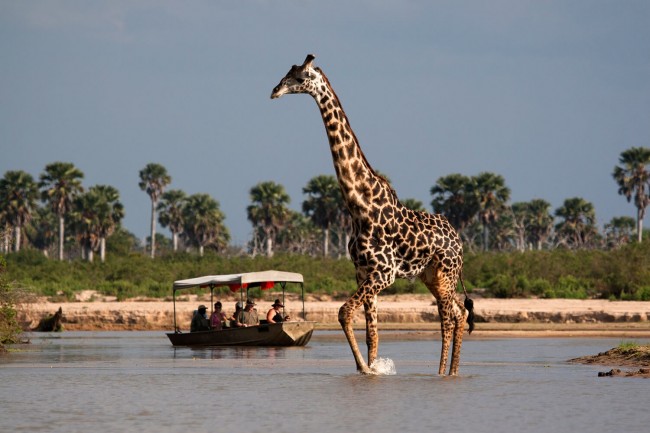
Nyerere National Park boat safari

Nyerere National Park Boat Safari Experiences | Rufiji River Guide

A Nyerere National Park boat safari offers a completely different way to experience Tanzania’s wildlife by exploring the Rufiji River, where visitors can observe hippos, crocodiles, elephants, and hundreds of bird species from the water. Most Tanzania safaris are experienced from a 4×4 vehicle. Travelers follow game tracks searching for: Lions on open plains. Elephants among woodland. Giraffes near acacia trees. But in southern Tanzania, the landscape offers another perspective. The Rufiji River creates a natural highway through one of Africa’s largest protected wilderness areas. A Nyerere National Park boat safari allows travelers to: Drift quietly along waterways. Watch hippos in their natural environment. Observe crocodiles along riverbanks. See elephants drinking at the water’s edge. Photograph birds from unique angles. Formerly part of the famous Selous Game Reserve, Nyerere National Park remains one of Tanzania’s most spectacular and wild destinations. Growing up in East Africa, our team understands that the best safari experiences are those that reveal nature from unexpected viewpoints. A Rufiji River boat safari does exactly that. Where Is Nyerere National Park Located? Nyerere National Park is located in southern Tanzania, covering a vast wilderness area south of Dar es Salaam and offering one of the most remote safari experiences in the country. The park forms part of the larger Selous ecosystem. Its location makes it ideal for travelers looking beyond the traditional northern safari circuit. Nyerere can be combined with: Zanzibar beach holidays. Mikumi National Park. Ruaha National Park. Dar es Salaam city experiences. The park is defined by: The Rufiji River. Lakes and channels. Open grasslands. Miombo woodlands. This diverse environment supports a remarkable range of wildlife. Why Choose a Nyerere National Park Boat Safari? A Nyerere National Park boat safari provides a rare wildlife experience because it allows visitors to explore Tanzania’s rivers and waterways while observing animals from a peaceful and low-impact perspective. A boat safari creates encounters that are impossible from a traditional vehicle. From the water, visitors can experience: Close Wildlife Viewing The Rufiji River attracts animals throughout the day. Common sightings include: Hippos. Crocodiles. Elephants. Waterbuck. Bushbuck. Unique Photography The river provides different viewpoints for: Reflections. Wildlife silhouettes. Bird photography. Sunset scenes. A Relaxed Safari Experience Instead of driving between locations, travelers can enjoy: Gentle river movement. Fresh air. Natural sounds. Scenic landscapes. Exploring the Rufiji River by Boat The Rufiji River is the heart of many Nyerere National Park boat safaris, providing access to channels, lagoons, and wildlife-rich areas throughout the park. The Rufiji is one of Tanzania’s most important rivers. It creates a unique ecosystem of: Islands. Sandbanks. Floodplains. Wetlands. Boat routes may explore areas where wildlife gathers, especially during warmer parts of the day. The river environment changes constantly. A single trip may reveal: Hippos emerging from water. Crocodiles resting on banks. Birds hunting. Elephants crossing shallow areas. Every journey offers different sightings. Meeting Hippos During a Rufiji River Safari Hippos are one of the main highlights of a Nyerere National Park boat safari, with the Rufiji River providing excellent opportunities to observe these powerful animals from a safe distance. Hippos spend much of their day in water, making boat safaris one of the best ways to see them. Visitors may observe: Groups resting in channels. Hippos surfacing. Territorial behaviour. Guides explain: Hippo behaviour. River ecology. Conservation efforts. Seeing these animals from the water provides a deeper understanding of their relationship with aquatic environments. Watching Crocodiles Along the Rufiji River The Rufiji River supports a healthy crocodile population, and a Nyerere National Park boat safari offers excellent opportunities to observe these ancient reptiles along riverbanks and sandbanks. Crocodiles often rest quietly along the edges of waterways. During a boat safari, visitors may spot: Crocodiles warming in the sun. Large individuals near river channels. Young crocodiles in protected areas. Experienced guides understand crocodile behaviour and help visitors appreciate these important predators within the river ecosystem. Bird Watching on a Nyerere National Park Boat Safari The waterways of Nyerere National Park make a boat safari especially rewarding for bird lovers, with opportunities to see colourful and water-dependent species along the Rufiji River. The park is home to many bird species. Common sightings may include: African fish eagles. Kingfishers. Herons. Egrets. Storks. Pelicans. The slower pace of a boat allows photographers and bird enthusiasts more time to observe behaviour. For wildlife photographers, the Rufiji River is one of southern Tanzania’s most rewarding environments. Combining Nyerere Boat Safari With a Tanzania Holiday A Nyerere National Park boat safari combines perfectly with southern Tanzania adventures, Zanzibar holidays, and luxury safari extensions. Popular combinations include: Zanzibar Beach Extension Relax on Indian Ocean beaches after your safari. Ruaha National Park Experience one of Tanzania’s best wilderness parks. Southern Tanzania Safari Circuit Combine: Nyerere. Ruaha. Mikumi. Our customized Tanzania journeys can include hidden destinations beyond the standard routes. Explore our Tanzania Explorer experience for broader safari inspiration. For northern and southern combinations, our Best of Northern Tanzania options can be customized. Planning a Nyerere National Park Boat Safari From the United States US travelers can include a Nyerere National Park boat safari by flying into Tanzania and connecting through Dar es Salaam before travelling into southern Tanzania. Common international routes connect through: Doha. Istanbul. Amsterdam. Nairobi. Travel preparation should include: Tanzania visa requirements. Travel insurance. Lightweight clothing. Sun protection. Camera equipment. Our Travel Information guide helps visitors prepare for their Tanzania safari. Best Time for a Nyerere National Park Boat Safari The best time for a Nyerere National Park boat safari is generally during the dry season from June to October when wildlife gathers around water sources and river conditions are ideal for viewing animals. However, each season offers a unique experience. The Rufiji River remains a major attraction throughout the year, but seasonal changes influence wildlife behaviour, landscapes, and accessibility. June to October: The Classic Dry Season This is the most popular period for southern Tanzania safaris. Advantages include: Animals gathering near permanent water. Clear skies. Comfortable temperatures. Excellent photography conditions. Easier road access….

Read More
Kondoa Irangi rock art
Cultural Experiences·

Kondoa Irangi Rock Art | UNESCO Site in Tanzania

Kondoa Irangi rock art is one of Tanzania’s most important archaeological treasures, preserving thousands of years of human history through ancient paintings found across natural rock shelters in the Rift Valley. This UNESCO World Heritage Site offers travelers a rare cultural experience far away from Tanzania’s busiest safari routes. Tanzania is famous worldwide for: Serengeti wildlife. Ngorongoro Crater. Mount Kilimanjaro. Zanzibar beaches. However, hidden away in central Tanzania is a destination that tells a much older story. The Kondoa Irangi rock art sites reveal the creativity, beliefs, and daily lives of communities that lived in this region thousands of years ago. Across the hills of Kondoa, ancient artists painted: Human figures. Animals. Hunting scenes. Symbolic images. Cultural ceremonies. These paintings provide a connection between modern travelers and the people who shaped Tanzania’s landscape long before today’s safari routes existed. Growing up in Arusha, our team understands that Tanzania’s greatest journeys are not only about wildlife. They are about discovering the history, cultures, and hidden places that make the country extraordinary. Where Are the Kondoa Irangi Rock Art Sites Located? The Kondoa Irangi rock art sites are located in central Tanzania, between the northern safari regions and Dodoma, making them a unique cultural extension for travelers exploring beyond the traditional routes. The sites are found in the Kondoa District of the Dodoma Region. The landscape features: Rocky hills. Natural shelters. Dry savannah. Rift Valley scenery. The location places Kondoa between several major Tanzanian travel areas. It can be combined with: Tarangire National Park. Manyara region. Dodoma. Cultural routes through central Tanzania. Unlike popular safari destinations, Kondoa offers a peaceful experience where visitors can explore ancient history without large crowds. Why Are Kondoa Irangi Rock Art Sites Important? Kondoa Irangi rock art is important because it preserves evidence of human activity, beliefs, and artistic traditions spanning thousands of years, making it one of Africa’s most significant collections of prehistoric and historic rock paintings. The paintings provide valuable information about earlier communities. Researchers study the artwork to understand: Human settlement patterns. Ancient traditions. Environmental changes. Cultural practices. The site demonstrates how people interacted with their surroundings over generations. The paintings are not simply decorations. They represent: Stories. Beliefs. Knowledge. Community identity. For travelers, visiting Kondoa is like opening a window into Tanzania’s distant past. The History Behind Kondoa Rock Paintings The Kondoa rock paintings represent multiple periods of human history, with some artwork believed to date back thousands of years and reflecting different communities that occupied the region over time. The exact age of individual paintings varies, but the collection demonstrates a long history of human creativity. The artwork reflects changing societies and environments. Ancient communities used natural rock shelters as places for: Expression. Communication. Cultural activities. Over generations, new paintings were added, creating layers of history across the landscape. This makes Kondoa unique because it is not a single moment in time. It is a visual record of human life across centuries. What Can Visitors See at Kondoa Irangi Rock Art? Visitors exploring Kondoa Irangi rock art can discover ancient paintings of humans, animals, symbols, and cultural scenes across dramatic rocky landscapes guided by local experts. A visit may include: Rock Shelters Natural caves and overhangs contain preserved paintings. Ancient Artwork Visitors can see: Animal figures. Human forms. Abstract symbols. Historical scenes. Scenic Landscapes The surrounding area offers: Mountain views. Savannah scenery. Rural Tanzania experiences. The combination of archaeology and landscape makes Kondoa a memorable cultural adventure. Why Kondoa Irangi Rock Art Is a Hidden Tanzania Experience Kondoa Irangi rock art remains overlooked because most visitors follow Tanzania’s famous northern safari circuit, making this UNESCO site an excellent choice for travelers seeking unique and less crowded experiences. Many international travelers never reach central Tanzania. Most itineraries focus on: Serengeti. Ngorongoro. Kilimanjaro. Kondoa offers something different. It appeals to travelers who want: Authentic Discovery Explore places outside common tourist routes. Cultural Understanding Learn about ancient communities and traditions. Quiet Exploration Enjoy a peaceful archaeological experience. For adventurous travelers, Kondoa represents Tanzania beyond the famous highlights. Combining Kondoa Irangi With a Tanzania Safari Kondoa Irangi rock art can be added to a wider Tanzania itinerary, especially for travelers interested in combining wildlife, culture, archaeology, and lesser-known destinations. Possible combinations include: Tarangire National Park Explore elephants, baobabs, and diverse wildlife. Ngorongoro Crater Discover one of Africa’s most spectacular wildlife areas. Serengeti National Park Experience iconic safari landscapes. Our Best of Northern Tanzania itinerary can be adapted for travelers seeking cultural extensions. For a broader journey, our Tanzania Explorer experience combines wildlife, landscapes, and cultural discoveries. Planning Kondoa Irangi Rock Art From the United States US travelers can include Kondoa Irangi rock art as part of a customized Tanzania adventure by combining flights into Tanzania with a private itinerary covering cultural and safari destinations. Most international travelers arrive through: Kilimanjaro International Airport. Julius Nyerere International Airport in Dar es Salaam. Common connections include: Doha. Amsterdam. Istanbul. Nairobi. Travelers should prepare with: Tanzania visa requirements. Comfortable walking shoes. Sun protection. Travel insurance. Our Travel Information guide provides preparation details for Tanzania journeys. Best Time to Visit Kondoa Irangi Rock Art The best time to visit Kondoa Irangi rock art is during Tanzania’s dry seasons when roads are easier to navigate and outdoor exploration of the rock shelters is more comfortable. However, each season offers a different perspective of this historic landscape. Because Kondoa is an outdoor archaeological destination, weather conditions influence the experience. June to October This is one of the most popular periods for exploring Tanzania. Advantages include: Dry and predictable weather. Easier access to remote sites. Comfortable hiking conditions. Clear views across the surrounding landscape. This period also works well for combining Kondoa with safari destinations. January to March The green season offers a different atmosphere. Visitors may enjoy: Fresh vegetation. Cooler mornings. Beautiful landscape photography. Fewer visitors. The surrounding hills can appear especially dramatic after rainfall. April to May The long rains bring changes to central Tanzania. Travelers may experience: Greener landscapes. Quiet…

Read More
Pemba Island

Pemba Island: Wall Diving, Ngezi Forest and Zanzibar’s Wilder Sister

Looking for an Indian Ocean destination that feels untouched by mass tourism? Pemba Island offers an extraordinary blend of dramatic underwater landscapes, ancient forests, rich Swahili culture, and tranquil beaches. Situated north of Unguja (commonly known as Zanzibar Island), Pemba Island is one of Tanzania’s best-kept secrets, attracting travellers who value authentic experiences over crowded resorts. For visitors from the United States, Pemba Island provides the perfect opportunity to combine luxury, adventure, and conservation in a single unforgettable journey. Many travellers include Pemba Island after exploring Tanzania’s iconic wildlife destinations. Pairing a safari through the Serengeti or Ngorongoro Crater with several days on Pemba Island creates a balanced itinerary featuring world-class game viewing and exceptional coastal relaxation. Explore Odysseys From Africa’s Tanzania safari destinations or browse expertly designed Tanzania safari packages before extending your adventure to Tanzania’s quieter islands. Why Visit Pemba Island? Pemba Island is renowned for spectacular wall diving, thriving coral reefs, lush clove plantations, and the protected Ngezi Forest Reserve. Unlike busier beach destinations, Pemba Island offers peaceful surroundings where visitors can enjoy nature, marine adventures, and cultural encounters without large crowds. Whether you are an experienced diver, a wildlife enthusiast, or simply looking for a secluded tropical retreat, Pemba Island delivers unforgettable experiences throughout the year. Before travelling, review the latest Tanzania travel information to prepare for visa requirements, health advice, and practical travel tips. What Makes Pemba the Island Unique? Several features make Pemba Island one of East Africa’s most rewarding island destinations: Spectacular wall diving with excellent underwater visibility. Healthy coral reefs supporting abundant marine life. The ancient Ngezi Forest Reserve, home to endemic wildlife. Historic Swahili communities and traditional fishing villages. Extensive clove plantations that have shaped the island’s history. Boutique eco-lodges and luxury beachfront accommodation. Quiet beaches offering privacy and relaxation. Travellers seeking a complete coastal experience often combine Pemba the Island with the Best of Zanzibar itinerary or enjoy a relaxing Short Zanzibar escape before returning home. Exploring Pemba Island‘s Marine Life and Wall Diving Pemba the Island has earned an international reputation for some of the finest wall diving in the Indian Ocean. Steep underwater drop-offs, colourful coral gardens, and nutrient-rich waters create exceptional conditions for divers of all experience levels. Around Pemba the Island, divers regularly encounter reef sharks, sea turtles, barracuda, moray eels, octopuses, groupers, colourful reef fish, and seasonal pelagic species. Excellent visibility and relatively uncrowded dive sites allow photographers to capture remarkable underwater scenes while enjoying a relaxed diving experience. Beyond diving, Pemba the Island also offers snorkelling, dhow cruises, kayaking, birdwatching, and guided walks through the protected Ngezi Forest Reserve. Guests interested in wildlife photography can also explore Odysseys From Africa’s Photographic Safaris to complement their coastal holiday with unforgettable wildlife encounters across mainland Tanzania. Frequently Asked Questions About Pemba Island Is Pemba the Island worth visiting? Yes. Pemba Island is one of Tanzania’s most rewarding destinations for travellers seeking unspoilt beaches, exceptional diving, lush forests, and authentic Swahili culture. Its peaceful atmosphere and limited tourism make it ideal for those looking for a quieter alternative to Zanzibar’s busier resorts. What is Pemba the Island famous for? Pemba Island is renowned for its dramatic wall diving, healthy coral reefs, fragrant clove plantations, and the protected Ngezi Forest Reserve. It is also known for sustainable tourism, boutique eco-lodges, and excellent opportunities for snorkelling, birdwatching, and cultural experiences. When is the best time to visit Pemba Island? Pemba Island can be visited throughout the year, with the dry seasons generally offering the best conditions for diving, snorkelling, and outdoor activities. Calm seas and excellent underwater visibility make these months particularly popular with divers and photographers. Can I combine Pemba Island with a Tanzania safari? Absolutely. Many travellers combine Pemba with a northern Tanzania wildlife adventure. Popular options include the Serengeti and Ngorongoro Safari or the Tanzania Explorer before relaxing on the island’s tranquil beaches. Is Pemba Island better than Zanzibar Island? The answer depends on your travel style. Pemba Island appeals to visitors seeking privacy, diving, and nature, while Zanzibar Island offers a wider range of resorts, nightlife, shopping, and historical attractions such as Stone Town. Many travellers choose to experience both islands during the same holiday. What wildlife can I see on Pemba Island? Visitors to Pemba can encounter colourful reef fish, sea turtles, dolphins, reef sharks, octopuses, and a variety of bird species. The island’s Ngezi Forest is also home to unique wildlife, including the endemic Pemba flying fox and other native forest species. Conclusion: Why Pemba Island Should Be on Your Tanzania Itinerary Pemba Island offers a rare opportunity to experience Tanzania’s Indian Ocean coastline at its most natural and unspoilt. From world-class wall diving and colourful coral reefs to the ancient Ngezi Forest and traditional Swahili villages, Pemba combines adventure, relaxation, and cultural discovery in one extraordinary destination. Whether you are a diver, nature enthusiast, photographer, or luxury traveller, the island provides memorable experiences far from the crowds. For the ultimate East African holiday, combine Pemba Island with a classic safari across the Serengeti, Ngorongoro Crater, or Tarangire before unwinding beside the Indian Ocean. Discover expertly designed Tanzania safari packages, explore inspiring Tanzania destinations, or review essential travel information to start planning your journey. With expert local guides, personalised itineraries, and a commitment to responsible tourism, Odysseys From Africa can help you experience the very best of Pemba Island alongside Tanzania’s iconic wildlife, spectacular landscapes, and rich cultural heritage. Request a Custom Safari Proposal or Plan Your Tanzania Safari Holiday Whether you want to discover the spectacular reefs of Island, explore the ancient Ngezi Forest, enjoy world-class wall diving, or combine your island escape with an unforgettable Tanzania safari, Odysseys From Africa will create a personalised itinerary tailored to your interests, schedule, and travel style. Location: Arusha, Tanzania Email: info@odysseys-from-africa.com Phone: +254 (0) 710 450 797 | +255 (0) 652 810 255 Website: https://odysseys-from-africa.com/

Read More
Mafia Island diving

Mafia Island Diving: Whale Sharks, Chole Bay and Reefs Without the Crowds

If you’re searching for an unforgettable underwater adventure in Tanzania, Mafia Island diving should be at the top of your travel list. Located south of Zanzibar in the Indian Ocean, Mafia Island is home to one of East Africa’s richest marine ecosystems, offering crystal-clear waters, thriving coral reefs, seasonal whale shark encounters, and far fewer visitors than other coastal destinations. For travellers from the United States seeking an exclusive marine escape, Mafia Island diving delivers exceptional biodiversity, personalised dive experiences, and sustainable tourism in a peaceful island setting. Many visitors combine Mafia Island diving with a classic northern Tanzania safari, creating the perfect bush-and-beach holiday. After exploring the Serengeti or Ngorongoro Crater, relaxing on Mafia Island allows you to discover another side of Tanzania through world-class diving and marine conservation. Browse Odysseys From Africa’s Tanzania safari destinations or explore expertly planned Tanzania safari packages before extending your journey to the Indian Ocean. Why Choose Mafia Island Diving? Mafia Island diving offers some of the healthiest coral reefs in the Western Indian Ocean, outstanding underwater visibility, and access to the protected Mafia Island Marine Park. Unlike busier destinations, Mafia Island diving provides smaller dive groups, uncrowded reefs, and a relaxed atmosphere that appeals to both experienced divers and first-time visitors. Whether you’re exploring colourful coral gardens in Chole Bay or searching for whale sharks during the migration season, Mafia Island diving combines adventure with conservation. Before travelling, review the latest Tanzania travel information to prepare for visa requirements, health advice, packing recommendations, and arrival procedures. What Makes Mafia Island Diving Unique? Several factors make Mafia Island diving one of Tanzania’s premier underwater experiences: Protected reefs within Mafia Island Marine Park. Seasonal whale shark encounters from October to February. Exceptional coral biodiversity with hundreds of reef fish species. Calm conditions suitable for beginner and advanced divers. Small-group diving led by experienced marine guides. Sustainable tourism that supports local conservation initiatives. Easy combination with a mainland wildlife safari. Travellers looking to experience both Tanzania’s wildlife and coastline often pair Mafia Island diving with the Best of Northern Tanzania Safari before relaxing by the Indian Ocean. Mafia Island Diving in Chole Bay Mafia Island diving is best known for the spectacular reefs of Chole Bay, one of East Africa’s most diverse marine environments. Protected by the Mafia Island Marine Park, these reefs are home to colourful hard and soft corals, turtles, moray eels, reef sharks, octopuses, rays, and hundreds of tropical fish species. The calm, sheltered waters make Island diving suitable for photographers, beginner divers, and experienced enthusiasts alike. Visibility often exceeds 20 metres during favourable conditions, allowing divers to appreciate the remarkable health of the reef ecosystem. Marine conservation regulations have helped preserve these underwater habitats, making Mafia Island diving one of the most rewarding experiences on Tanzania’s coastline. Many guests continue their coastal holiday with the Best of Zanzibar itinerary or enjoy a relaxing Short Zanzibar escape after completing their diving adventure. Travellers interested in wildlife photography can also discover Odysseys From Africa’s Photographic Safaris to capture Tanzania’s extraordinary landscapes and wildlife above and below the water. Frequently Asked Questions About Mafia Island Diving Is Mafia Island diving suitable for beginners? Yes. Island diving caters to both beginners and experienced divers. Several dive centres offer introductory dives, certification courses, and guided excursions in the calm waters of Chole Bay, making it an excellent destination for those new to scuba diving. When is the best time for Mafia Island diving? Mafia Island diving is rewarding throughout much of the year, but many visitors plan their trips between October and February to combine spectacular reef diving with seasonal whale shark encounters. Weather, water clarity, and marine life vary slightly by season, allowing excellent diving opportunities year-round. Can I combine Mafia Island diving with a Tanzania safari? Absolutely. Many travellers enjoy a classic northern circuit safari before heading to the coast. Popular itineraries combine the Serengeti and Ngorongoro Safari or the Tanzania Explorer with several relaxing days of Mafia Island diving. What marine life can I expect during Mafia Island diving? Divers regularly encounter colourful coral reefs, sea turtles, reef sharks, rays, octopuses, moray eels, dolphins, and hundreds of tropical fish species. During whale shark season, Mafia Island also provides opportunities to observe the world’s largest fish in their natural habitat. Do I need to be PADI certified for Mafia Island diving? Certified divers can access a wider variety of dive sites, but beginners can participate through Discover Scuba Diving programmes or complete certification courses on the island with qualified instructors. Is Mafia Island diving better than Zanzibar diving? Both destinations offer exceptional marine experiences. However, Mafia Island diving is generally preferred by divers seeking healthier coral reefs, fewer crowds, protected marine environments, and more intimate diving experiences, while Zanzibar offers a wider selection of beach resorts and cultural attractions. Conclusion: Why Mafia Island Diving Should Be on Your Tanzania Itinerary Mafia Island diving offers an extraordinary combination of vibrant coral reefs, seasonal whale sharks, crystal-clear waters, and peaceful island surroundings that remain largely untouched by mass tourism. Whether you are an experienced diver searching for pristine underwater ecosystems or a first-time visitor eager to explore Tanzania’s marine biodiversity, Island diving delivers unforgettable experiences in one of East Africa’s finest marine parks. For the ultimate Tanzania holiday, combine Mafia Island with a wildlife safari across the Serengeti, Ngorongoro Crater, or Tarangire before unwinding on the island’s tranquil coastline. Explore Odysseys From Africa’s Tanzania safari packages, browse inspiring Tanzania destinations, or review essential travel information to begin planning your personalised journey. With expert local knowledge, carefully designed itineraries, and a commitment to responsible tourism, Odysseys From Africa can create a seamless adventure that combines world-class wildlife viewing with exceptional Island diving, giving you the very best of Tanzania both above and below the water. Request a Custom Safari Proposal or Plan Your Tanzania Safari Holiday Whether you want to experience Mafia Island diving, swim alongside whale sharks, discover the spectacular reefs of Chole Bay, or combine…

Read More
Chumbe Island Coral Park
Zanzibar Travel·

Chumbe Island Coral Park: Zanzibar’s Protected Reef and Eco Retreat

If you’re looking for an exclusive island escape that combines marine conservation, eco-luxury, and unforgettable underwater experiences, Chumbe Island Coral Park deserves a place on your Tanzania itinerary. Located just off the southwest coast of Zanzibar, Chumbe Island Coral Park is a privately managed marine reserve renowned for its pristine coral reefs, protected coral rag forest, and award-winning eco-lodge. Whether you’re planning a standalone beach retreat or adding a few relaxing days after a Serengeti safari, Chumbe Island Coral Park offers a rare opportunity to experience one of East Africa’s most successful conservation projects. Many travellers combine their island stay with one of Odysseys From Africa’s Tanzania safari destinations or explore the company’s carefully curated Tanzania safari packages before unwinding on Zanzibar’s beautiful coastline. Unlike many tropical destinations, Chumbe Island Coral Park limits visitor numbers to protect its fragile ecosystem. This creates an intimate experience where guests enjoy uncrowded beaches, guided nature walks, exceptional snorkelling, and sustainable accommodation while directly supporting marine conservation. For travellers from the United States seeking authentic, environmentally responsible luxury, the island perfectly balances comfort with purpose. Before travelling, visitors can also review essential Tanzania travel information to prepare for visas, health requirements, packing tips, and arrival procedures. Why Visit Chumbe Island Coral Park? Chumbe Island Coral Park is one of the most remarkable eco-tourism destinations in Tanzania, combining a protected marine sanctuary with environmentally friendly accommodation. Visitors enjoy world-class snorkelling, exceptional biodiversity, and an exclusive island atmosphere while contributing to long-term conservation efforts. Unlike many beach resorts in Zanzibar, Chumbe Island Coral Park focuses on preserving nature rather than mass tourism. The protected reef has remained largely untouched for decades, allowing coral gardens, reef fish, sea turtles, and countless marine species to flourish in crystal-clear waters. Many visitors pair their stay with the Best of Zanzibar tour for an unforgettable blend of beaches, culture, and marine exploration. What Makes Chumbe Island Coral Park Unique? Several features distinguish Chumbe Island Coral Park from other Indian Ocean destinations: A fully protected no-take marine reserve. One of the healthiest coral reefs in the Zanzibar Archipelago. Eco-bungalows designed using sustainable architecture. Strict visitor limits for a peaceful, exclusive experience. Guided reef snorkelling with experienced conservation rangers. A protected coral rag forest that shelters rare birds, coconut crabs, and the endangered Ader’s duiker. Environmental education programmes supporting local communities and schools. Travellers looking for a shorter coastal extension often combine Chumbe Island Coral Park with the Short Zanzibar itinerary after exploring Tanzania’s iconic national parks. Chumbe Island Coral Park Marine Reserve and Coral Reef Conservation Chumbe Island Coral Park protects one of the most biologically diverse coral reef ecosystems in East Africa. The island’s carefully managed conservation model demonstrates how responsible tourism can safeguard marine biodiversity while providing exceptional visitor experiences. Established as a private marine protected area, Chumbe Island Coral Park has become an international example of successful reef conservation. Fishing, anchoring, and coral collection are prohibited within the reserve, allowing delicate reef habitats to recover naturally. Many guests visit Chumbe Island Coral Park after experiencing the Serengeti and Ngorongoro Safari or the Best of Northern Tanzania Safari, creating the perfect bush-and-beach holiday. Today, visitors can snorkel above vibrant coral formations inhabited by hundreds of colourful reef fish, giant clams, octopuses, rays, and seasonal sea turtles. Excellent underwater visibility throughout much of the year makes Chumbe Island Coral Park one of Zanzibar’s premier snorkelling destinations for both beginners and experienced marine enthusiasts. Beyond the reef, conservation efforts extend into the island’s coral rag forest, where guided walks introduce visitors to native plant species, reptiles, birds, and other wildlife rarely encountered elsewhere in Zanzibar. Guests interested in specialist wildlife experiences can also explore Odysseys From Africa’s Photographic Safaris to capture Tanzania’s extraordinary biodiversity both on land and beneath the sea. Conclusion: Why Chumbe Island Coral Park Belongs on Your Tanzania Itinerary Chumbe Island Coral Park is far more than a beautiful island getaway—it is a world-class example of how conservation and responsible tourism can work together. From its thriving coral reefs and protected coral rag forest to its eco-friendly accommodation and limited visitor numbers, Chumbe Island Coral Park offers an experience that is both exclusive and meaningful. Whether you are snorkelling above vibrant marine life, learning about Zanzibar’s unique ecosystems, or simply relaxing in a peaceful natural setting, every visit supports the long-term protection of one of East Africa’s most valuable marine reserves. For many travellers, Chumbe Island Coral Park is the perfect complement to a classic Tanzania safari. After exploring the wildlife-rich plains of the Serengeti or the spectacular Ngorongoro Crater, spending a few days on this protected island provides the ideal balance of adventure, relaxation, and sustainable luxury. Consider pairing your visit with the Serengeti and Ngorongoro Safari, the Best of Northern Tanzania Safari, or the Best of Zanzibar itinerary for a seamless bush-and-beach holiday. If you are still comparing destinations, browse the complete range of Tanzania safari destinations, discover expertly crafted safari packages, or review the latest travel information before planning your journey. The experienced local team at Odysseys From Africa can create a personalised itinerary that combines wildlife, culture, and Zanzibar’s finest coastal experiences—including an unforgettable stay at Chumbe Island Coral Park. Request a Custom Safari Proposal or Plan Your Tanzania Safari Holiday Whether you dream of witnessing the Great Migration, exploring the Ngorongoro Crater, relaxing on Zanzibar’s pristine beaches, or experiencing the remarkable Chumbe Island Coral Park, Odysseys From Africa will design a safari tailored to your interests, travel style, and schedule. Location: Arusha, Tanzania Email: info@odysseys-from-africa.com Phone: +254 (0) 710 450 797 | +255 (0) 652 810 255 Website: https://odysseys-from-africa.com/

Read More
Gombe Stream chimpanzee trekking
Luxury Safari Travel·

Gombe Stream Chimpanzee Trekking: Following the Families Jane Goodall Studied

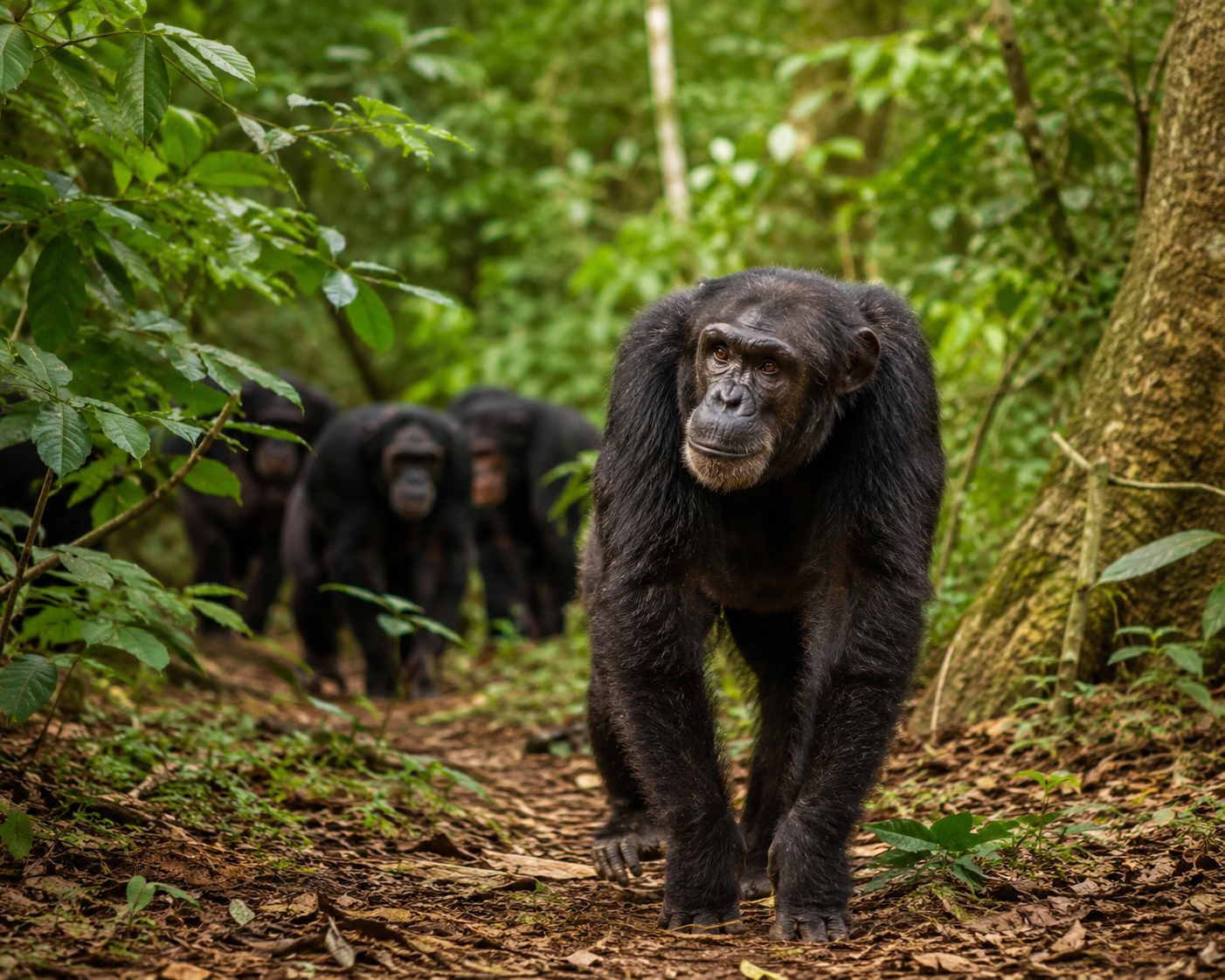
A Gombe Stream chimpanzee trekking experience takes travelers into one of Tanzania’s most legendary wilderness areas, where wild chimpanzee communities continue to live in the forests studied by the world-famous primatologist Jane Goodall. For US travelers seeking a unique Tanzania safari holiday beyond traditional game drives, Gombe offers an intimate encounter with our closest wildlife relatives. Located along the shores of Lake Tanganyika in western Tanzania, Gombe Stream National Park combines rainforest landscapes, fascinating chimpanzee behavior, and decades of conservation history. Unlike a traditional Big Five safari Tanzania experience, this journey focuses on primates, forest ecosystems, and the remarkable relationships between researchers, local communities, and wildlife. A Gombe Stream chimpanzee trekking adventure is ideal for travelers who value authentic experiences, conservation-focused tourism, and rare opportunities to observe habituated chimpanzee families in their natural environment. Gombe Stream Chimpanzee Trekking: Tanzania’s Legendary Primate Adventure Gombe Stream chimpanzee trekking is one of Tanzania’s most unique wildlife experiences, allowing visitors to walk through rainforest trails and observe habituated chimpanzee communities in the same forests where Jane Goodall conducted groundbreaking research. Unlike traditional safari experiences focused on large mammals, Gombe offers an immersive primate adventure centered around behavior, intelligence, and conservation. Many travelers visit Tanzania dreaming of seeing lions in the Serengeti or elephants near the Ngorongoro Crater. However, western Tanzania offers another extraordinary wildlife experience that reveals a different side of Africa. Gombe Stream National Park is one of Tanzania’s smallest national parks, covering approximately 35 square kilometers. Despite its size, its global importance is enormous because of the long-term chimpanzee research conducted there. A Gombe Stream chimpanzee trekking journey allows visitors to: Walk through ancient forests Track wild chimpanzee groups Observe social interactions Learn about conservation efforts Experience the beauty of Lake Tanganyika For travelers searching for an exclusive African safari experience, Gombe provides something rare: a personal connection with wildlife behavior rather than only wildlife sightings. Gombe Stream Chimpanzee Trekking: The Legacy of Jane Goodall’s Research Gombe Stream chimpanzee trekking is internationally recognized because Jane Goodall’s pioneering research began here in 1960, transforming global understanding of chimpanzee behavior and conservation. The park remains one of the most important places in the world for studying wild chimpanzees and continues to inspire travelers interested in science, nature, and responsible tourism. When Jane Goodall arrived at Gombe Stream in 1960, she began observing chimpanzees in their natural habitat. Her research revealed remarkable discoveries about chimpanzee intelligence, social structures, tool use, and relationships. Today, visitors can walk through the same forest environment where decades of scientific research took place. The importance of Gombe extends beyond tourism. The park represents: Wildlife conservation Long-term scientific research Protection of endangered species Community involvement Environmental education For many travelers, visiting Gombe is not simply about seeing chimpanzees. It is about understanding the importance of protecting wildlife habitats for future generations. What Makes Gombe Stream Different From Other Tanzania Safari Destinations? A Gombe Stream chimpanzee trekking adventure differs significantly from popular northern Tanzania safari routes. The Serengeti is famous for: The Great Migration Large predator populations Open savannah landscapes Ngorongoro Crater is known for: Dense wildlife populations Dramatic scenery Big Five sightings Gombe offers: Tropical rainforest trekking Chimpanzee encounters Primates and birdlife Lake Tanganyika scenery A conservation-focused experience This makes Gombe an excellent addition to a wider Tanzania travel package for travelers who want more than a standard safari. Why Choose Gombe Stream Chimpanzee Trekking for Your Tanzania Safari Holiday? Gombe Stream chimpanzee trekking is perfect for travelers who want a deeper connection with Tanzania’s wildlife through walking safaris, primate encounters, and conservation-based tourism. The experience combines adventure, education, and nature in a way that complements classic Serengeti safari tours and luxury safari itineraries. A Tanzania safari holiday does not have to follow only one route. Many experienced travelers are now looking beyond famous parks to discover destinations with unique stories. Gombe appeals to: Wildlife Enthusiasts Travelers fascinated by animal behavior will find Gombe completely different from a traditional game drive. Chimpanzees display: Complex communication Family relationships Social learning Individual personalities Watching these behaviors in the wild creates a memorable experience. Conservation-Minded Travelers Many luxury travelers today want their journeys to have meaning beyond sightseeing. A visit to Gombe supports: Protected habitats Conservation programs Local employment Scientific research The park demonstrates how responsible tourism can contribute to protecting endangered species. Photographers Seeking Unique Stories A photographic safari in Gombe is different from photographing lions or elephants. Chimpanzee trekking photography focuses on: Expressions Social interactions Forest environments Human-like behaviors Because chimpanzees move through dense forest, photographers benefit from patience and careful observation. Travelers interested in specialized wildlife photography can also explore photographic safari experiences in Tanzania when planning their itinerary. Gombe Stream Chimpanzee Trekking: Meeting Habituated Chimpanzee Families The highlight of Gombe Stream chimpanzee trekking is meeting habituated chimpanzee families that have become accustomed to human observers through decades of careful research and conservation. These encounters provide rare opportunities to observe natural chimpanzee behavior while maintaining strict wildlife protection guidelines. Gombe’s chimpanzee communities are known individually by researchers and guides. Visitors may learn about: Family groups Dominant individuals Social relationships Daily routines Unlike a zoo or wildlife sanctuary, these chimpanzees remain wild animals living freely in their natural habitat. How Chimpanzee Trekking Works in Gombe A typical Gombe Stream chimpanzee trekking experience begins early in the morning. The process usually includes: Briefing Before the Trek Guides explain: Safety rules Forest conditions Chimpanzee behavior Responsible viewing practices Walking Through the Forest Experienced guides track chimpanzee movements using knowledge developed from years of observation. The trek may involve: Forest paths Uneven terrain Slopes Humid conditions Observing the Chimpanzees Once a group is located, visitors spend time quietly observing their behavior. The focus is on: Watching natural interactions Understanding social structures Appreciating conservation efforts Gombe Stream Chimpanzee Trekking: The Forest, Wildlife, and Lake Tanganyika Setting Gombe Stream chimpanzee trekking combines rainforest exploration with spectacular views of Lake Tanganyika, creating one of Tanzania’s most scenic wildlife experiences. The combination of forest, mountains, and freshwater landscapes…

Read More