Wild Adventures, Timeless Memories…

Odysseys From Africa

Safari Blog

Guides, itineraries and field notes from our safari specialists in Arusha — everything you need to plan your Tanzania and Kenya adventure.

Katavi National Park safari
Luxury Safari Travel·

Katavi National Park Safari: Tanzania’s Emptiest Park and Its Dry-Season Hippo Crush

A Katavi National Park safari offers one of Tanzania’s most authentic wilderness experiences, taking travelers far beyond the country’s famous northern circuit into a remote landscape where wildlife thrives with very few visitors. For US travelers seeking a true African safari experience, Katavi delivers untouched scenery, massive buffalo herds, dramatic predator encounters, and legendary dry-season hippo gatherings. Unlike the busy wildlife areas of East Africa, Katavi National Park feels like a private wilderness. Located in western Tanzania, this hidden gem rewards adventurous travelers with incredible game viewing, expert-guided drives, and a sense of discovery that is increasingly rare. A Katavi National Park safari is ideal for travelers who want exclusivity, photography opportunities, and a deeper connection with Tanzania’s wild landscapes. Odysseys From Africa creates tailor-made Tanzania safari holidays that combine remote destinations like Katavi with iconic experiences across Tanzania, including the Serengeti, Ngorongoro Crater, and Zanzibar. Katavi National Park Safari: Why Tanzania’s Emptiest Park Is Worth Visiting A Katavi National Park safari is one of Tanzania’s most exclusive wildlife experiences because the park receives very few visitors while protecting enormous concentrations of wildlife. During the dry season, shrinking water sources create spectacular wildlife gatherings, especially around the famous hippo pools. Travelers choosing Katavi are looking for untouched wilderness, exceptional game viewing, and a safari experience that feels completely different from more popular destinations like Serengeti and Ngorongoro. For many international travelers, Tanzania is associated with famous destinations such as: Serengeti National Park Ngorongoro Crater Tarangire National Park Zanzibar However, western Tanzania offers a completely different perspective. Katavi National Park covers approximately 4,471 square kilometers of protected wilderness and remains one of the least visited national parks in the country. Its remote location means fewer vehicles, quieter game drives, and a more personal connection with nature. A Katavi National Park safari appeals especially to travelers who have already experienced popular safari destinations or those planning a once-in-a-lifetime luxury safari adventure. Unlike destinations where wildlife sightings may involve several vehicles, Katavi often provides the feeling of having an entire ecosystem to yourself. Katavi National Park Safari: Exploring Tanzania’s Remote Western Wilderness A Katavi National Park safari takes travelers into western Tanzania, where vast plains, seasonal rivers, and untouched habitats create some of the country’s most dramatic wildlife scenes. The park’s isolation is its greatest attraction, offering visitors an authentic safari experience with fewer crowds and exceptional opportunities for wildlife photography. Katavi is located in the remote western region of Tanzania, near Lake Tanganyika. Reaching the park requires more planning than visiting northern Tanzania destinations, but the journey creates part of the adventure. Travelers who visit Katavi are rewarded with: Open floodplains Miombo woodland landscapes Seasonal rivers Large wildlife populations Traditional safari camps The park’s remoteness means it attracts travelers who value quality over quantity. Instead of checking off a list of attractions, visitors experience the rhythm of the wilderness. A typical day on a Katavi National Park safari begins early, with morning game drives when temperatures are cooler and wildlife is most active. Afternoons often include relaxation at camp before returning to explore the park during the golden evening hours. Katavi National Park Safari: The Famous Dry-Season Hippo Crush The dry season is when a Katavi National Park safari becomes especially spectacular, as wildlife gathers around the remaining water sources. The famous hippo pools can hold hundreds of hippos competing for space in shrinking rivers. This seasonal concentration creates one of Tanzania’s most impressive wildlife spectacles, offering photographers and safari enthusiasts unforgettable scenes rarely experienced elsewhere. During the dry months, Katavi’s landscape transforms dramatically. Water becomes the most valuable resource, and animals gather around: Chada River Katuma River Remaining seasonal pools The most famous attraction is the hippo congregation at Katavi’s pools. As water levels decrease, large numbers of hippos gather together in crowded pools. Visitors may witness: Hundreds of hippos resting in shallow water Territorial displays between males Birds feeding around the pools Crocodiles waiting nearby This natural drama represents the raw survival cycle of Africa’s wilderness. For photographers, the dry season provides excellent opportunities because wildlife becomes easier to locate and the open landscapes create beautiful lighting conditions. Why the Dry Season Is the Best Time for a Katavi National Park Safari The dry season generally runs from June to October and is considered the best period for wildlife viewing. During this time: Wildlife Concentrates Around Water As temporary water sources disappear, animals gather near permanent rivers and pools. This increases chances of seeing: Elephants Buffalo Lions Hippos Crocodiles Antelope species Roads Become Easier for Game Drives Dry conditions improve accessibility, allowing guides to explore more areas of the park. Photography Conditions Improve Clear skies, dramatic landscapes, and predictable animal movement make this period excellent for a photographic safari. Travelers interested in specialized wildlife photography can combine Katavi with dedicated photographic safari experiences in Tanzania. Katavi National Park Safari: Wildlife Encounters Beyond the Hippo Pools A Katavi National Park safari offers much more than hippo sightings. The park is home to impressive populations of elephants, buffalo, lions, giraffes, and other African wildlife species. Because visitor numbers are low, wildlife encounters in Katavi often feel private and unpredictable, making every game drive unique. Katavi is famous for its large animal populations, particularly during the dry season. Buffalo Herds in Katavi One of Katavi’s most impressive sights is its enormous buffalo herds. Thousands of buffalo can gather across the plains, creating one of Tanzania’s most dramatic wildlife scenes. Large buffalo concentrations attract predators, especially: Lions Hyenas Wild dogs The relationship between predators and prey creates exciting game-viewing opportunities. Elephants in Katavi National Park Elephants are another highlight of a Katavi National Park safari. The park’s remote environment allows elephants to move naturally across large areas. Visitors may encounter elephants: Walking through woodland Gathering near rivers Crossing open plains Because there are fewer vehicles, these encounters often feel peaceful and undisturbed. Predators and Big Cats Katavi supports healthy predator populations, including: Lions Leopards Spotted hyenas African wild dogs Although sightings are less…

Read More
Zanzibar vs Mafia vs Pemba
Luxury Safari Travel·

Zanzibar vs Mafia vs Pemba: Choosing the Right Island After Your Safari

A Tanzania safari holiday is more than a wildlife adventure; it is an opportunity to experience the full diversity of Tanzania, from the endless plains of the Serengeti to the turquoise waters of the Indian Ocean. For many US travelers, the perfect African journey combines thrilling game drives with a relaxing island escape. The biggest question after safari is often: Zanzibar vs Mafia vs Pemba — which island is the right choice? Each destination offers a unique coastal experience. Zanzibar delivers luxury resorts, rich Swahili culture, and iconic beaches. Mafia Island provides untouched marine ecosystems and world-class diving. Pemba Island offers remote beauty, privacy, and exclusive island experiences. With local Tanzanian expertise, Odysseys From Africa helps travelers design the ideal safari and beach combination based on their interests, travel style, and expectations. Zanzibar vs Mafia vs Pemba: Which Island Is Best After a Tanzania Safari Holiday? Zanzibar vs Mafia vs Pemba depends on what type of island experience you want after your Tanzania safari holiday. Zanzibar is best for culture and luxury beaches, Mafia is ideal for marine adventures, and Pemba offers a secluded escape for travelers seeking exclusivity. The best island choice combines your safari goals, available travel time, budget, and preferred activities, creating a seamless transition from wildlife encounters to Indian Ocean relaxation. After exploring Tanzania’s famous wildlife regions, many travelers continue their journey toward the coast. A safari extension allows visitors to experience two completely different sides of the country: The dramatic landscapes of northern Tanzania The wildlife-rich plains of the Serengeti The volcanic beauty of the Ngorongoro Crater The tropical islands of the Indian Ocean A carefully planned safari and island itinerary creates a balanced vacation where adventure and relaxation complement each other. For travelers beginning with iconic wildlife destinations, options such as the Serengeti and Ngorongoro safari experience provide the perfect foundation before adding an island escape. Zanzibar vs Mafia vs Pemba: Quick Comparison of Tanzania’s Island Destinations Zanzibar vs Mafia vs Pemba can be compared through accessibility, atmosphere, activities, and luxury level. Zanzibar offers the widest range of experiences, Mafia focuses on conservation and marine life, while Pemba provides a more private and untouched environment. For US travelers planning a safari from USA to Tanzania, choosing the right island depends on whether they prefer convenience, adventure, or exclusivity. Feature Zanzibar Mafia Island Pemba Island Best For Luxury holidays, couples, families Diving, marine life, nature lovers Privacy, luxury, adventure Atmosphere Vibrant and cultural Quiet and authentic Remote and exclusive Beaches Excellent white-sand beaches Peaceful tropical beaches Untouched coastal scenery Diving Good Exceptional World-class Culture Strong Swahili heritage Traditional island lifestyle Authentic local communities Tourism Level High Low Very low Accessibility Easiest Moderate More limited Luxury Options Many choices Boutique lodges Exclusive retreats The important difference in the Zanzibar vs Mafia vs Pemba decision is not simply which island has the most beautiful beaches. All three destinations offer stunning coastlines. The real difference is the type of traveler experience they create. Zanzibar vs Mafia vs Pemba: Understanding Zanzibar as a Safari Beach Extension Zanzibar is the most popular choice in the Zanzibar vs Mafia vs Pemba comparison because it combines luxury accommodation, cultural attractions, beautiful beaches, and easy connections after a safari. Travelers choosing Zanzibar after a Tanzania safari holiday usually want comfort, variety, and a classic East African beach experience without sacrificing cultural discovery. Zanzibar has become one of Africa’s most recognized island destinations because it offers something for almost every traveler. After several days tracking wildlife, many visitors appreciate Zanzibar’s combination of: Relaxing beachfront resorts Warm tropical waters Historic towns Seafood experiences Spice plantations Water activities Why Zanzibar Is Popular With US Travelers For travelers arriving from the United States, Zanzibar is often the easiest island extension because of its tourism infrastructure. Many safari itineraries naturally connect: United States → Tanzania safari → Zanzibar → United States The island works particularly well for: Honeymoon Safari Extensions Couples often combine a luxury safari with Zanzibar because the experiences complement each other. A typical honeymoon itinerary may include: Morning wildlife drives Private lodge dinners Scenic flights over Tanzania Beachfront villas Sunset cruises Family Safari Holidays Families appreciate Zanzibar because it offers activities beyond the beach. Children and adults can enjoy: Snorkeling trips Cultural tours Dolphin excursions Nature walks Historical sightseeing First-Time Africa Visitors For travelers visiting Tanzania for the first time, Zanzibar provides a comfortable introduction to coastal East Africa. The island offers reliable services, excellent accommodation options, and many activities that require minimal planning. Zanzibar vs Mafia vs Pemba: Exploring Zanzibar’s Beaches and Culture Within the Zanzibar vs Mafia vs Pemba comparison, Zanzibar stands out for combining beach relaxation with cultural experiences. It is the strongest choice for travelers who want more than just a tropical escape. Zanzibar allows visitors to experience Swahili heritage, historic architecture, local traditions, and luxury coastal living in one destination. Stone Town: The Cultural Heart of Zanzibar Stone Town represents centuries of African, Arab, Indian, and European influences. Visitors can explore: Traditional carved wooden doors Historic buildings Local markets Waterfront areas Swahili cuisine The cultural experience makes Zanzibar different from many traditional beach destinations. Luxury Accommodation in Zanzibar Zanzibar offers the widest accommodation selection among the three islands. Travelers can choose from: Luxury beachfront resorts Boutique hotels Private villas Eco-friendly lodges This variety makes Zanzibar suitable for different budgets while still providing premium experiences. Travelers looking for a combination of safari and island relaxation can explore Best of Zanzibar safari extensions when planning their Tanzania itinerary. Zanzibar vs Mafia vs Pemba: Why Mafia Island Offers a Different Experience Mafia Island changes the Zanzibar vs Mafia vs Pemba decision by offering a quieter, conservation-focused marine escape with fewer visitors and exceptional underwater experiences. Mafia is the preferred choice for travelers who value nature, diving, snorkeling, and authentic island life over busy resorts and nightlife. Located south of Zanzibar, Mafia Island remains one of Tanzania’s most peaceful coastal destinations. Unlike Zanzibar, Mafia has maintained a slower pace of tourism development. The…

Read More
Mto wa Mbu cultural tour
Cultural Experiences·

Mto wa Mbu Cultural Tour | Northern Circuit Stop

A Mto wa Mbu cultural tour offers an authentic introduction to Tanzania’s diverse communities through local markets, farms, traditional food, crafts, and encounters with people from more than 120 ethnic groups. Located near Lake Manyara on the Northern Safari Circuit, it is one of the best cultural stops between Arusha and the Serengeti. Many travelers pass through Mto wa Mbu on their way to Tanzania’s famous wildlife destinations. They drive toward: Serengeti National Park. Ngorongoro Crater. Tarangire National Park. But hidden within this small town is one of northern Tanzania’s richest cultural experiences. The Mto wa Mbu cultural tour reveals a community where different traditions, languages, and lifestyles come together. The town is famous for: Diverse ethnic communities. Fertile agricultural land. Banana plantations. Rice paddies. Traditional crafts. Vibrant local markets. Growing up in Arusha, our team understands that Tanzania is not only about wildlife. The people, food, farming, and traditions create the complete story of this remarkable country. Where Is Mto wa Mbu Located? Mto wa Mbu is located in northern Tanzania near Lake Manyara National Park, making it an ideal cultural stop before continuing to Ngorongoro Crater and Serengeti National Park. The town sits along the main safari route connecting Arusha with the Northern Circuit. Its strategic location makes it easy to combine with: Lake Manyara safari. Ngorongoro Crater. Serengeti. Tarangire. The name “Mto wa Mbu” means “River of Mosquitoes” in Swahili, referring to the waterways that support the area’s rich agriculture. Unlike many dry areas of northern Tanzania, Mto wa Mbu benefits from fertile soils and reliable water sources. This has allowed farming communities to thrive for generations. Why Is Mto wa Mbu Known as the Village of 120 Tribes? Mto wa Mbu is famous for its cultural diversity because people from more than 120 Tanzanian ethnic groups live and work in the area, creating a unique blend of traditions, languages, and cuisines. Tanzania is one of Africa’s most culturally diverse countries. Mto wa Mbu represents this diversity on a local scale. Communities in the area include people from different backgrounds who have brought their own: Farming methods. Foods. Languages. Artistic traditions. Cultural practices. This diversity is visible throughout the town. A visitor may experience: Different cooking styles. Various craft traditions. Multiple languages. Unique farming techniques. The result is a destination where Tanzania’s cultural richness can be experienced in a single afternoon. What Happens During a Mto wa Mbu Cultural Tour? A Mto wa Mbu cultural tour usually includes guided walks through farms, markets, workshops, and local homes where visitors learn about agriculture, crafts, food, and everyday community life. A typical experience may include: Village Walking Tour Explore local streets while learning about: Community life. History. Traditions. Local businesses. Farming Visits Discover how residents grow: Bananas. Rice. Vegetables. Other crops. Local Market Visit Experience the colors, sounds, and flavors of a Tanzanian market. Craft Workshops Meet artisans producing: Wood carvings. Paintings. Handmade items. Traditional crafts. Every visit is different because the experience is shaped by local guides and community members. Exploring Banana Plantations and Traditional Farming Banana farming is one of Mto wa Mbu’s most important agricultural traditions, and cultural tours provide insight into how bananas support local food systems and livelihoods. The green banana plantations around Mto wa Mbu create a striking contrast against the surrounding Rift Valley landscape. Visitors can learn about: Banana cultivation. Traditional farming methods. Local food preparation. Agricultural challenges. Bananas are used for: Cooking. Selling at markets. Traditional drinks. Community celebrations. One of the most interesting parts of the experience is understanding how farming connects families, culture, and the local economy. The Famous Banana Beer Experience The banana beer experience is a highlight of many Mto wa Mbu cultural tours, allowing visitors to learn about a traditional drink made from locally grown bananas using community methods passed through generations. Traditional banana beverages are part of the cultural identity of some communities in the region. A guided experience may explain: How bananas are selected. Traditional preparation methods. The role of local drinks in social gatherings. The experience is about more than tasting a drink. It provides insight into: Community traditions. Local agriculture. Generational knowledge. Visitors should always approach cultural experiences respectfully and follow local guidance. Rice Paddies and the Agricultural Landscape The rice fields around Mto wa Mbu demonstrate how irrigation and fertile Rift Valley soils allow farmers to produce crops in an otherwise dry northern Tanzania environment. The landscape around the town is surprisingly green. Water from nearby sources supports agriculture including: Rice farming. Banana plantations. Vegetable gardens. During a village walk, travelers can observe: Farmers working fields. Traditional irrigation practices. Rural farming life. This agricultural landscape provides a completely different perspective from the wildlife-rich national parks nearby. Combining Mto wa Mbu With a Tanzania Safari A Mto wa Mbu cultural tour is best added to a Northern Tanzania safari itinerary because it fits naturally between Arusha, Lake Manyara, Ngorongoro, and Serengeti. Popular combinations include: Lake Manyara National Park Explore wildlife and birdlife before or after your cultural visit. Ngorongoro Crater Continue to one of Africa’s most spectacular wildlife destinations. Serengeti National Park Experience iconic landscapes and wildlife encounters. Our Best of Northern Tanzania itinerary can be customized to include cultural stops such as Mto wa Mbu. Travelers looking for a wider experience can also explore our Tanzania Explorer journey. Planning a Mto wa Mbu Cultural Tour From the United States US travelers can easily include Mto wa Mbu in a Tanzania safari after arriving through Kilimanjaro International Airport and starting from Arusha. Typical routes include flights from: New York. Los Angeles. Chicago. Atlanta. International connections commonly pass through: Doha. Amsterdam. Istanbul. Nairobi. Before traveling, visitors should prepare: Tanzania visa requirements. Comfortable walking shoes. Sun protection. Travel insurance. Our Travel Information guide helps travelers prepare for their Tanzania adventure. Best Time to Experience a Mto wa Mbu Cultural Tour A Mto wa Mbu cultural tour can be enjoyed throughout the year, but the best periods are usually during Tanzania’s dry seasons when…

Read More
Lake Eyasi safari
Cultural Experiences·

Lake Eyasi Safari | Hadzabe and Datoga Day Guide

A Lake Eyasi safari offers one of Tanzania’s most authentic cultural experiences, combining visits with the Hadzabe hunter-gatherers, Datoga blacksmith communities, and the dramatic landscapes surrounding a remote soda lake. Unlike traditional wildlife safaris, Lake Eyasi focuses on human heritage, traditions, and daily life. When travelers imagine Tanzania, they often picture: Lions crossing the Serengeti plains. Elephants beneath baobab trees. The Ngorongoro Crater. But Tanzania’s story extends far beyond wildlife. Deep in the Rift Valley lies Lake Eyasi, a destination where ancient traditions remain closely connected to the landscape. A Lake Eyasi safari introduces travelers to communities whose lifestyles have continued for generations. The experience includes: A sunrise visit with Hadzabe hunters. Learning traditional Datoga metalworking. Exploring a seasonal soda lake. Discovering Rift Valley landscapes. Growing up in Arusha, our team knows that the most memorable journeys often happen away from crowded attractions. Lake Eyasi offers something different: a genuine connection with Tanzania’s people and traditions. Where Is Lake Eyasi Located? Lake Eyasi is located in northern Tanzania southwest of the Ngorongoro Conservation Area, making it an excellent cultural extension during a Northern Tanzania safari circuit. The lake sits within the Great Rift Valley, surrounded by: Rocky escarpments. Dry plains. Seasonal wetlands. Traditional villages. Its location makes it possible to combine Lake Eyasi with some of Tanzania’s most famous destinations. Popular combinations include: Ngorongoro Crater. Serengeti National Park. Tarangire National Park. Lake Manyara. Unlike these famous wildlife areas, Lake Eyasi provides a slower, more personal experience. The journey itself reveals another side of northern Tanzania. The Hadzabe Experience: Meeting Tanzania’s Hunter-Gatherers The Hadzabe experience is the highlight of many Lake Eyasi safari itineraries, offering respectful insight into one of Africa’s last remaining hunter-gatherer communities and their traditional relationship with nature. The Hadzabe people have lived around Lake Eyasi for thousands of years. Their traditional lifestyle is closely connected to: Hunting. Gathering wild foods. Understanding the environment. Seasonal movement. A cultural visit often begins before sunrise. Travelers may join Hadzabe community members during a traditional morning activity, observing their knowledge of: Animal tracking. Local plants. Survival skills. The surrounding ecosystem. The experience is not a performance. It is an opportunity to learn from people whose knowledge of the landscape has been passed down through generations. Responsible tourism focuses on respect, cultural exchange, and supporting local communities. A Dawn Experience With the Hadzabe The early morning Hadzabe experience allows visitors to witness traditional knowledge in action while the cooler temperatures and soft light create an unforgettable atmosphere around Lake Eyasi. The day often begins before sunrise. As the landscape awakens, visitors can experience: The sounds of the Rift Valley morning. Traditional hunting preparations. Local environmental knowledge. Community interactions. The Hadzabe’s understanding of nature is extraordinary. They recognize: Animal movements. Seasonal changes. Useful plants. Water sources. For travelers interested in anthropology, photography, or authentic cultural experiences, this is one of Tanzania’s most meaningful encounters. The Datoga Blacksmith Experience The Datoga blacksmith experience reveals another important Lake Eyasi tradition, showing how skilled artisans transform recycled metals into practical tools, jewelry, and household items using traditional techniques. The Datoga people are known for their metalworking skills. During a Lake Eyasi safari, visitors can often observe traditional forges where artisans create: Farming tools. Knives. Jewelry. Household items. The process demonstrates remarkable craftsmanship. Visitors may see: Metal heating. Traditional shaping techniques. Handcrafted designs. The Datoga experience complements the Hadzabe visit by showing another way communities have adapted to the Rift Valley environment. While the Hadzabe represent a hunter-gatherer tradition, the Datoga demonstrate generations of pastoral and artisan knowledge. Lake Eyasi Soda Lake and Its Wildlife Lake Eyasi is a shallow soda lake surrounded by dramatic Rift Valley scenery, attracting birds and creating a unique landscape that changes with seasons and water levels. Although Lake Eyasi is not a traditional game-viewing destination, it offers fascinating natural experiences. Visitors may encounter: Flamingos. Pelicans. Storks. Other waterbirds. The lake’s appearance changes throughout the year. Depending on conditions, travelers may see: Reflective waters at sunrise. Salt-encrusted shorelines. Bird-filled wetlands. Vast open landscapes. The best moments often come early in the morning when the light creates stunning views across the lake. Why Choose a Lake Eyasi Safari Over a Standard Safari? A Lake Eyasi safari provides something traditional wildlife safaris cannot: direct connection with living cultures, ancient traditions, and communities that have maintained unique ways of life. A wildlife safari shows Tanzania’s animals. Lake Eyasi shows Tanzania’s people. The experience is ideal for travelers who want: Cultural Depth Learn directly from local communities. Authentic Encounters Experience traditions beyond tourist attractions. Unique Photography Capture: Cultural moments. Rift Valley landscapes. Traditional crafts. A Slower Travel Experience Spend time understanding rather than simply observing. Combining Lake Eyasi With a Tanzania Safari Holiday Lake Eyasi works best as a cultural extension to a Northern Tanzania safari, adding human history and community experiences alongside Serengeti wildlife and Ngorongoro landscapes. A complete itinerary may include: Ngorongoro Crater Explore one of Africa’s greatest wildlife destinations. Serengeti National Park Experience iconic wildlife and migration landscapes. Our Serengeti and Ngorongoro itinerary is ideal for combining wildlife with cultural extensions. Northern Tanzania Adventure Our Best of Northern Tanzania journey can include hidden destinations such as Lake Eyasi. Extended Explorer Journey For travelers seeking a wider experience, our Tanzania Explorer itinerary combines culture, landscapes, and wildlife. Planning a Lake Eyasi Safari From the United States US travelers can reach Lake Eyasi by flying into Kilimanjaro International Airport and beginning their journey from Arusha, where most Northern Tanzania safari routes start. Common US departure points include: New York (JFK). Los Angeles (LAX). Chicago (ORD). Atlanta (ATL). International connections commonly include: Doha. Amsterdam. Istanbul. Nairobi. Travel preparation should include: Tanzania visa requirements. Travel insurance. Comfortable walking shoes. Sun protection. Our Travel Information guide helps visitors prepare for their Tanzania journey. Best Time to Visit Lake Eyasi for a Cultural Safari The best time for a Lake Eyasi safari is generally during the dry seasons when roads are easier to access and cultural activities are…

Read More
Engaruka ruins
Cultural Experiences·

Fascinating Engaruka Ruins Facts | Tanzania Rift Valley History Guide

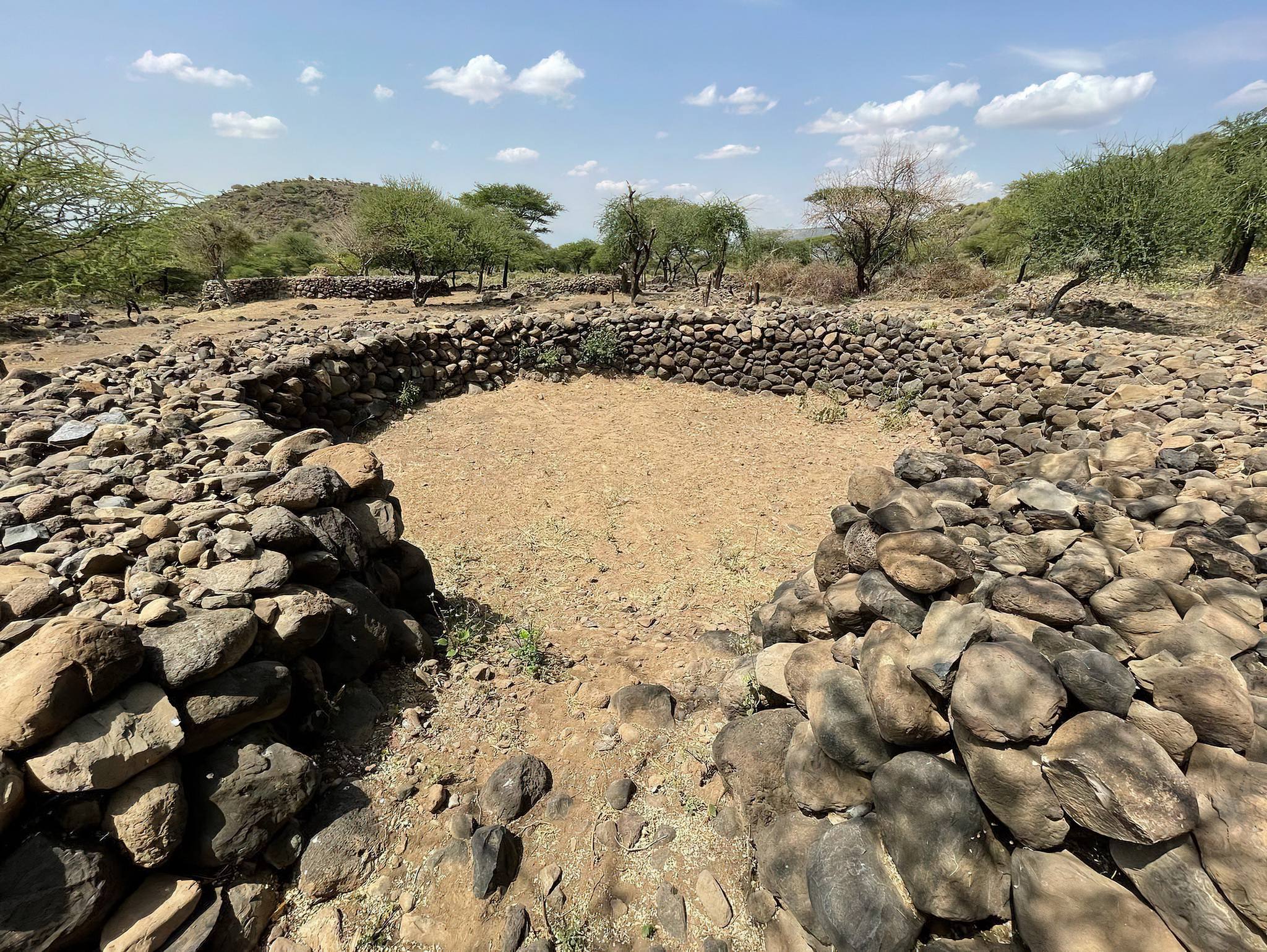
The Engaruka ruins are one of Tanzania’s most remarkable archaeological sites, preserving the remains of an ancient agricultural settlement built around advanced stone irrigation systems. Located on the floor of the Great Rift Valley, Engaruka reveals how communities transformed a dry landscape into productive farmland centuries ago. Most travelers exploring northern Tanzania follow routes designed around wildlife. They visit: Serengeti National Park. Ngorongoro Crater. Tarangire National Park. Lake Natron. But between these famous destinations lies a forgotten chapter of Tanzania’s human history. The Engaruka ruins represent one of East Africa’s most impressive examples of ancient agricultural engineering. Spread across the Rift Valley landscape, the site contains: Stone terraces. Irrigation channels. Farming areas. Settlement remains. The ruins demonstrate remarkable knowledge of water management and agriculture in an environment that appears impossible to farm today. Growing up in Arusha, our team understands that Tanzania’s greatest stories are not only found in wildlife. They are also found in ancient landscapes, local communities, and archaeological treasures that reveal how people adapted to this land over generations. The History of the Engaruka Ruins The Engaruka ruins date back several centuries and represent the remains of a sophisticated farming community that developed extensive irrigation networks and stone-built agricultural terraces in northern Tanzania. Engaruka was once a thriving agricultural settlement. Although many details about its original inhabitants remain debated among historians and archaeologists, the site provides clear evidence of advanced farming techniques. The community created: Stone-lined irrigation channels. Terraced fields. Water distribution systems. Large cultivated areas. These systems allowed farmers to grow crops in the challenging Rift Valley environment. The settlement eventually declined, likely due to a combination of environmental and social changes. Today, the abandoned landscape provides valuable insight into Tanzania’s agricultural heritage. How the Engaruka Irrigation System Worked The Engaruka ruins are famous because they contain evidence of one of Africa’s most extensive ancient irrigation systems, using channels and stone structures to direct water from nearby sources to farmland. The engineering behind Engaruka was remarkably advanced. Farmers carefully designed systems that controlled water movement across the landscape. The irrigation network included: Stone Channels These guided water from higher areas toward agricultural plots. Terraced Fields Stone terraces helped: Reduce soil erosion. Retain moisture. Create productive farming areas. Water Management The system allowed communities to survive in a semi-arid environment. The remains show impressive understanding of: Landscape design. Agriculture. Water conservation. For visitors today, walking through Engaruka feels like exploring an open-air museum of ancient innovation. Where Are the Engaruka Ruins Located? The Engaruka ruins are located in northern Tanzania between Mto wa Mbu and Lake Natron, making them an excellent cultural stop during a Northern Tanzania adventure itinerary. The ruins sit beneath the dramatic Rift Valley escarpment. Their location makes them ideal to combine with: Lake Natron. Ngorongoro Conservation Area. Serengeti. Tarangire National Park. The surrounding landscape includes: Volcanic mountains. Open plains. Maasai communities. Rift Valley scenery. The journey itself is part of the experience. Unlike crowded attractions, Engaruka offers a peaceful opportunity to explore Tanzania’s history without large tourist groups. Why Visit the Engaruka Ruins? The Engaruka ruins offer travelers a rare chance to explore Tanzania beyond wildlife, combining archaeology, landscape, culture, and ancient engineering in one unforgettable experience. Here are some reasons to include Engaruka in your itinerary: 1. Experience Tanzania’s Hidden History Many visitors know Tanzania for wildlife. Engaruka reveals another side of the country. 2. See Ancient Engineering The irrigation system demonstrates impressive human adaptation. 3. Enjoy Unique Photography The site offers: Dramatic mountain backgrounds. Stone structures. Rift Valley landscapes. Traditional village surroundings. 4. Escape the Crowds Engaruka remains relatively unknown compared with Tanzania’s famous attractions. Combining Engaruka Ruins With Lake Natron Engaruka ruins and Lake Natron create a powerful cultural and natural combination, allowing travelers to experience ancient history, volcanic landscapes, flamingos, and local communities in one journey. Many travelers visit Engaruka while traveling toward Lake Natron. A combined itinerary can include: Engaruka Ruins Explore ancient irrigation systems and archaeological remains. Lake Natron Discover: Flamingo breeding areas. Salt flats. Ngare Sero Waterfall. Ol Doinyo Lengai Experience the sacred Maasai volcano. Our Best of Northern Tanzania itinerary can be customized to include these remote destinations. For a wider adventure, our Tanzania Explorer journey combines cultural discoveries with iconic wildlife destinations. Planning an Engaruka Ruins Visit From the United States US travelers can include the Engaruka ruins in a Northern Tanzania itinerary after arriving through Kilimanjaro International Airport and beginning their journey from Arusha. Typical travel routes include flights from: New York (JFK). Los Angeles (LAX). Chicago (ORD). Atlanta (ATL). International connections commonly pass through: Doha. Amsterdam. Istanbul. Nairobi. Travelers should prepare with: Tanzania visa requirements. Comfortable walking shoes. Sun protection. Travel insurance. Our Travel Information guide helps visitors prepare for their Tanzania adventure. Photography Tips for the Engaruka Ruins The Engaruka ruins provide excellent photography opportunities through ancient stone structures, Rift Valley scenery, and dramatic mountain landscapes surrounding the archaeological site. Recommended photography equipment includes: Wide-angle lens for landscapes. 24–70mm lens for general scenes. Polarizing filter for bright conditions. Extra batteries. Dust protection for equipment. The best times for photography are: Early morning. Late afternoon. Best Time to Visit the Engaruka Ruins The Engaruka ruins can be visited throughout the year, but the best months are generally during Tanzania’s dry seasons when roads are easier to navigate and outdoor exploration is more comfortable. Because Engaruka is an outdoor archaeological site, weather plays an important role in the experience. June to October This is one of the most popular periods for visiting northern Tanzania. Advantages include: Dry weather. Clear mountain views. Comfortable walking conditions. Excellent photography opportunities. This season also combines well with classic Tanzania safari routes. January to March Another excellent travel period. Visitors can enjoy: Warm conditions. Green landscapes after seasonal rains. Fewer crowds. Great opportunities for combining cultural visits with wildlife adventures. April to May The long rains transform the surrounding landscape. Although some roads may become more challenging, the area becomes: Greener. More dramatic. Less crowded. For travelers…

Read More
Ol Doinyo Lengai climb
Adventure Travel·

Ol Doinyo Lengai Climb | Mountain of God at Night

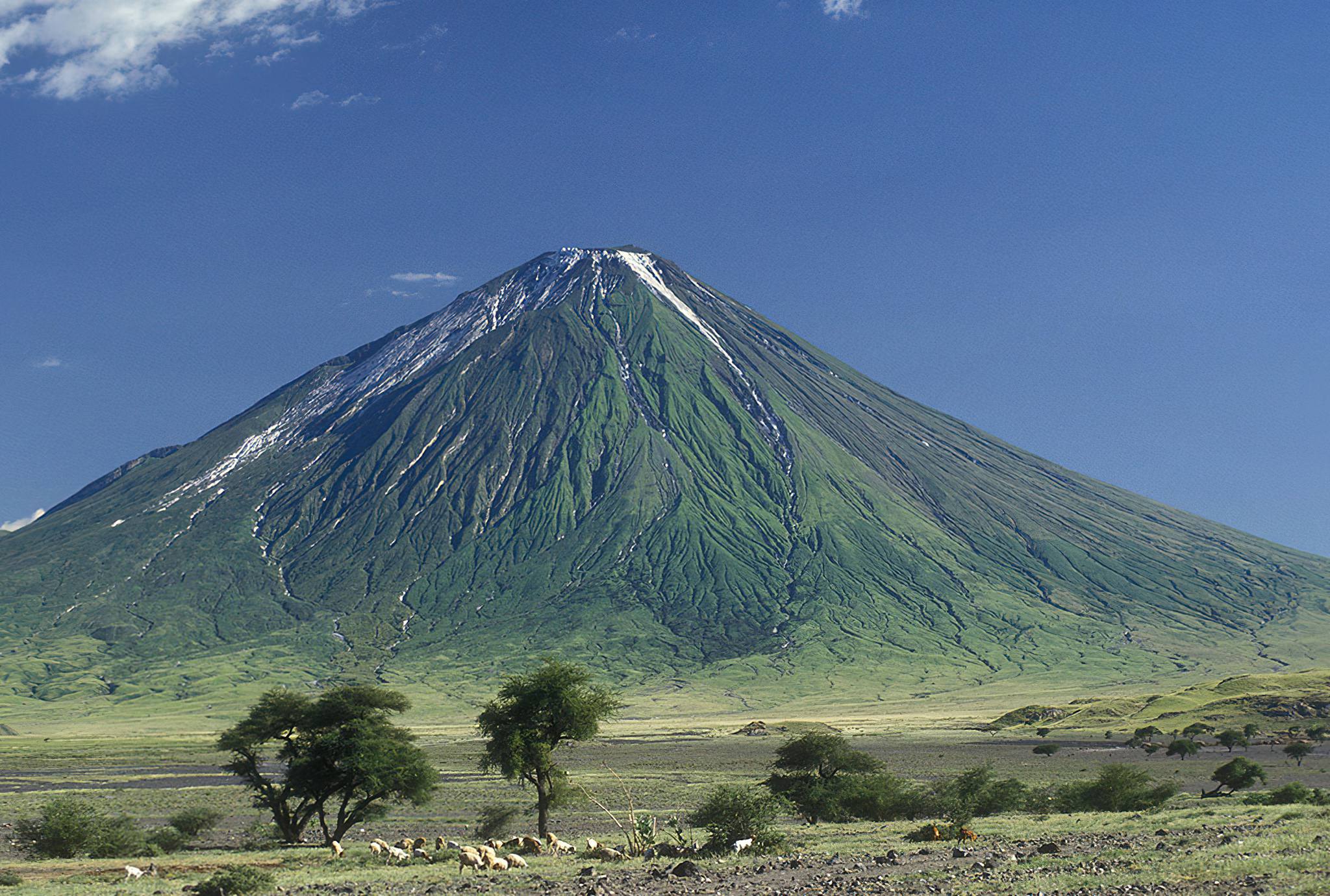
The Ol Doinyo Lengai climb is one of Africa’s most challenging and rewarding overnight hikes, taking adventurers up the only active carbonatite volcano in the world. Starting around midnight, the climb rewards determined hikers with unforgettable sunrise views over Lake Natron, the Great Rift Valley, and northern Tanzania. For most travelers, Tanzania is synonymous with safaris and Mount Kilimanjaro. Yet one of the country’s greatest adventures lies far from the famous national parks. The Ol Doinyo Lengai climb offers an entirely different experience. Known as the “Mountain of God” by the Maasai people, Ol Doinyo Lengai rises dramatically above the Great Rift Valley near Lake Natron. Unlike Kilimanjaro, this is not a multi-day trek. It is a steep overnight ascent that demands determination, fitness, and mental resilience. Growing up in Arusha, our team has guided travelers across northern Tanzania for years, and Ol Doinyo Lengai remains one of the region’s most extraordinary hidden adventures. Few mountains combine geology, culture, and breathtaking scenery in quite the same way. What Makes the Ol Doinyo Lengai Climb So Unique? The Ol Doinyo Lengai climb is unique because it takes hikers up the world’s only active carbonatite volcano, a sacred mountain in Maasai culture that produces an exceptionally rare type of lava. Ol Doinyo Lengai stands approximately 2,962 meters (9,718 feet) above sea level. Although much lower than Kilimanjaro, its steep slopes make it physically demanding. The volcano is internationally significant because it erupts carbonatite lava, an extremely rare lava that is much cooler than ordinary volcanic lava and almost unique on Earth. The mountain also holds deep spiritual importance. For the Maasai people, Ol Doinyo Lengai is regarded as the dwelling place of Engai, their supreme deity. Today, the mountain attracts: Adventure travelers. Geologists. Wildlife photographers. Experienced hikers. Cultural travelers. Every ascent offers a fascinating combination of science, history, and breathtaking scenery. Why Does the Ol Doinyo Lengai Climb Start at Midnight? The Ol Doinyo Lengai climb begins around midnight to avoid the intense daytime heat and allow climbers to reach the summit in time for sunrise. Night hiking is an essential part of the experience. Temperatures during the day can become extremely hot in the Lake Natron region. By climbing overnight, hikers benefit from: Cooler conditions. Safer temperatures. Stunning sunrise views. More comfortable climbing conditions. Headlamps illuminate the trail as guides lead groups steadily upward. The mountain is steep throughout much of the ascent. Patience and careful footing are essential. Watching the first light spread across the Rift Valley makes every step worthwhile. How Difficult Is the Ol Doinyo Lengai Climb? The Ol Doinyo Lengai climb is considered one of Tanzania’s most physically demanding day hikes because of its steep volcanic slopes, loose terrain, and overnight ascent. Although the climb is relatively short compared with Kilimanjaro, it should not be underestimated. Challenges include: Steep gradients. Loose volcanic ash. Rocky sections. Hot daytime descent. Physical endurance. The climb is suitable for: Experienced hikers. Fit adventure travelers. Visitors comfortable with challenging terrain. Good hiking boots and trekking poles are strongly recommended. What Will You See During the Climb? The Ol Doinyo Lengai climb rewards hikers with panoramic views of Lake Natron, the Great Rift Valley, surrounding volcanoes, and northern Tanzania stretching toward Kenya. As dawn approaches, the landscape slowly reveals itself. Highlights include: Lake Natron The brilliant salt lake glows in shades of: White. Red. Pink. Depending on conditions, visitors may even spot distant Lake Natron flamingos. Great Rift Valley The escarpments stretch for miles across East Africa. Volcanic Landscape The summit reveals dramatic volcanic formations shaped by centuries of eruptions. Sunrise Many hikers consider the sunrise from Ol Doinyo Lengai among the finest in Tanzania. Best Time for an Ol Doinyo Lengai Climb The best time for the Ol Doinyo Lengai climb is during Tanzania’s dry seasons when trail conditions are generally more stable and visibility is excellent. The recommended months include: June to October Ideal for: Comfortable climbing. Clear mountain views. Easier trail conditions. January to March Another excellent period with warm weather and good visibility. Although climbs operate throughout much of the year, heavy rainfall can make volcanic slopes more slippery. Local guides always assess current conditions before departures. Combining the Ol Doinyo Lengai Climb With Lake Natron Most travelers combine the Ol Doinyo Lengai climb with Lake Natron, creating one of Northern Tanzania’s most rewarding adventure itineraries. After completing the climb, visitors often explore: Lake Natron flamingos. Ngare Sero Waterfall. Maasai villages. Salt flats. This combination offers both adventure and recovery. Many itineraries also continue to: Serengeti National Park. Ngorongoro Crater. Tarangire National Park. Our Best of Northern Tanzania itinerary can easily be customized to include this unforgettable volcanic adventure. Planning an Ol Doinyo Lengai Climb From the United States US travelers can reach Ol Doinyo Lengai after flying into Kilimanjaro International Airport and traveling by road from Arusha through the Great Rift Valley. Most visitors depart from: New York (JFK). Los Angeles (LAX). Chicago (ORD). Atlanta (ATL). Common international connections include: Doha. Amsterdam. Istanbul. Nairobi. Travel preparation should include: Tanzania visa requirements. Comprehensive travel insurance. Good hiking fitness. Quality trekking equipment. Our Travel Information section provides practical guidance before your Tanzania adventure. What to Pack for an Ol Doinyo Lengai Climb Packing the right gear is essential for an Ol Doinyo Lengai climb because the trek begins at midnight, involves steep volcanic terrain, and finishes under the intense East African sun. Lightweight clothing, sturdy boots, and reliable lighting are must-haves. Although the climb lasts only one night, the conditions can be demanding. Essential Clothing Dress in layers, as temperatures change throughout the climb. Recommended clothing includes: Moisture-wicking base layers. Lightweight trekking trousers. Breathable hiking shirt. Windproof jacket. Warm fleece for the early morning. Sun hat for the descent. Footwear The steep volcanic slopes require quality footwear. Choose: High-ankle hiking boots with excellent grip. Moisture-wicking hiking socks. Gaiters if visiting during dusty conditions. Essential Equipment Bring: Headlamp with spare batteries. Trekking poles. At least 2–3 litres of drinking water….

Read More
Lake Natron flamingos
Safari Destinations·

Lake Natron Flamingos | Salt Flats and Waterfall Walk

Lake Natron flamingos gather at one of East Africa’s most remarkable breeding grounds, surrounded by crimson salt flats, volcanic landscapes, and the towering Ol Doinyo Lengai. A visit combines unique wildlife, dramatic scenery, and the refreshing Ngare Sero Waterfall hike into one unforgettable Northern Tanzania adventure. Most safari travelers picture the Serengeti when they imagine Tanzania. Few realize that one of the country’s most spectacular landscapes lies far from the traditional safari circuit. Home to millions of Lake Natron flamingos, this remote alkaline lake is unlike anywhere else in Africa. Situated in the eastern Rift Valley near the Kenyan border, Lake Natron offers an entirely different safari experience. Instead of endless grasslands, visitors discover: Brilliant white and red salt flats. Active volcanic scenery. Flamingo breeding colonies. Maasai communities. Hidden waterfalls flowing through narrow gorges. Growing up in Arusha, our team has visited Lake Natron in every season and understands why travelers seeking authentic experiences often describe it as one of Tanzania’s greatest hidden gems. Unlike crowded safari parks, Lake Natron rewards those willing to explore beyond the familiar. Why Are Lake Natron Flamingos So Famous? Lake Natron flamingos are famous because the lake is the world’s most important breeding site for Lesser Flamingos. Its highly alkaline waters create an environment where predators struggle to survive, giving flamingos a safe place to nest. Lake Natron supports the vast majority of East Africa’s Lesser Flamingo population during breeding seasons. The lake’s unique chemistry makes it exceptionally important. Its water contains high concentrations of: Sodium carbonate. Natural salts. Minerals from surrounding volcanic activity. Although these conditions appear harsh, flamingos thrive here. The shallow salt flats provide ideal nesting areas where predators rarely reach. During breeding periods, visitors may witness thousands—or even hundreds of thousands—of flamingos covering sections of the lake in brilliant shades of pink. For wildlife photographers, this is one of Africa’s most extraordinary natural spectacles. Exploring the Lake Natron Salt Flats The salt flats surrounding Lake Natron create one of Tanzania’s most surreal landscapes, with changing colors, shimmering mineral deposits, and breathtaking views beneath Ol Doinyo Lengai volcano. Walking across sections of the salt flats feels almost otherworldly. Depending on the light, the landscape changes dramatically. Visitors may see: White mineral crusts. Red algae coloring the water. Mirror-like reflections. Cracked salt formations. Volcanic ash deposits. The colors shift throughout the day. Sunrise and sunset are especially spectacular. Guided walks allow visitors to explore safely while protecting the fragile ecosystem. Ngare Sero Waterfall: Lake Natron’s Hidden Oasis The Ngare Sero Waterfall offers a refreshing contrast to Lake Natron’s hot salt flats, leading visitors through a narrow gorge to a cool natural waterfall perfect for relaxing after exploring the lake. One of the highlights of a Lake Natron visit is the walk to Ngare Sero Waterfall. Unlike the open salt plains, this adventure follows a shaded canyon with flowing water. The hike includes: Narrow rock passages. Small stream crossings. Natural swimming pools. Lush vegetation. Dramatic canyon walls. After walking through the warm valley, reaching the waterfall feels incredibly rewarding. Many visitors choose to cool off beneath the cascading water before returning. The hike is suitable for most reasonably active travelers and provides an excellent balance to wildlife viewing. Ol Doinyo Lengai: Tanzania’s Sacred Volcano Towering above Lake Natron, Ol Doinyo Lengai is an active volcano sacred to the Maasai people and one of the most distinctive geological landmarks in East Africa. Known as the “Mountain of God” in the Maa language, Ol Doinyo Lengai dominates the surrounding landscape. This active volcano is unique because it erupts carbonatite lava, a rare type of lava found in very few places on Earth. Even travelers who do not climb the volcano enjoy magnificent views from the lake basin. For experienced hikers, overnight summit climbs offer unforgettable sunrise panoramas across: Lake Natron. The Great Rift Valley. Northern Tanzania. Southern Kenya. The volcano gives Lake Natron an even more dramatic setting. Wildlife Beyond the Flamingos Although Lake Natron flamingos are the main attraction, the surrounding region also supports giraffes, zebras, antelope, birds of prey, and rich Maasai pastoral landscapes. The area around Lake Natron offers surprising wildlife diversity. Visitors may encounter: Giraffes. Zebras. Grant’s gazelles. Ostriches. Secretary birds. Eagles. Unlike Tanzania’s national parks, wildlife viewing here takes place in wide-open landscapes shared with Maasai livestock and traditional communities. The experience feels more intimate and less commercial than a typical safari. Combining Lake Natron With Northern Tanzania Safaris Lake Natron is an excellent extension to a Northern Tanzania safari, adding dramatic landscapes, cultural encounters, and unique wildlife to classic destinations like Serengeti and Ngorongoro. Many travelers include Lake Natron before or after visiting Tanzania’s famous parks. Popular itinerary combinations include: Serengeti National Park Continue your adventure with our Serengeti and Ngorongoro safari for exceptional wildlife viewing. Northern Safari Circuit Combine Lake Natron with: Tarangire National Park. Ngorongoro Crater. Serengeti. Our Best of Northern Tanzania itinerary can easily include Lake Natron. Extended Tanzania Adventure Travelers wanting to experience even more of Tanzania can customize our Tanzania Explorer itinerary to include this remote destination. Planning a Lake Natron Trip From the United States US travelers can reach Lake Natron after arriving at Kilimanjaro International Airport and traveling by road from Arusha. The destination is ideal for adventurous visitors looking to explore beyond Tanzania’s classic safari circuit. Most US travelers fly from: New York (JFK). Los Angeles (LAX). Chicago (ORD). Atlanta (ATL). Common international connections include: Doha. Amsterdam. Istanbul. Nairobi. Before traveling, visitors should prepare: Tanzania visa requirements. Lightweight hiking clothing. Sun protection. Walking shoes suitable for rocky terrain. Our Travel Information guide provides practical advice for planning your Tanzania journey. Best Time to See Lake Natron Flamingos The best time to visit Lake Natron flamingos depends on what you want to experience. Dry-season visits offer easier access and comfortable hiking, while breeding activity is generally linked to changing water levels and seasonal conditions. Lake Natron is a year-round destination, but each season offers something different. June to October This is…

Read More
Marangu village Chagga caves
Cultural Experiences·

Marangu Village Chagga Caves | Kilimanjaro Culture

The Marangu village Chagga caves are historic underground tunnels built by the Chagga people on the slopes of Mount Kilimanjaro. These caves reveal stories of protection, survival, traditions, and community life that have shaped the region for generations. When travelers think about Mount Kilimanjaro, they often imagine: Snow-covered peaks. Mountain climbing. Safari adventures. Wildlife. But beneath the forests and farms surrounding Kilimanjaro lies another story. The Marangu village Chagga caves offer a rare opportunity to explore the cultural history of the Chagga people, one of Tanzania’s most established communities. Located near the eastern slopes of Mount Kilimanjaro, Marangu village has long been known for: Coffee farming. Banana plantations. Traditional Chagga homes. Rich cultural heritage. The underground caves are among the most fascinating historical sites in the area. Growing up in Arusha, our team knows that Tanzania’s greatest experiences are not only found in national parks. They are also found in local villages, family traditions, and stories passed from one generation to another. A visit to Marangu provides a deeper understanding of the people who have lived alongside Kilimanjaro for centuries. The History Behind the Marangu Village Chagga Caves The Marangu village Chagga caves were created as underground shelters by the Chagga people during periods of conflict and insecurity. They served as hiding places, living spaces, and protection systems beneath the forest. The caves are not natural formations. They were carefully constructed tunnels designed to protect communities. Historically, the Chagga people lived in an environment where different groups competed for land and resources. The underground systems provided: Protection from attacks. Hidden movement routes. Safe places for families. Storage areas. The tunnels were designed with local knowledge and understanding of the landscape. Many cave systems included: Narrow passageways. Underground rooms. Hidden entrances. Connection points between areas. Today, these caves preserve an important chapter of Chagga history. Exploring Marangu Village: More Than Just the Chagga Caves A visit to Marangu village combines the Chagga caves with coffee culture, waterfalls, traditional homes, and mountain scenery, creating one of the best cultural experiences near Kilimanjaro. The caves are only one part of the Marangu experience. A cultural tour can include: Chagga Coffee Experience The Kilimanjaro region is famous for Arabica coffee. Visitors can learn about: Traditional coffee farming. Hand-processing methods. Local roasting techniques. Family coffee traditions. Banana Farming Bananas are central to Chagga culture. They are used for: Food. Agriculture. Traditional beverages. Local customs. Traditional Chagga Homes Visitors can learn about historic building styles and community life. Local Waterfalls The surrounding area includes beautiful waterfalls hidden within the mountain landscape. These natural attractions combine perfectly with cultural exploration. Why Visit the Marangu Village Chagga Caves? The Marangu village Chagga caves offer travelers a unique cultural experience that goes beyond traditional sightseeing, connecting visitors with Tanzania’s history and local communities. Here are some of the reasons this experience stands out: 1. Authentic Cultural Connection Unlike many tourist attractions, the caves are connected directly to local history. Visitors gain insight into: Chagga traditions. Community resilience. Historical lifestyles. 2. A Different Side of Kilimanjaro Most visitors experience Kilimanjaro through trekking. Marangu shows another perspective: The mountain as a home. 3. Educational Experience The caves provide lessons about: Architecture. Survival strategies. Local history. Traditional knowledge. 4. Easy Addition to a Kilimanjaro Itinerary Marangu is close to Moshi and Kilimanjaro climbing routes. It can be added: Before a climb. After a climb. During a Northern Tanzania holiday. Combining Marangu Village Chagga Caves With a Tanzania Safari The Marangu village Chagga caves are an excellent cultural addition before or after a Tanzania safari, giving travelers a deeper understanding of the communities surrounding Kilimanjaro. Many visitors combine cultural experiences with wildlife adventures. A complete itinerary may include: Kilimanjaro Region Explore: Marangu village. Coffee farms. Waterfalls. Chagga heritage. Northern Tanzania Safari Continue to: Tarangire National Park. Ngorongoro Crater. Serengeti. Our Best of Northern Tanzania itinerary combines iconic wildlife destinations with carefully planned experiences. Extended Tanzania Adventure For travelers wanting a complete journey, our Tanzania Explorer experience can be customized around cultural visits and safari adventures. Planning a Marangu Village Chagga Caves Visit From the United States US travelers can easily include the Marangu village Chagga caves in a Tanzania itinerary by flying into Kilimanjaro International Airport and exploring the region from Arusha or Moshi. Common flight connections from the US include: JFK. LAX. Chicago. Atlanta. Travelers should prepare for: Tanzania visa requirements. Travel insurance. Comfortable walking shoes. Sun protection. Respect for local customs. Our Travel Information guide helps visitors prepare for their Tanzania journey. Photography Tips for Marangu Village Chagga Caves The Marangu village Chagga caves provide excellent photography opportunities, from underground tunnels and cultural moments to coffee farms and Kilimanjaro landscapes. Recommended equipment: Small mirrorless camera. Wide-angle lens. Extra batteries. Low-light settings. Photography highlights include: Cave entrances. Traditional architecture. Coffee preparation. Village landscapes. Mountain views. For travelers interested in combining culture with wildlife photography, our Photographic Safaris provide specialized safari experiences across Tanzania. Best Time to Visit the Marangu Village Chagga Caves The Marangu village Chagga caves can be visited throughout the year, but the best experience usually comes during Tanzania’s drier months when walking conditions are easier and mountain views are clearer. The Kilimanjaro region has a pleasant climate compared with many other parts of Tanzania. The most popular travel periods are: June to October This is one of the best periods for exploring Marangu. Advantages: Drier trails. Comfortable walking conditions. Clearer views of Mount Kilimanjaro. Excellent conditions for combining cultural tours with safari. January to March Another excellent period, especially for travelers combining the caves with a Kilimanjaro climb or northern Tanzania safari. Benefits include: Warm temperatures. Green landscapes. Fewer visitors than peak season. November and April to May These months bring more rainfall. However, the region remains beautiful. The rainy season creates: Lush vegetation. Fuller waterfalls. Vibrant coffee plantations. Travelers who enjoy quieter experiences may appreciate visiting during these months. Responsible Tourism When Visiting Marangu Village Responsible tourism at the Marangu village Chagga caves means respecting local traditions,…

Read More
Lake Tanganyika Tanzania

Lake Tanganyika Tanzania: 7 Amazing Reasons to Explore Kigoma, MV Liemba and Livingstone’s Historic Shore

Lake Tanganyika Tanzania offers one of East Africa’s most fascinating journeys, combining ancient lake landscapes, historic Kigoma, the legendary MV Liemba, and the famous meeting place of Stanley and Livingstone in Ujiji. For US travelers seeking an authentic luxury safari experience beyond the Serengeti, this remote western Tanzania destination delivers culture, adventure, wildlife, and unforgettable stories. With local expertise from Odysseys From Africa, travelers can add Lake Tanganyika Tanzania to a carefully designed itinerary connecting Tanzania’s hidden gems with iconic safari destinations. Lake Tanganyika Tanzania: Why This Historic Lake Is Worth Discovering Lake Tanganyika Tanzania is one of Africa’s most remarkable travel destinations, offering a unique combination of history, freshwater landscapes, cultural experiences, and wilderness adventures. For travelers looking beyond traditional safari routes, Lake Tanganyika Tanzania provides an extraordinary journey through Kigoma, Ujiji, and one of the world’s oldest lakes. Stretching along Tanzania’s western border, Lake Tanganyika is among the largest and deepest freshwater lakes on Earth. Its dramatic scenery, fascinating history, and remote atmosphere make it one of Tanzania’s most rewarding destinations for adventurous travelers. While many visitors focus on northern Tanzania’s famous wildlife parks, western Tanzania reveals a different side of the country. Here, travelers discover: Historic trading towns Traditional lakeside communities Scenic boat journeys Rare birdlife Chimpanzee trekking opportunities Important cultural landmarks A visit to Lake Tanganyika Tanzania is not only about scenery. It is about understanding a place where exploration, conservation, and human history meet. For travelers creating a complete Tanzania itinerary, the lake region can be combined with: Serengeti safari tours Ngorongoro Crater adventures Zanzibar beach escapes Rubondo Island experiences Mahale chimpanzee trekking Explore more possibilities through Odysseys From Africa’s Tanzania safari destinations. Lake Tanganyika Tanzania: Discovering Kigoma, the Gateway to the West Lake Tanganyika Tanzania begins for many travelers in Kigoma, a historic lakeside town that serves as the cultural and transportation hub of western Tanzania. Kigoma offers visitors a fascinating combination of lake scenery, local traditions, colonial history, and access to some of Tanzania’s most remote experiences. Located on the eastern shore of Lake Tanganyika, Kigoma has played an important role in regional trade and transportation for generations. Today, the town provides the starting point for exploring: Ujiji historical sites Gombe Stream National Park Mahale Mountains National Park Lake Tanganyika boat experiences Unlike Tanzania’s busier tourist centers, Kigoma maintains a more authentic atmosphere. Visitors can experience: Kigoma Harbour The harbour remains one of the most important features of the town. From here, boats depart across Lake Tanganyika, connecting communities and offering scenic views of the surrounding hills. The waterfront provides excellent opportunities for: Photography Sunset viewing Local interaction Learning about lake transportation Local Markets and Culture Kigoma’s markets provide insight into everyday life in western Tanzania. Travelers can discover: Fresh lake fish Local produce Handmade crafts Regional foods For visitors interested in cultural tourism, Kigoma provides a genuine connection with Tanzanian communities. Lake Tanganyika Tanzania: The Historic MV Liemba Story Lake Tanganyika Tanzania: Exploring the Legendary MV Liemba Lake Tanganyika Tanzania is home to the MV Liemba, one of the world’s oldest operating passenger vessels and a remarkable symbol of African lake history. The MV Liemba represents more than transportation; it is a living piece of history connecting communities along Lake Tanganyika for more than a century. Originally built in Germany in the early 20th century, the vessel became famous during the First World War before continuing its service on the lake. Today, the MV Liemba remains an important part of life around Lake Tanganyika. The ship connects communities between Tanzania and neighboring countries while offering travelers a rare opportunity to experience historic lake travel. A journey connected with the MV Liemba allows visitors to appreciate: Traditional lake transportation Local communities Remote shoreline landscapes The importance of Lake Tanganyika in regional history For travelers interested in authentic experiences, this is very different from a standard tourist attraction. It is a chance to experience a working piece of East African heritage. Lake Tanganyika Tanzania: Where Stanley Met Livingstone in Ujiji Lake Tanganyika Tanzania: The Famous Stanley and Livingstone Meeting Place Lake Tanganyika Tanzania holds an important place in exploration history because Ujiji became the location where Henry Morton Stanley met Dr. David Livingstone in 1871. The Ujiji memorial offers travelers a chance to explore one of Africa’s most famous historical encounters while visiting the shores of Lake Tanganyika. The meeting between Stanley and Livingstone became one of the best-known moments in European exploration history. When Stanley located Livingstone in Ujiji, he reportedly greeted him with the famous words: “Dr. Livingstone, I presume?” Today, visitors can explore the area and learn about: 19th-century exploration Regional trade history Missionary journeys Tanzania’s connection to global exploration stories However, modern travelers also gain a broader perspective by understanding that these landscapes were already home to established communities, cultures, and trading networks long before European explorers arrived. The Ujiji experience adds historical depth to a Lake Tanganyika Tanzania itinerary. Lake Tanganyika Tanzania: Wildlife and Adventure Beyond the Shore Lake Tanganyika Tanzania is not only a historical destination; it is also a gateway to some of western Tanzania’s most exciting wildlife experiences. Travelers can combine lake exploration with chimpanzee trekking, forest adventures, and conservation-focused safaris. The surrounding region offers access to several important natural areas. Gombe Stream National Park Gombe is famous worldwide for chimpanzee research and forest trekking. Visitors can enjoy: Guided chimpanzee walks Forest exploration Birdwatching Conservation education Mahale Mountains National Park Mahale provides one of Africa’s most spectacular chimpanzee trekking experiences. The park combines: Tropical rainforest Mountain scenery Lake views Remote wilderness For travelers wanting a complete western Tanzania adventure, combining Lake Tanganyika Tanzania with chimpanzee trekking creates a unique safari experience. Lake Tanganyika Tanzania: A Perfect Addition to a Luxury Safari Itinerary Lake Tanganyika Tanzania is ideal for travelers who want to explore beyond traditional safari destinations and experience a quieter, more authentic side of the country. Adding Kigoma and Lake Tanganyika to a Tanzania itinerary creates a deeper journey combining wildlife, culture, history, and…

Read More
Rubondo Island National Park

Rubondo Island National Park: 7 Amazing Reasons to Discover Lake Victoria’s Rewilded Chimp and Sitatunga Refuge

Rubondo Island National Park is one of Tanzania’s most unique luxury safari destinations, offering a rare combination of forest exploration, rewilded chimpanzees, sitatunga antelope sightings, and Lake Victoria adventures. Located on a remote island in northwestern Tanzania, this hidden gem provides US travelers with an authentic African safari experience far away from crowded wildlife routes. With local Tanzanian expertise, Odysseys From Africa creates unforgettable journeys that combine conservation, wilderness, and exclusive island experiences. Rubondo Island National Park: Why This Hidden Lake Victoria Safari Is Worth Visiting Rubondo Island National Park offers one of Tanzania’s most unusual wildlife experiences, combining island landscapes, rainforest walks, chimpanzee encounters, and freshwater adventures on Lake Victoria. For travelers seeking a luxury Tanzania safari beyond the Serengeti and Ngorongoro Crater, Rubondo Island National Park provides an exclusive escape focused on conservation, nature, and authentic exploration. Many travelers associate Tanzania with famous destinations such as the Serengeti, Ngorongoro Crater, and Zanzibar. However, the country’s wildlife story extends far beyond the traditional safari circuit. On the western side of Tanzania lies a remarkable island sanctuary where forests meet Africa’s largest lake. Unlike a typical Big Five safari, Rubondo offers a slower and more immersive style of travel. Guests explore walking trails, travel by boat, watch birds along the shoreline, and discover animals adapted to an island ecosystem. The destination is especially appealing for travelers who want: A private wilderness experience Unique wildlife encounters Conservation-focused travel Luxury lodge stays An alternative to traditional safari routes For US travelers planning a complete Tanzania itinerary, the island can be combined with classic safari destinations and beach escapes. Popular combinations include: Serengeti safari tours Ngorongoro Crater visits Zanzibar relaxation Lake Victoria exploration Discover more Tanzania wildlife experiences through Odysseys From Africa’s curated Tanzania safari destinations. Rubondo Island National Park: The Story Behind Tanzania’s Rewilded Island Sanctuary Rubondo Island National Park became famous because of its successful conservation efforts, transforming a former inhabited island into a protected wilderness refuge for chimpanzees and other wildlife. The park represents one of Tanzania’s most inspiring conservation stories, where rescued animals were given a protected environment to adapt and thrive. Established in 1977, the park covers Rubondo Island and several surrounding smaller islands within Lake Victoria. The island’s conservation journey is unlike most national parks in Tanzania. Instead of protecting a long-established population of large mammals, conservationists created a safe habitat where selected species could be introduced and monitored. One of the most remarkable projects involved chimpanzees. Chimpanzees rescued from various difficult situations were introduced to the island, where they gradually adapted to their forest environment. Today, visitors can experience the result of decades of conservation work through guided forest walks and wildlife observation. The island now protects: Rewilded chimpanzees Sitatunga antelope Elephants Giraffes Hippos Crocodiles More than 400 bird species This combination makes the destination one of Tanzania’s most distinctive wildlife areas. Rubondo Island National Park: Exploring the Rewilded Chimpanzee Experience Rubondo Island National Park: A Unique Chimpanzee Safari in Tanzania Chimpanzee encounters are one of the main reasons adventurous travelers visit this island. Unlike traditional chimp trekking destinations such as Mahale Mountains National Park or Gombe Stream National Park, the chimpanzees here live in a completely different environment. They inhabit an island forest ecosystem surrounded by Lake Victoria. This creates a distinctive wildlife experience. A guided forest walk may include: Searching for chimpanzee activity Learning about primate behavior Observing forest ecology Discovering other wildlife species The experience focuses on understanding conservation rather than simply finding animals. Visitors learn how chimpanzees adapted to island life and how long-term protection helped create a sustainable population. For travelers interested in specialist wildlife journeys, Odysseys From Africa also offers photographic safari experiences designed around unique animal encounters and landscapes. Rubondo Island National Park: Why Chimpanzee Encounters Feel Different Here A major difference between island chimpanzee experiences and mainland trekking is the atmosphere. In places like Mahale and Gombe, chimpanzee trekking often involves following established forest communities. On Rubondo Island, the experience feels more like discovering a living conservation project. The island environment creates opportunities to appreciate: Forest restoration Wildlife adaptation Conservation science Responsible tourism For travelers who value meaningful experiences, this makes the destination especially rewarding. Rubondo Island National Park: Discovering the Rare Sitatunga Antelope Rubondo Island National Park is one of Tanzania’s best locations to search for the shy sitatunga antelope, a rare wetland species adapted to swamp forests and aquatic environments. The sitatunga adds another layer to the island’s wildlife appeal, making Rubondo a valuable destination for photographers and nature enthusiasts. The sitatunga is a specialized antelope that thrives in wet habitats. Unlike many safari animals that prefer open grasslands, sitatunga are adapted to: Marsh areas Swamp vegetation Dense wetlands Water-rich environments Their long, splayed hooves help them move through muddy terrain. Because they are naturally secretive, sightings are considered special. A patient guided walk through suitable habitat can provide opportunities to observe these fascinating animals. For wildlife photographers, sitatunga sightings offer a rare chance to capture a species that many safari visitors never encounter. Rubondo Island National Park: A Different Kind of Tanzania Safari Experience Rubondo Island National Park delivers a peaceful alternative to traditional safari destinations by combining rainforest, freshwater scenery, wildlife encounters, and exclusive island adventures. Travelers who want a slower, more intimate African safari experience often find this destination unforgettable because of its remote setting and conservation focus. The island experience includes more than wildlife viewing. Guests can enjoy: Forest Walking Safaris Walking through the island’s forests allows travelers to discover smaller details often missed during vehicle safaris. Guides interpret: Animal tracks Bird calls Plant species Wildlife behavior Lake Victoria Boat Adventures Lake Victoria provides a spectacular backdrop for exploration. Boat activities may include: Scenic cruises Wildlife viewing from the water Fishing experiences Sunset excursions Sport Fishing The surrounding waters are known for fishing opportunities, particularly for visitors interested in catching the famous Nile perch. Sport fishing can add another dimension to a Tanzania island itinerary. Location: Arusha, Tanzania Email: info@odysseys-from-africa.com Phone: +254 (0)…

Read More