Wild Adventures, Timeless Memories…

Odysseys From Africa

Safari Blog

Guides, itineraries and field notes from our safari specialists in Arusha — everything you need to plan your Tanzania and Kenya adventure.

Mahale vs Gombe
Tanzania Safari Guides·

Mahale vs Gombe: Which Tanzanian Chimpanzee Trek Is Worth the Journey?

A Mahale vs Gombe comparison is essential for travelers deciding between Tanzania’s two most remarkable chimpanzee trekking destinations. Hidden along the shores of Lake Tanganyika, these remote parks offer a rare African safari experience where guests exchange traditional game drives for rainforest walks, primate encounters, and unforgettable wilderness moments. For US luxury travelers seeking a deeper connection with Tanzania, Odysseys From Africa combines local expertise, carefully selected lodges, and authentic experiences across the country’s most extraordinary destinations. Mahale vs Gombe: Which Tanzania Chimpanzee Trek Is Right for You? Mahale vs Gombe compares two world-class chimpanzee trekking destinations in Tanzania. Mahale Mountains National Park delivers a remote luxury wilderness experience, while Gombe Stream National Park offers a historic chimpanzee adventure shaped by decades of conservation research. The best choice depends on whether you prefer exclusive rainforest exploration, easier access, conservation history, photography opportunities, or a combination of chimp trekking with a wider Tanzania safari itinerary. Tanzania is famous for its iconic wildlife destinations, including the Serengeti, Ngorongoro Crater, Tarangire, and Zanzibar. However, western Tanzania offers an entirely different perspective of the country. Here, ancient forests meet the deep waters of Lake Tanganyika, creating a landscape where chimpanzees, birds, and other forest species thrive. Chimpanzee trekking is one of Tanzania’s most intimate wildlife experiences because it allows travelers to observe primates on foot rather than from a safari vehicle. A typical trek involves: Walking through tropical forest with expert guides Following chimpanzee movements and calls Learning about primate behavior Observing family groups in their natural habitat For travelers from the United States, this type of journey provides a perfect complement to classic safari experiences. A luxury Tanzania itinerary may combine: Serengeti safari tours Ngorongoro Crater exploration Zanzibar beach relaxation Western Tanzania chimpanzee trekking Explore more safari inspiration through Odysseys From Africa’s collection of Tanzania safari destinations. Mahale vs Gombe: Comparing Tanzania’s Two Chimpanzee Trekking Destinations Mahale vs Gombe highlights two very different approaches to chimpanzee trekking in Tanzania. Mahale focuses on remote wilderness, luxury, and dramatic scenery, while Gombe provides a smaller-scale forest adventure connected to important conservation history. Both destinations deliver exceptional chimpanzee encounters, but understanding the differences helps travelers choose the experience that best matches their expectations. Located in western Tanzania, both parks sit beside Lake Tanganyika, one of the oldest freshwater lakes on Earth. Unlike Tanzania’s popular northern safari circuit, these destinations provide: Lower visitor numbers More private wildlife encounters Strong conservation connections Unique landscapes A sense of true exploration This makes them especially appealing for experienced safari travelers who want something beyond the usual Big Five adventure. Mahale vs Gombe: Exploring Mahale Mountains National Park Mahale vs Gombe: Why Mahale Mountains National Park Is a Luxury Traveler Favorite Mahale Mountains National Park is often considered one of Africa’s finest chimpanzee trekking locations. The park combines: Dense tropical rainforest Mountain scenery Crystal-clear Lake Tanganyika shoreline Remote wilderness accommodation The biggest attraction is the opportunity to visit habituated chimpanzee communities that have been observed by researchers for decades. A Mahale trekking day usually begins early. Local guides and trackers lead guests into the forest while interpreting signs of chimpanzee activity. They look for: Fresh feeding areas Broken branches Vocalizations Movement patterns Once chimpanzees are located, guests can spend time observing their natural behavior. Possible sightings include: Chimpanzees traveling through the forest Mothers caring for young Groups feeding together Social interactions between individuals Resting chimpanzees in the trees The experience is slow, respectful, and focused on understanding wildlife rather than simply collecting photographs. Why Mahale Appeals to Luxury Safari Travelers One of the biggest advantages of Mahale is exclusivity. Unlike some popular safari parks where travelers may encounter many vehicles at a wildlife sighting, Mahale offers a more private experience. Honeymoon Safari Experience Couples looking for a unique honeymoon adventure often choose Mahale because it combines: Wildlife adventure Secluded beaches Romantic lake views Boutique lodge experiences The destination works especially well after a northern Tanzania safari. A journey combining chimpanzee trekking with a classic wildlife route such as the Serengeti and Ngorongoro safari experience creates a balanced itinerary. Photography Safari Experience Mahale is also ideal for wildlife photographers. Recommended photography equipment includes: 100–400mm telephoto lens for wildlife subjects Lightweight camera equipment for forest trekking Extra batteries for remote areas 8×42 or 10×42 binoculars for wildlife observation The photographic opportunities extend beyond chimpanzees. Visitors can capture: Forest landscapes Lake Tanganyika scenery Birdlife Mountain backdrops Travelers interested in specialized wildlife photography can explore Odysseys From Africa’s photographic safari options. Mahale vs Gombe: Discovering Gombe Stream National Park Mahale vs Gombe: Why Gombe Remains a Conservation Landmark Gombe Stream National Park is one of the world’s most recognized chimpanzee research destinations. The park gained international attention through the pioneering chimpanzee studies associated with Jane Goodall. Today, Gombe attracts travelers who want to experience chimpanzees while learning about conservation, animal behavior, and the importance of protecting forest ecosystems. Compared with Mahale, Gombe offers: A smaller park environment Concentrated trekking routes Strong research connections Access through Kigoma The forest trails create opportunities for meaningful wildlife encounters while allowing visitors to understand the history behind chimpanzee conservation. Why Choose Gombe for Your Tanzania Chimpanzee Safari? Gombe is particularly suitable for travelers who value: Conservation Education Visitors gain insight into decades of chimpanzee research and protection. Shorter Adventures Travelers with limited time may find Gombe easier to include in a Tanzania itinerary. Wildlife Discovery The park offers excellent opportunities for observing primate behavior in a natural environment. For travelers building a complete Tanzania journey, Odysseys From Africa also offers curated options such as Tanzania explorer safari packages. Mahale vs Gombe: Access and Travel Planning From the USA Mahale vs Gombe requires more planning than traditional Tanzania safari destinations because both parks are located in remote western Tanzania. The journey includes domestic flights and lake transfers, but the remote location creates a more authentic wilderness experience. Mahale generally involves longer travel logistics, while Gombe can be slightly more accessible through Kigoma and Lake Tanganyika connections. For travelers departing…

Read More
Tanzania Northern Circuit itinerary

Tanzania Northern Circuit Itinerary: An 8-Day Safari Route Through Tarangire, Manyara, Serengeti and Ngorongoro

A Tanzania Northern Circuit itinerary is the ultimate way to experience Tanzania’s most iconic safari destinations in one carefully planned journey. For US travelers dreaming of an authentic African adventure, this 8-day route combines Tarangire’s elephant-filled landscapes, Lake Manyara’s diverse ecosystems, the endless plains of Serengeti, and the legendary Ngorongoro Crater. Designed with local Tanzanian expertise, this safari journey balances luxury, wildlife, comfort, and unforgettable experiences while showcasing the best of Northern Tanzania. Tanzania Northern Circuit Itinerary: The Ultimate 8-Day Safari Experience A Tanzania Northern Circuit itinerary connects Tarangire, Lake Manyara, Serengeti, and Ngorongoro Crater in a classic safari route designed for exceptional wildlife viewing.This 8-day Tanzania safari journey is ideal for first-time visitors, couples, families, and photographers seeking a complete luxury African safari experience. Northern Tanzania is one of the world’s most famous safari regions for good reason. Within a relatively compact area, travelers can experience some of Africa’s greatest natural wonders. The Tanzania Northern Circuit itinerary is built around four extraordinary destinations: Tarangire National Park – famous for elephants, ancient baobab trees, and seasonal wildlife concentrations Lake Manyara National Park – known for birdlife, diverse habitats, and scenic landscapes Serengeti National Park – home to vast plains, predators, and the Great Migration Ngorongoro Crater – a UNESCO World Heritage Site with one of Africa’s highest wildlife concentrations For travelers flying from the United States, this route offers an efficient way to experience Tanzania’s highlights without unnecessary travel time. A professionally designed itinerary usually begins in Arusha, Tanzania’s safari gateway, before moving through the national parks in a logical sequence. The journey combines: Luxury lodge stays Expert local guides Private safari vehicles Wildlife photography opportunities Cultural connections Flexible daily schedules Unlike mass tourism experiences, a carefully planned Tanzania Northern Circuit itinerary allows travelers to focus on meaningful moments — watching elephants at sunset, tracking predators across the Serengeti, or standing above the Ngorongoro Crater rim. Why Choose a Tanzania Northern Circuit Itinerary for Your First Safari? A Tanzania Northern Circuit itinerary is the best choice for first-time safari travelers because it combines Tanzania’s most famous parks with reliable wildlife viewing and diverse landscapes.The route delivers a complete African safari experience with opportunities to see the Big Five, experience local culture, and enjoy luxury accommodation. Many first-time visitors ask: “Which Tanzania safari route should I choose?” For most travelers, the northern circuit provides the perfect introduction. The advantages include: 1. Exceptional Wildlife Diversity The northern parks offer some of the highest concentrations of wildlife in Africa. Travelers may encounter: Lions Leopards Elephants Buffalo Rhinos Giraffes Zebras Wildebeest Hippos Hundreds of bird species The combination of different ecosystems means every day brings a new experience. 2. Efficient Travel Between Destinations A major advantage of a Tanzania Northern Circuit itinerary is the relatively short distance between major parks. Compared with remote safari areas, the northern route allows guests to spend more time enjoying wildlife rather than sitting in transit. Typical driving times: Route Approximate Travel Time Arusha to Tarangire 2–3 hours Tarangire to Lake Manyara 2 hours Lake Manyara to Serengeti 4–6 hours depending on route Serengeti to Ngorongoro 2–4 hours These scenic drives are part of the adventure, offering views of villages, landscapes, and everyday Tanzanian life. 3. Ideal for Different Traveler Types A well-designed Tanzania Northern Circuit itinerary works for: Couples and Honeymoon Travelers Romantic experiences include: Private game drives Luxury lodges Bush dinners Sunset views Scenic picnic locations Families Northern Tanzania is family-friendly because of: Shorter travel distances Comfortable lodges Educational wildlife experiences Flexible safari schedules Photographers The route provides excellent photography opportunities: Elephant herds in Tarangire Birdlife in Manyara Predator action in Serengeti Crater landscapes at Ngorongoro Travelers interested in specialized wildlife photography can also explore dedicated photographic safari experiences in Tanzania designed around wildlife behavior, lighting, and professional guiding. Planning a Tanzania Northern Circuit Itinerary from Arusha A Tanzania Northern Circuit itinerary typically begins in Arusha, the main safari hub of Northern Tanzania and the starting point for journeys to Tarangire, Serengeti, and Ngorongoro.Planning from Arusha allows travelers to organize private transfers, luxury lodges, and safari activities efficiently before entering the national parks. Arusha is located near Mount Meru and serves as the main base for northern safari adventures. Most international visitors arrive through: Kilimanjaro International Airport (JRO) Julius Nyerere International Airport (DAR) with a connecting flight For travelers arriving from the United States, common flight connections include: New York via major European or Middle Eastern hubs Los Angeles connections through international gateways Atlanta routes through partner airlines Travel time from the US to Tanzania generally requires a long-haul journey, so many guests prefer arriving one day before the safari begins. Preparing for Your Tanzania Northern Circuit Itinerary Before departure, US travelers should consider: Visa Requirements Most US citizens require a tourist visa for Tanzania. Applications can typically be completed before travel or arranged according to current entry requirements. Travel Insurance Comprehensive travel insurance is strongly recommended, especially for: Safari activities Medical emergencies Flight disruptions Luggage protection Currency and Payments Tanzania uses the Tanzanian Shilling, although US dollars are widely accepted in tourism areas. Travelers should: Carry some cash for small purchases Inform banks before international travel Confirm lodge payment policies For detailed preparation information, travelers can review the Tanzania travel information and safari planning guide. Day-by-Day Tanzania Northern Circuit Itinerary: Days 1–3 Day 1: Arrival in Arusha – Gateway to Northern Tanzania Your adventure begins in Arusha. Depending on arrival time, travelers can: Rest at a luxury lodge Explore local markets Visit cultural attractions Prepare for the safari departure Arusha provides the perfect transition from international travel into the African wilderness. A local safari specialist can adjust the itinerary depending on arrival times, flight schedules, and personal preferences. Day 2: Tarangire National Park – The Elephant Kingdom Tarangire National Park is the first major wildlife destination in a Tanzania Northern Circuit itinerary, famous for elephant herds, baobab trees, and seasonal wildlife gatherings.A Tarangire safari introduces travelers to Tanzania’s unique landscapes while providing excellent early wildlife…

Read More
Tanzania western circuit safari
Tanzania Destinations·

Katavi and Mahale by Air: Planning a Tanzania Western Circuit Safari

A Tanzania western circuit safari offers one of the most exclusive ways to discover Tanzania’s untouched wilderness, connecting the remote floodplains of Katavi National Park with the chimpanzee-rich forests of Mahale Mountains by light aircraft. For US luxury travelers searching for an authentic African adventure beyond crowded safari routes, this journey combines rare wildlife encounters, dramatic landscapes, and private wilderness experiences. Designed by Tanzania-based safari specialists, a western circuit itinerary reveals a side of the country where adventure, conservation, and comfort come together. Tanzania Western Circuit Safari: Discovering Katavi and Mahale by Air A Tanzania western circuit safari connects Katavi National Park and Mahale Mountains National Park through scenic light aircraft transfers, creating a seamless remote wilderness adventure.This exclusive safari route is ideal for travelers seeking fewer crowds, exceptional wildlife encounters, and an authentic Tanzania experience beyond the traditional northern circuit. Tanzania is famous worldwide for destinations such as the Serengeti, Ngorongoro Crater, and Zanzibar. However, beyond these iconic locations lies a collection of remote landscapes where nature remains largely untouched. Western Tanzania represents one of Africa’s last great safari frontiers. A carefully planned Tanzania western circuit safari takes travelers deep into regions where: Wildlife moves across vast untouched plains Ancient forests shelter wild chimpanzees Lake Tanganyika creates spectacular coastal-like scenery Safari camps provide intimate wilderness experiences The journey between Katavi and Mahale is not simply transportation between two destinations. Flying over western Tanzania reveals a changing landscape of rivers, forests, mountains, and remote communities. For travelers from the United States, this route offers something increasingly valuable: exclusivity. Unlike heavily visited safari areas, western Tanzania provides space, silence, and a genuine feeling of exploration. Why Choose a Tanzania Western Circuit Safari Instead of a Classic Safari Route? A Tanzania western circuit safari offers a quieter and more private alternative to popular safari routes, combining rare wildlife with remote landscapes.Travelers who choose Katavi and Mahale experience a deeper connection with Tanzania through fewer vehicles, authentic encounters, and expert local guiding. The classic northern safari circuit remains one of the world’s greatest wildlife destinations. The Serengeti Great Migration, Ngorongoro Crater, and Tarangire National Park are internationally recognized for extraordinary wildlife viewing. However, experienced travelers often look for something beyond the familiar. A Tanzania western circuit safari provides: 1. A More Exclusive Wildlife Experience Katavi National Park receives only a fraction of the visitors found in northern Tanzania. This creates opportunities for: Longer wildlife sightings Quiet game drives Unique photography moments More personal interaction with guides For photographers and repeat safari travelers, this exclusivity is one of the greatest advantages. 2. Two Completely Different Ecosystems Few safari experiences combine such contrasting environments. Katavi offers: Open floodplains Seasonal rivers Large mammal concentrations Classic African savannah scenery Mahale provides: Tropical forests Mountain hiking Chimpanzee trekking Lake Tanganyika beaches Together, these destinations create a complete western Tanzania adventure. 3. A Luxury Safari Designed Around Time, Not Distance Remote safaris require thoughtful planning. Instead of spending long hours on difficult roads, flying between destinations allows guests to maximize their experience. A typical itinerary may include: International arrival in Tanzania Connection through Arusha or Dar es Salaam Light aircraft transfer to Katavi Wildlife exploration Flight to Mahale Chimpanzee trekking and lake experiences Optional beach extension in Zanzibar Travelers looking for broader Tanzania exploration can also combine western Tanzania with other regions through a tailored Tanzania Explorer safari itinerary. Planning a Tanzania Western Circuit Safari by Light Aircraft A Tanzania western circuit safari is best experienced with light aircraft transfers that connect remote parks efficiently while preserving valuable time for wildlife adventures.Flying between Katavi and Mahale creates a smoother luxury safari experience compared with long overland journeys through remote areas. One of the most important aspects of planning a western safari is understanding logistics. Katavi and Mahale are located far from Tanzania’s main tourist highways. Their remoteness is exactly what makes them special, but it also means the journey requires professional planning. How Safari Flights Work Most international travelers begin their journey through major arrival points such as: Kilimanjaro International Airport Julius Nyerere International Airport in Dar es Salaam From these hubs, safari flights connect guests to remote airstrips. Light aircraft provide: Faster access to remote parks Scenic views of Tanzania’s landscapes Less time spent traveling between destinations More time for game viewing and relaxation For travelers unfamiliar with regional safari logistics, preparation is essential. Reviewing practical details such as travel documents, seasonal conditions, and safari expectations through a dedicated Tanzania travel information and planning guide helps create a smoother experience. Katavi National Park: The Wildlife Heart of a Tanzania Western Circuit Safari Katavi National Park is a highlight of any Tanzania western circuit safari, famous for dramatic floodplains, large buffalo herds, elephants, and untouched wilderness.The park delivers one of Tanzania’s most authentic safari experiences, where visitors can explore vast landscapes with very few other vehicles nearby. Located in western Tanzania, Katavi National Park is among the country’s most remote protected areas. Its isolation has helped preserve a remarkable wilderness environment. Unlike parks with high visitor numbers, Katavi feels like a true expedition destination. The park features: Chada Plain Katuma River Seasonal wetlands Miombo woodland Open grasslands Each habitat supports different wildlife experiences throughout the year. Katavi Safari Experience: Wildlife, Floodplains and Photography The Katavi safari experience within a Tanzania western circuit safari focuses on dramatic wildlife scenes, seasonal landscapes, and exceptional photography opportunities.Visitors can witness some of Tanzania’s most impressive animal concentrations while exploring a remote and peaceful wilderness environment. Katavi becomes especially spectacular during the dry season when wildlife gathers around remaining water sources. Highlights include: Buffalo Herds and Predator Encounters Katavi is famous for enormous buffalo populations. Large herds gather near water, creating impressive scenes for photographers and wildlife enthusiasts. Predators such as: Lions Leopards Hyenas follow these movements, creating opportunities for memorable sightings. Hippos and Waterways The park’s rivers and pools provide habitat for large numbers of hippos and crocodiles. During dry months, shrinking water sources create dramatic wildlife interactions. Elephant Landscapes Elephants move…

Read More
Lake Victoria Mwanza
Tanzania Destinations·

Lake Victoria Mwanza: Rock City, Saanane Island and the Back Door to the Serengeti

A Lake Victoria Mwanza adventure reveals a different side of Tanzania — a destination where dramatic granite landscapes, island wildlife, fishing traditions, and safari routes come together. For US travelers seeking an authentic African journey beyond the classic safari circuit, Mwanza offers a rare blend of culture, scenery, and wilderness access. Located on the shores of Africa’s largest lake, this vibrant city connects travelers to Saanane Island National Park, Rock City viewpoints, and the western Serengeti. With local Tanzanian expertise, Odysseys From Africa helps guests discover meaningful experiences that combine comfort, adventure, and authentic connection. Lake Victoria Mwanza: Tanzania’s Rock City and Hidden Safari Gateway Lake Victoria Mwanza is Tanzania’s famous Rock City, offering dramatic landscapes, island wildlife, and a gateway to western Serengeti adventures.For travelers planning a Tanzania itinerary, Lake Victoria Mwanza provides an authentic cultural and scenic experience that complements luxury safari journeys. When many international travelers imagine Tanzania, they picture the endless plains of the Serengeti, the wildlife-rich Ngorongoro Crater, or the tropical beaches of Zanzibar. While these destinations are essential, Tanzania’s diversity extends far beyond the traditional highlights. Located along the southern shores of Lake Victoria, Mwanza is one of Tanzania’s most fascinating destinations. Known as Rock City, the area is defined by enormous granite formations, peaceful lakeside views, and communities whose lives have been connected to the lake for generations. A visit to Lake Victoria Mwanza introduces travelers to a slower, more personal side of Tanzania. Here, the journey is not only about reaching a destination but understanding the landscapes and people that make this region special. For luxury travelers from the United States, Mwanza offers several advantages: A less crowded alternative to major tourist routes Unique photography opportunities Cultural experiences with local communities Easy connection with western Tanzania safari routes A chance to explore beyond standard itineraries A carefully designed journey can combine Mwanza with iconic destinations such as Serengeti, Ngorongoro, and Zanzibar, creating a complete East African adventure. Why Lake Victoria Mwanza Belongs on Your Tanzania Travel Itinerary Lake Victoria Mwanza adds cultural depth, scenic variety, and authentic experiences to a Tanzania safari holiday.Travelers who include Mwanza in their itinerary discover a destination that combines nature, history, and access to some of Africa’s greatest wilderness areas. A safari experience is about more than wildlife sightings. The most memorable journeys reveal the relationship between people, landscapes, wildlife, and traditions. Mwanza provides exactly this type of connection. The region offers experiences that are different from the famous northern safari parks: 1. A Unique Lakeside Landscape Lake Victoria is the largest lake in Africa and one of the largest freshwater lakes in the world. Its enormous size creates a coastal atmosphere unlike anywhere else in Tanzania. Visitors can enjoy: Sunrise views over the lake Traditional fishing scenes Boat excursions Lakeside dining experiences Photography opportunities The scale of the lake creates beautiful contrasts between water, sky, islands, and granite landscapes. 2. Authentic Local Culture Mwanza is a working city rather than only a tourist destination. This gives visitors the opportunity to experience everyday Tanzanian life. Local experiences may include: Visiting fishing communities Exploring local markets Learning about regional traditions Meeting guides and storytellers who grew up near the lake For travelers who value authenticity, these moments often become some of the most memorable parts of the journey. 3. A Different Route Toward Safari Country One of the biggest advantages of Lake Victoria Mwanza is its position near the western Serengeti. This makes it an excellent option for travelers who want to avoid repeating the same routes and discover a more varied Tanzania experience. A custom itinerary may combine: Arusha arrival Northern Tanzania safari Serengeti exploration Mwanza lake experiences Zanzibar beach extension Travelers looking for a complete northern circuit adventure can explore a carefully planned Serengeti and Ngorongoro safari itinerary that can be combined with additional destinations across Tanzania. Lake Victoria Mwanza Attractions: Discovering Rock City The best Lake Victoria Mwanza attractions include Bismarck Rock, Saanane Island National Park, scenic viewpoints, and cultural experiences along the lakeshore.Exploring Mwanza allows travelers to experience Tanzania beyond wildlife, with unique landscapes and local stories at every stop. Bismarck Rock: The Icon of Rock City No visit to Mwanza is complete without seeing Bismarck Rock. This famous granite formation rises from the waters near the city and has become one of Tanzania’s most recognizable landmarks. Its unusual shape reflects the geological history of the region, where ancient rock formations have shaped Mwanza’s identity. For photographers, Bismarck Rock provides excellent opportunities during: Early morning light Sunset photography Boat excursions Lakeside walks The landmark is more than a scenic attraction; it represents the relationship between Mwanza’s natural environment and the communities that have developed around it. Exploring the Granite Landscapes of Mwanza The nickname “Rock City” is not accidental. Throughout Mwanza, massive granite boulders create a landscape unlike most places in Tanzania. These formations provide: Natural viewpoints Unique hiking opportunities Photography locations Geological interest Visitors often describe Mwanza as a destination where every viewpoint feels different because the rocks, lake, and city create constantly changing scenery. For travelers who enjoy photography, the combination of granite formations and Lake Victoria sunsets creates an experience that is completely different from a traditional safari landscape. Saanane Island National Park: Wildlife Experience on Lake Victoria Mwanza Saanane Island National Park near Lake Victoria Mwanza offers a rare urban wildlife experience where visitors can enjoy nature without leaving the city area.The island is ideal for families, photographers, and travelers seeking a relaxed introduction to Tanzania’s wildlife before or after a safari. Located just offshore from Mwanza, Saanane Island National Park is one of Tanzania’s most unique protected areas. Unlike the enormous wilderness areas of Serengeti or Ruaha, Saanane offers an intimate wildlife experience surrounded by the waters of Lake Victoria. The island is home to wildlife including: Giraffes Zebras Impalas Monkeys Rock hyraxes Numerous bird species The short boat journey to the island already creates a sense of adventure. Visitors leave the city behind and quickly enter a…

Read More
Kilimanjaro Northern Circuit route
Adventure Travel·

Kilimanjaro Northern Circuit Route | 9-Day Climb

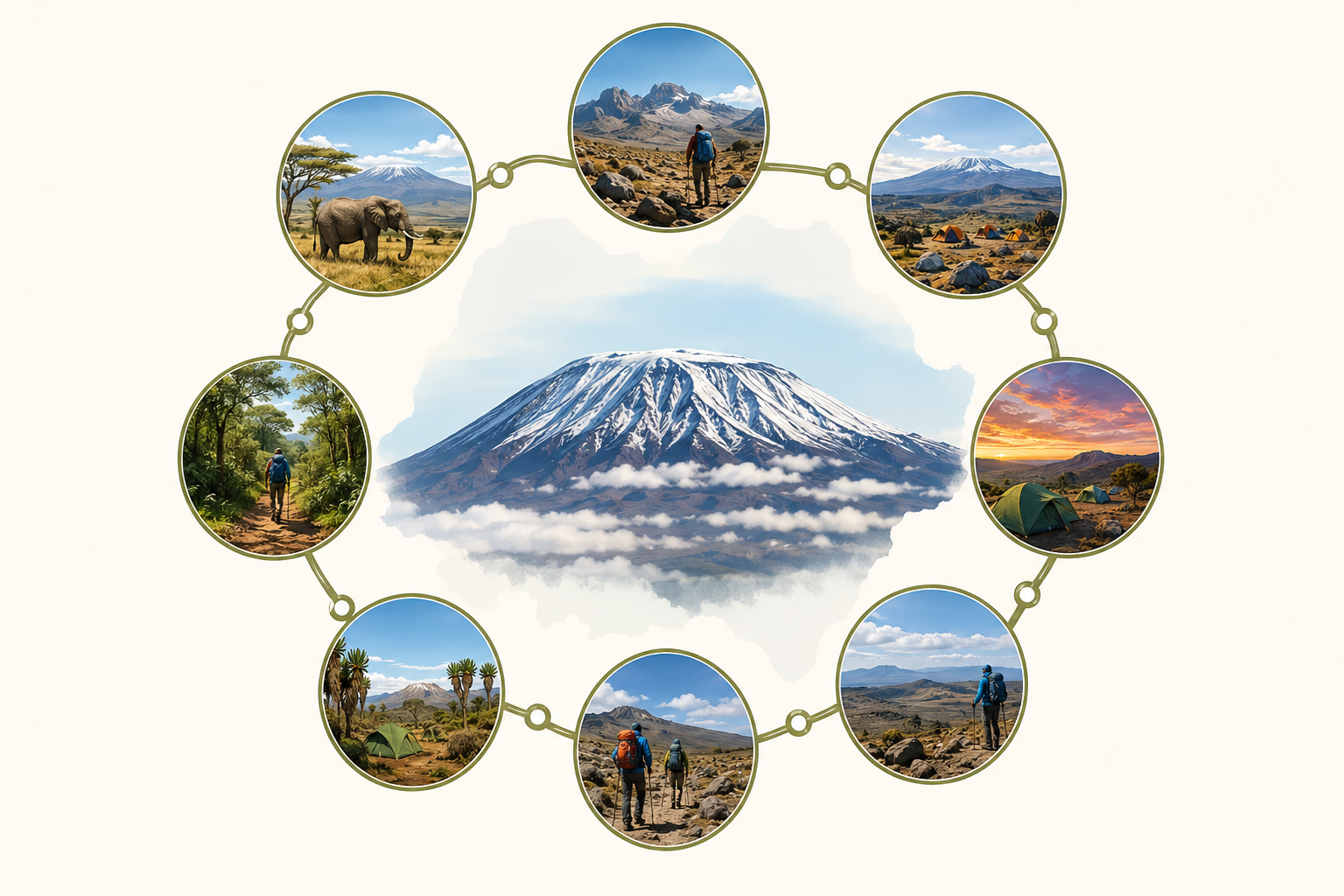
The Kilimanjaro Northern Circuit route is the longest and most comprehensive way to climb Mount Kilimanjaro, typically taking nine days and offering the highest summit success rates thanks to excellent acclimatization. It is the ideal choice for climbers who want fewer crowds, diverse scenery, and the best possible chance of reaching Uhuru Peak. When choosing a Kilimanjaro route, many travelers focus on one question: “Which route gives me the best chance of reaching the summit?” For many experienced mountain guides, the answer is clear. The Kilimanjaro Northern Circuit route combines: The longest itinerary. Excellent altitude acclimatization. Remote northern trails. Exceptional scenery. Lower visitor numbers. Unlike shorter routes that climb directly toward the summit, the Northern Circuit circles much of the mountain before reaching Uhuru Peak. This extended journey allows your body to adjust naturally to increasing altitude. Growing up in Arusha, our team has seen firsthand how proper acclimatization dramatically improves both the climbing experience and summit success. Rather than rushing to the top, the Northern Circuit encourages climbers to enjoy every stage of the mountain. What Makes the Kilimanjaro Northern Circuit Route Different? The Kilimanjaro Northern Circuit route is unique because it circles the mountain’s remote northern slopes, providing unmatched scenery, quieter trails, and more time to acclimatize than any other Kilimanjaro route. Introduced as Kilimanjaro’s newest major trekking route, the Northern Circuit quickly became popular among experienced hikers. Instead of following the busy southern routes all the way to the summit, climbers continue around the northern side before approaching Kibo Peak. This creates a far more varied adventure. Highlights include: Remote wilderness. Panoramic mountain views. Diverse landscapes. Peaceful campsites. Spectacular sunrise and sunset photography. For many travelers, this feels less like following a trail and more like completing a true mountain expedition. Kilimanjaro Northern Circuit Route Itinerary Overview The Kilimanjaro Northern Circuit route is usually completed over nine days, allowing gradual altitude gain and maximizing acclimatization before the summit attempt. A typical itinerary includes: Day 1: Londorossi Gate to Mti Mkubwa Camp The trek begins through lush rainforest. Expect: Dense vegetation. Birdlife. Colobus monkeys. Beautiful forest scenery. Day 2: Mti Mkubwa to Shira Camp The trail climbs onto the Shira Plateau. Views begin opening across western Kilimanjaro. Day 3: Shira Camp to Moir Hut The scenery becomes increasingly dramatic. Large volcanic formations dominate the landscape. Day 4: Moir Hut to Buffalo Camp The route enters Kilimanjaro’s remote northern side. This is where the Northern Circuit truly becomes unique. Day 5: Buffalo Camp to Third Cave The trail continues across quiet alpine terrain with very few other climbers. Day 6: Third Cave to School Hut Preparation begins for summit night. Day 7: Summit Day Climbers depart before midnight toward: Gilman’s Point. Stella Point. Uhuru Peak (5,895m). Day 8: Descent to Millennium Camp A long descent returns climbers to lower elevations. Day 9: Exit the Mountain The adventure concludes at Mweka Gate. Why the Kilimanjaro Northern Circuit Route Has the Highest Summit Success The Kilimanjaro Northern Circuit route achieves excellent summit success because its longer itinerary gives climbers more time to acclimatize naturally before reaching high altitude. Altitude—not steep terrain—is the biggest challenge on Mount Kilimanjaro. The Northern Circuit addresses this through gradual ascent. Advantages include: Better oxygen adaptation. Reduced fatigue. Lower altitude stress. More recovery time. Improved summit confidence. Rather than climbing quickly, the itinerary follows the internationally recognized principle of “climb high, sleep low” whenever possible. This significantly improves the body’s ability to adjust. Scenery Along the Kilimanjaro Northern Circuit Route The Northern Circuit offers the greatest variety of landscapes on Kilimanjaro, taking climbers through rainforest, moorland, alpine desert, remote northern valleys, and the summit glaciers. One of the route’s greatest strengths is its constantly changing scenery. You experience nearly every ecosystem found on Africa’s highest mountain. These include: Rainforest Home to: Giant trees. Moss-covered trails. Wildlife. Heath and Moorland Characterized by: Giant groundsels. Heather. Expansive plateaus. Alpine Desert A dramatic volcanic landscape with open horizons. Northern Slopes One of Kilimanjaro’s quietest and least visited areas. Arctic Summit The final ascent reveals glaciers, volcanic rock, and panoramic views across Tanzania and Kenya. For photographers, no other Kilimanjaro route offers such varied scenery. Who Should Choose the Kilimanjaro Northern Circuit Route? The Northern Circuit is best suited to climbers who have enough time for a longer trek and want the highest possible summit success with fewer crowds and exceptional scenery. This route is ideal for: First-Time Climbers The gradual ascent improves comfort and confidence. Photographers The remote northern landscapes provide outstanding opportunities. Experienced Hikers Those wanting Kilimanjaro’s most complete trekking experience. Luxury Adventure Travelers The route pairs beautifully with premium safari and Zanzibar itineraries. Combining the Northern Circuit With a Tanzania Safari After completing the Kilimanjaro Northern Circuit route, many travelers continue with a luxury Tanzania safari featuring Serengeti, Ngorongoro, Tarangire, and Zanzibar. Popular safari combinations include: Serengeti National Park Experience world-famous wildlife and the Great Migration. Our Serengeti and Ngorongoro safari is an excellent continuation. Northern Tanzania Safari Discover: Tarangire National Park. Ngorongoro Crater. Lake Manyara. Serengeti. Our Best of Northern Tanzania itinerary can be fully customized. Extended Tanzania Journey Our Tanzania Explorer combines wildlife, culture, and adventure into one unforgettable itinerary. Planning the Kilimanjaro Northern Circuit Route From the United States US travelers can reach the Kilimanjaro Northern Circuit route via Kilimanjaro International Airport, with convenient international connections from major American cities through Europe or the Middle East. Common departure cities include: New York (JFK) Los Angeles (LAX) Chicago (ORD) Atlanta (ATL) Popular connecting hubs include: Doha Amsterdam Istanbul Nairobi Before traveling, US visitors should prepare: Tanzania visa documentation. Comprehensive travel insurance. Physical training. Quality trekking gear. Our Travel Information section provides everything you need to prepare before arriving in Tanzania. What to Pack for the Kilimanjaro Northern Circuit Route Packing properly for the Kilimanjaro Northern Circuit route is essential because the trek passes through five climate zones over nine days. Layered clothing, quality hiking equipment, and cold-weather gear will keep you comfortable from the rainforest…

Read More
Rongai Route Kilimanjaro
Adventure Travel·

Rongai Route Kilimanjaro | Dry Northern Approach

The Rongai Route Kilimanjaro climb is the only major trekking route that approaches Mount Kilimanjaro from the northern side near the Kenya border. Known for quieter trails, drier conditions, and gradual scenery changes, it is an excellent choice for travelers seeking a more remote mountain experience. Most climbers imagine approaching Mount Kilimanjaro through the lush southern forests. The Rongai Route Kilimanjaro offers something different. Starting near the Kenyan border, this route climbs through a quieter and drier landscape before joining the main summit paths near Kibo. Its unique characteristics include: Fewer crowds. A remote wilderness feeling. A gradual ascent profile. Better conditions during some rainy periods. Incredible views of Kilimanjaro’s northern slopes. Growing up in Arusha, our team knows that choosing the right Kilimanjaro route is one of the most important decisions travelers make before arriving in Tanzania. The mountain is the same. The experience is completely different depending on your chosen path. For travelers combining adventure with a Tanzania safari holiday, Rongai offers an excellent balance between solitude, scenery, and accessibility. Where Does the Rongai Route Kilimanjaro Climb Begin? The Rongai Route Kilimanjaro climb begins on the northern side of Mount Kilimanjaro near the Kenya-Tanzania border. This remote starting point creates a quieter trekking experience compared with southern routes. The Rongai trailhead is located near the village of Rongai. The route begins in a dry agricultural landscape before entering Kilimanjaro’s forest zone. Unlike routes beginning near Moshi, Rongai approaches the mountain from a less-developed side. The journey provides views of: Rural Tanzania. Farmland. Open landscapes. Northern Kilimanjaro scenery. Because of its location, Rongai is particularly attractive for travelers who want a less crowded route. The first days often feel more isolated, allowing climbers to experience the mountain in a more peaceful way. Why Choose the Rongai Route Kilimanjaro Climb? The Rongai Route Kilimanjaro climb is popular because it offers quieter trails, beautiful scenery, and a gradual approach that appeals to hikers wanting a more remote Kilimanjaro experience. There are several reasons travelers choose Rongai. 1. Fewer Crowds Compared with popular southern routes, Rongai usually has a calmer atmosphere. Benefits include: Less trail congestion. More peaceful camps. Better opportunities to enjoy nature. 2. Drier Northern Conditions The northern side of Kilimanjaro receives less rainfall than some southern approaches. This makes Rongai attractive during: Rainy seasons. Shoulder travel periods. 3. Remote Wilderness Feeling The route passes through areas with fewer visitors. The experience feels closer to a true mountain expedition. 4. Gradual Scenery Changes The landscape develops slowly as climbers gain elevation. You move through: Farmland. Forest. Moorland. Alpine desert. Summit terrain. Rongai Route Kilimanjaro Itinerary Overview The Rongai Route Kilimanjaro climb is typically completed in six or seven days, with longer itineraries providing better acclimatization and improved summit preparation. A common seven-day itinerary includes: Day 1: Rongai Gate to Simba Camp The trek begins through farmland and forest. Highlights: Rural landscapes. Wildlife possibilities. First mountain views. Day 2: Simba Camp to Second Cave Camp The route continues through moorland scenery. Views expand toward: Kibo Peak. The surrounding plains. Day 3: Second Cave to Kikelewa Camp The landscape becomes more dramatic. The trail moves toward higher alpine environments. Day 4: Kikelewa Camp to Mawenzi Tarn One of the most scenic sections. Highlights: Mawenzi Peak views. Rocky alpine landscapes. Day 5: Acclimatization Day Time is used to adjust before the summit push. Day 6: Mawenzi Tarn to Kibo Hut The route crosses the saddle between: Mawenzi Peak. Kibo Peak. Day 7: Summit Attempt The climb begins during the night. Goal: Gilman’s Point. Stella Point. Uhuru Peak. Rongai Route Kilimanjaro Difficulty Level The Rongai Route Kilimanjaro climb is considered a moderate-to-challenging trek, mainly because of altitude rather than technical difficulty. A steady pace and proper acclimatization are essential. Rongai does not require technical climbing skills. However, reaching 5,895 meters requires preparation. Challenges include: High altitude. Long trekking days. Cold summit conditions. Physical endurance. A successful climb depends on: Walking slowly. Staying hydrated. Following guide instructions. Allowing time for acclimatization. The mountain rewards patience. The phrase “pole pole” (slowly slowly) is central to Kilimanjaro trekking culture. Rongai Route Kilimanjaro vs Marangu Route Rongai and Marangu are both northern-side approaches, but they offer very different experiences. Rongai provides a quieter wilderness journey, while Marangu offers hut accommodation and a shorter classic route. Feature Rongai Route Marangu Route Starting Point Northern side Southern side Accommodation Camping Mountain huts Crowds Lower Higher Scenery Remote and varied Classic mountain landscapes Duration 6–7 days 5–6 days Best For Quiet adventure Travelers avoiding tents Travelers choosing between the two should consider: Comfort preferences. Time available. Desire for solitude. Trekking style. Combining Rongai Route Kilimanjaro With a Tanzania Safari A Rongai Route Kilimanjaro climb combines perfectly with a Tanzania safari, allowing travelers to experience mountain landscapes followed by world-class wildlife adventures. Many travelers continue their journey after reaching Uhuru Peak. Popular additions include: Serengeti National Park Experience: Lions. Elephants. The Great Migration. Endless plains. Our Serengeti and Ngorongoro safari combines two iconic destinations. Northern Tanzania Circuit Discover: Tarangire National Park. Ngorongoro Crater. Serengeti. Our Best of Northern Tanzania itinerary can be customized around your climb. Extended Tanzania Adventure For travelers wanting more time, our Tanzania Explorer journey combines wildlife, landscapes, and culture. Planning Rongai Route Kilimanjaro From the United States US travelers can plan a Rongai Route Kilimanjaro climb by flying into Kilimanjaro International Airport and beginning their adventure from Arusha or Moshi with local trekking support. Common US departure points include: New York (JFK). Los Angeles (LAX). Chicago (ORD). Atlanta (ATL). Flight connections often include: Doha. Istanbul. Amsterdam. Nairobi. Before departure, travelers should prepare: Tanzania visa requirements. Travel insurance. Hiking equipment. Physical conditioning. Altitude awareness. Our Travel Information guide helps visitors prepare for Tanzania travel. What to Pack for the Rongai Route Kilimanjaro Climb Packing the right clothing and equipment is essential for a successful Rongai Route Kilimanjaro climb. While the northern approach is generally drier, climbers must still prepare for everything from warm daytime temperatures to freezing summit…

Read More
Lake Chala
Travel Experiences·

Lake Chala: The Crater Lake on the Kenya-Tanzania Border Few Safaris Visit

Lake Chala is a breathtaking volcanic crater lake located on the Kenya-Tanzania border, offering turquoise waters, dramatic cliffs, kayaking, hiking, and peaceful landscapes near Mount Kilimanjaro. Unlike Tanzania’s famous safari destinations, Lake Chala remains a quiet escape for travelers seeking authentic experiences away from the crowds. Most visitors arrive in northern Tanzania searching for elephants, lions, and the endless plains of the Serengeti. But beyond the national parks lies another side of Tanzania. A side defined by: Ancient volcanic landscapes. Hidden lakes. Local communities. Mountain views. Quiet moments in nature. Lake Chala is one of these remarkable places. Located on the eastern side of Mount Kilimanjaro, close to the Kenya border, this stunning crater lake offers a completely different experience from a traditional safari. The lake’s deep blue-green waters sit inside a volcanic caldera surrounded by steep cliffs and lush vegetation. For adventurous travelers, it provides an ideal addition to a Tanzania safari holiday. Growing up in Arusha, our team understands that the most memorable journeys often include places beyond the usual routes. While Serengeti safari tours and Ngorongoro remain world-famous, destinations like Lake Chala reveal the hidden beauty of northern Tanzania. Where Is Lake Chala Located? Lake Chala is located approximately 30 kilometers east of Mount Kilimanjaro near the Kenya-Tanzania border, making it accessible from both Moshi and Arusha. Lake Chala sits within the Kilimanjaro region on the eastern slopes of Africa’s highest mountain. Its location makes it a convenient addition to several northern Tanzania itineraries. Approximate travel times: From Moshi: Around 1–1.5 hours. From Arusha: Around 3 hours. From Kilimanjaro International Airport: Around 1.5 hours. The journey to Lake Chala takes visitors through rural landscapes filled with: Coffee farms. Villages. Banana plantations. Maasai communities. Views toward Mount Kilimanjaro. Unlike busy tourist attractions, the road itself becomes part of the experience. Travelers have the opportunity to see everyday life in northern Tanzania beyond the safari circuit. The Natural Beauty of Lake Chala Lake Chala is famous for its crystal-clear turquoise waters, dramatic crater walls, and peaceful surroundings that create one of northern Tanzania’s most unique landscapes. The lake was formed thousands of years ago through volcanic activity connected to the Kilimanjaro region. Today, it covers a deep volcanic basin surrounded by forest and rocky cliffs. The scenery changes throughout the day. Morning light creates reflections across the water. Afternoon sunshine highlights the lake’s incredible blue colors. Sunset transforms the surrounding cliffs into dramatic silhouettes. The landscape provides excellent opportunities for: Photography. Nature walks. Relaxation. Birdwatching. Kayaking. For travelers who enjoy destinations that feel untouched, Lake Chala offers exactly that atmosphere. Kayaking on Lake Chala Kayaking is one of the best ways to experience Lake Chala, allowing visitors to explore the calm turquoise waters while surrounded by volcanic cliffs and forest. Unlike many activities in Tanzania that focus on wildlife viewing, Lake Chala offers a peaceful water-based adventure. A kayaking experience allows travelers to: Paddle across clear water. Enjoy incredible views. Observe birds along the shoreline. Experience the lake from a different perspective. The calm conditions make kayaking suitable for beginners. It is also a wonderful activity for couples, families, and travelers looking for a relaxing outdoor experience. The silence of the lake creates a memorable contrast after days of safari driving. Hiking the Lake Chala Crater Rim The Lake Chala crater rim hike provides spectacular views over the lake, surrounding forests, and the distant landscapes of northern Tanzania. Walking around Lake Chala reveals the dramatic geology of this volcanic environment. The trails provide viewpoints overlooking: The turquoise lake below. Forest-covered cliffs. Kenya’s landscapes across the border. Mount Kilimanjaro on clear days. The hike can be adapted depending on fitness level and available time. Travelers should bring: Comfortable walking shoes. Water. Sun protection. A camera. For photographers, the viewpoints around the crater edge offer some of the most rewarding landscapes near Kilimanjaro. Why Add Lake Chala to a Tanzania Safari Holiday? Lake Chala adds variety to a Tanzania safari holiday by combining nature, adventure, and relaxation between wildlife destinations such as Tarangire, Ngorongoro, and Serengeti. A great Tanzania itinerary is not only about national parks. The most memorable journeys often combine different environments. Lake Chala works beautifully alongside: Mount Kilimanjaro A perfect addition before or after a mountain climb. Moshi An easy day trip from this mountain town. Arusha A relaxing stop before beginning a safari. Northern Circuit Safaris Lake Chala can complement classic wildlife routes. Our Best of Northern Tanzania itinerary can be customized to include unique experiences beyond the main parks. For travelers wanting a longer adventure, our Tanzania Explorer journey allows more time to discover Tanzania’s landscapes and cultures. Lake Chala for Photography Lovers Lake Chala is an exceptional photography destination because of its turquoise water, volcanic cliffs, forest landscapes, and dramatic Mount Kilimanjaro surroundings. While a traditional photographic safari focuses on wildlife, Lake Chala offers a different creative experience. Photographers can capture: Reflections on the lake. Cliff formations. Local landscapes. Birdlife. Sunrise and sunset scenes. Recommended equipment: Wide-angle lens for landscapes. Polarizing filter for water photography. Tripod for sunrise and sunset shots. Lightweight camera bag for hiking. For travelers interested in professional wildlife photography, our Photographic Safaris provide specialist experiences across Tanzania’s best wildlife locations. Best Time to Visit Lake Chala Lake Chala can be visited throughout the year, but the best months are usually during Tanzania’s dry seasons when hiking conditions are easier and views are clearer. Popular visiting periods include: June to October Advantages: Dry weather. Comfortable temperatures. Excellent hiking conditions. Clearer mountain views. January to February Advantages: Warm weather. Great conditions before safari adventures. Beautiful landscapes. Green Season Advantages: Lush vegetation. Fewer visitors. Vibrant scenery. Each season creates a different atmosphere, making Lake Chala a rewarding destination year-round. A Luxury Lake Chala Experience: Private, Peaceful, and Personal A private Lake Chala experience allows travelers to enjoy this hidden crater lake at a relaxed pace with comfortable transport, flexible timing, and local expertise. It is an ideal addition to luxury safari packages and…

Read More
Chemka Hot Springs
Travel Experiences·

Chemka Hot Springs: The Turquoise Oasis Between Kilimanjaro and Arusha

Chemka Hot Springs is one of northern Tanzania’s most beautiful hidden escapes, offering crystal-clear turquoise waters surrounded by tropical vegetation between Mount Kilimanjaro and Arusha. It is the perfect relaxing addition before or after a safari, Kilimanjaro climb, or Tanzania adventure. After days of climbing mountains, exploring national parks, or traveling long distances across Tanzania, few experiences feel as refreshing as stepping into the warm waters of Chemka Hot Springs. Also known locally as Kikuletwa Hot Springs, this natural oasis provides a peaceful contrast to the dramatic landscapes surrounding northern Tanzania. Unlike traditional hot springs formed by volcanic activity, Chemka is a unique underground water system where clear spring water emerges through the earth before flowing into beautiful natural pools. The result is a stunning swimming location featuring: Crystal-clear turquoise water. Large fig trees providing shade. Tropical surroundings. A peaceful atmosphere away from busy tourist routes. Growing up in Arusha, our team knows that some of Tanzania’s most memorable moments happen outside the famous safari parks. Wildlife may attract visitors from around the world, but places like Chemka reveal another side of Tanzania—the landscapes, communities, and hidden natural treasures that make this country extraordinary. Where Is Chemka Hot Springs Located? Chemka Hot Springs is located near the village of Rundugai in the Kilimanjaro region, approximately halfway between Moshi and Arusha. Its convenient location makes it an ideal day trip from either destination. Chemka is approximately: 40–50 km from Moshi. Around 70 km from Arusha. Close to Mount Kilimanjaro’s southern foothills. Its location makes it easy to include in several Tanzania itineraries. Popular combinations include: Before a Kilimanjaro climb. After completing Kilimanjaro. Between safari destinations. As a relaxing Arusha day trip. The journey itself offers beautiful views of rural Tanzania, including: Local villages. Farmland. Mountain landscapes. Maasai communities. Open countryside. For travelers wanting to experience more than national parks, Chemka provides an authentic glimpse into everyday Tanzanian life. Why Visit Chemka Hot Springs? Chemka Hot Springs offers travelers a unique combination of relaxation, adventure, and natural beauty. Its warm turquoise waters, peaceful surroundings, and easy accessibility make it one of northern Tanzania’s best day trips. There are many reasons travelers choose to visit Chemka. A Natural Swimming Paradise The main attraction is the incredible blue-green water. On sunny days, the pool appears almost tropical, with clear visibility beneath the surface. Visitors can: Swim. Relax. Float beneath trees. Enjoy a picnic. Take photographs. The water temperature remains comfortable throughout the year, making it ideal after physical activities. A Peaceful Escape Compared with Tanzania’s famous national parks, Chemka offers a slower experience. There are no safari vehicles searching for wildlife. No long drives. No strict schedules. Just time to relax and enjoy nature. A Perfect Recovery Experience For travelers completing a Kilimanjaro climb, Chemka is especially rewarding. After several days of trekking, muscles need recovery. A peaceful swim surrounded by nature provides the perfect transition before continuing your Tanzania journey. Chemka Hot Springs After Mount Kilimanjaro Chemka Hot Springs is one of the best post-climb experiences after Mount Kilimanjaro, offering tired hikers a relaxing place to rest, swim, and celebrate their achievement. Many visitors combine their Kilimanjaro adventure with nearby experiences. After reaching the summit, travelers often want a gentle activity rather than another demanding excursion. Chemka provides exactly that. A post-climb visit allows guests to: Relax sore muscles. Enjoy warm water. Celebrate with friends and family. Experience local surroundings. Recover before continuing their journey. Growing up in Arusha, our team regularly recommends Chemka as part of a balanced northern Tanzania itinerary. Adventure should be combined with moments of rest. Combining Chemka Hot Springs With a Tanzania Safari Holiday Chemka Hot Springs can easily be added to a Tanzania safari holiday, creating a balanced itinerary that combines relaxation, wildlife, culture, and adventure. A complete Tanzania journey often includes several different experiences. A popular route may include: Arusha and Chemka Start your journey with local experiences and natural attractions. Tarangire National Park Explore: Large elephant herds. Ancient baobab trees. Diverse wildlife. Ngorongoro Crater Discover one of Africa’s greatest wildlife destinations. Serengeti National Park Experience world-famous Serengeti safari tours, predator sightings, and the Great Migration. Our Best of Northern Tanzania itinerary can be customized to include unique experiences like Chemka. For a longer adventure, our Tanzania Explorer journey allows travelers to discover more of the country’s landscapes and cultures. Photography at Chemka Hot Springs Chemka Hot Springs is a fantastic photography location, offering vibrant turquoise water, tropical vegetation, local culture, and dramatic natural scenery. Although Chemka is not a wildlife destination, photographers will find many creative opportunities. Recommended subjects include: Reflections in the clear water. Tropical tree canopies. Swimmers enjoying the pool. Local landscapes. Rural Tanzania scenes. Photography tips: Use Polarizing Filters A polarizer helps reduce reflections and enhances the turquoise color of the water. Visit Early Morning visits often provide: Softer light. Fewer visitors. Better reflections. Bring Protection Protect cameras from: Water splashes. Dust during travel. Humidity. For travelers interested in photography beyond landscapes, our Photographic Safaris offer specialized wildlife photography experiences across Tanzania. Best Time to Visit Chemka Hot Springs Chemka Hot Springs can be visited throughout the year, although the dry seasons often provide the best weather conditions for swimming and outdoor activities. Popular visiting periods include: June to October Benefits: Clear skies. Comfortable temperatures. Excellent travel conditions. January to February Benefits: Warm weather. Great conditions before or after safari. Green Season Benefits: Lush vegetation. Fewer visitors. Beautiful surrounding landscapes. Because Chemka is a year-round attraction, the best time often depends on your wider Tanzania itinerary. Planning Chemka Hot Springs From the United States US travelers can easily include Chemka Hot Springs by flying into Kilimanjaro International Airport and combining the experience with Arusha, Moshi, safari, or Kilimanjaro adventures. Common US departure cities include: New York (JFK). Los Angeles (LAX). Chicago (ORD). Atlanta (ATL). Popular flight connections include: Doha. Istanbul. Amsterdam. Nairobi. After arrival, our team can arrange: Airport transfers. Private vehicles. Local guides. Safari connections. Customized day trips. For practical…

Read More
Materuni Waterfalls
Travel Experiences·

Materuni Waterfalls and Chagga Coffee: The Best Day Trip From Moshi

Materuni Waterfalls is one of the most rewarding day trips from Moshi, combining a beautiful rainforest hike, a spectacular waterfall, and an authentic Chagga coffee experience beneath Mount Kilimanjaro. It is ideal for travelers looking to add culture, nature, and adventure to their Tanzania safari holiday. Many travelers arrive in Moshi with one goal: climbing Mount Kilimanjaro. But the area surrounding this famous mountain offers far more than the summit. Hidden among the green foothills of Kilimanjaro lies Materuni Waterfalls, a breathtaking natural attraction that combines everything visitors love about Tanzania: Tropical landscapes. Local culture. Fresh mountain air. Traditional food. Authentic community experiences. Located near Materuni Village, approximately 15 kilometers from Moshi, this destination provides a perfect half-day or full-day adventure before or after a safari. Unlike many tourist attractions, Materuni offers visitors the chance to connect directly with local communities while exploring one of northern Tanzania’s most beautiful environments. Growing up in Arusha, our team understands that the most memorable Tanzania experiences often happen beyond the famous national parks. Wildlife is only one part of this incredible country. The landscapes, people, traditions, and flavors create the complete story. What Makes Materuni Waterfalls Special? Materuni Waterfalls is special because it combines a dramatic 80-meter waterfall with lush rainforest scenery and a genuine cultural experience with the Chagga people. The journey to Materuni Waterfalls is part of the experience. The route passes through the fertile foothills of Mount Kilimanjaro, where visitors walk through landscapes shaped by generations of farming. Along the way, travelers may see: Banana plantations. Coffee farms. Tropical vegetation. Local villages. Mountain views. The waterfall itself is one of the highest and most impressive around Kilimanjaro. Water plunges from approximately 80 meters above into a natural pool surrounded by dense green forest. The cool mountain environment provides a refreshing contrast to Tanzania’s warmer safari regions. For many travelers, standing beneath the waterfall becomes one of the highlights of their northern Tanzania journey. The Materuni Waterfalls Hiking Experience The Materuni Waterfalls hike is a moderate nature walk through village paths, farmland, and rainforest, making it suitable for travelers with average fitness levels. The hike usually takes between 40 minutes and one hour each way, depending on walking speed and conditions. Unlike a technical mountain trek, the route is accessible for most active travelers. The trail passes through: Coffee plantations. Banana farms. Small streams. Forest pathways. Scenic viewpoints. Along the way, local guides explain the area’s environment and culture. Visitors learn about: Traditional farming methods. Local plant species. Chagga community history. Daily village life. The experience is not just about reaching the waterfall. The journey itself provides insight into the relationship between people and the mountain landscape. Chagga Coffee Tour: Discover Tanzania’s Coffee Culture The Chagga coffee experience at Materuni introduces visitors to traditional coffee production, from growing and harvesting beans to roasting and preparing a fresh cup using local methods. Tanzania is one of Africa’s most respected coffee-producing countries. The slopes around Mount Kilimanjaro provide ideal conditions for coffee cultivation because of: Volcanic soil. High elevation. Reliable rainfall. Cool mountain temperatures. The Chagga people have cultivated coffee for generations, and a Materuni coffee tour offers an authentic opportunity to learn their traditions. Visitors typically experience the complete process: Coffee Growing Local farmers explain how coffee plants are cultivated beneath the Kilimanjaro ecosystem. Coffee Harvesting Guests learn how ripe coffee cherries are selected and collected. Processing The beans are: Removed from the fruit. Dried. Sorted. Prepared for roasting. Traditional Roasting Visitors participate in roasting green coffee beans over a fire. Grinding and Tasting The final step is preparing and enjoying fresh Tanzanian coffee. The aroma of freshly roasted coffee combined with mountain scenery creates an unforgettable cultural experience. Why Materuni Waterfalls Is Perfect Before or After a Safari Materuni Waterfalls is an excellent addition to a Tanzania safari because it combines easily with Arusha, Moshi, Kilimanjaro, and Northern Circuit adventures. Many travelers fly into Kilimanjaro International Airport before beginning their safari. Instead of immediately moving between destinations, Materuni provides a relaxing introduction to Tanzania. It works especially well: Before a Safari A Materuni visit allows travelers to: Recover after international flights. Experience local culture. Enjoy nature before game drives begin. After a Safari Following days of wildlife viewing, the waterfall provides: A refreshing change of scenery. A slower cultural experience. A chance to explore Tanzania beyond wildlife. It pairs beautifully with: Serengeti. Ngorongoro Crater. Tarangire National Park. Mount Kilimanjaro. Our Best of Northern Tanzania itinerary can be customized to include cultural experiences like Materuni. The Chagga People and Local Culture A visit to Materuni Waterfalls offers travelers meaningful insight into Chagga traditions, farming practices, and the communities living around Mount Kilimanjaro. The Chagga are one of Tanzania’s most recognized ethnic groups. Their homeland is located on the fertile southern slopes of Mount Kilimanjaro. Historically, Chagga communities developed sophisticated agricultural systems that allowed farming in mountainous environments. Traditional crops include: Coffee. Bananas. Beans. Vegetables. Visitors to Materuni learn how these agricultural traditions continue today. A responsible cultural experience allows travelers to interact respectfully with local communities while supporting village-based tourism. At Odysseys From Africa, we believe authentic travel should benefit both visitors and local communities. Best Time to Visit Materuni Waterfalls Materuni Waterfalls can be visited throughout the year, but the best months are generally during Tanzania’s drier periods when hiking conditions are easier and mountain views are clearer. Each season offers something different. Dry Seasons Generally: June to October. January to February. Benefits include: Easier hiking trails. Better visibility. Comfortable temperatures. Clearer Kilimanjaro views. Green Seasons During rainy periods: The forest becomes especially lush. The waterfall flow increases. Coffee plantations appear vibrant. Photography conditions can be dramatic. For photographers, the green season can produce some of the most beautiful images because of the rich vegetation and powerful waterfall flow. Photography Tips for Materuni Waterfalls Materuni Waterfalls offers excellent photography opportunities, from long-exposure waterfall images to cultural portraits and mountain landscapes. Recommended equipment: Wide-angle lens for waterfall landscapes. Polarizing filter to…

Read More
Mount Meru climb

Mount Meru Climb: Tanzania’s Best Kilimanjaro Warm-Up in Four Days

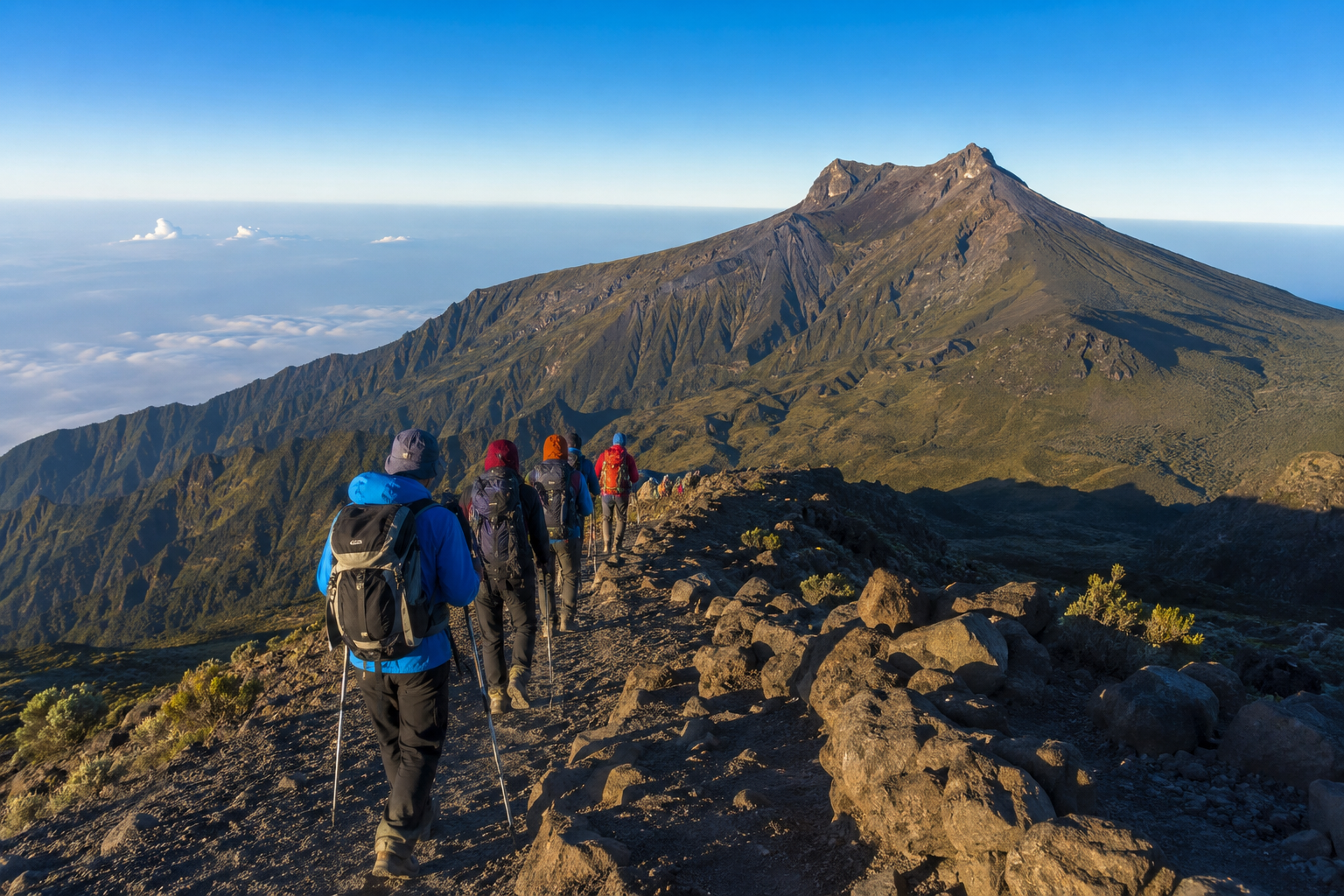
A Mount Meru climb offers one of Tanzania’s most rewarding trekking experiences, combining dramatic landscapes, abundant wildlife, and excellent altitude preparation before attempting Mount Kilimanjaro. Located near Arusha, Mount Meru provides a challenging yet achievable four-day adventure through forests, volcanic landscapes, and spectacular viewpoints. For US travellers planning a Kilimanjaro expedition, a Mount Meru climb is an ideal way to prepare both physically and mentally for Africa’s highest mountain. The route introduces you to high-altitude trekking, mountain routines, and Tanzania’s unique natural environment while allowing your body to adjust before reaching greater elevations. With a locally based trekking team in Arusha, Odysseys From Africa provides expert guidance, professional mountain support, and authentic Tanzanian knowledge to make your adventure safe, comfortable, and memorable. Before travelling, explore our Tanzania travel information and trekking preparation guides for useful details about visas, packing lists, weather conditions, and preparing for your journey from the United States. Mount Meru Climb: Why Tanzania’s Fourth-Day Trek Is the Ultimate Kilimanjaro Warm-Up A Mount Meru climb is one of the best preparation treks for Kilimanjaro because it builds altitude experience, improves hiking confidence, and introduces climbers to Tanzania’s mountain environment. The four-day route combines challenging terrain, wildlife encounters, and gradual acclimatisation before a higher summit attempt. Standing at 4,566 metres (14,980 feet), Mount Meru is Tanzania’s second-highest mountain and one of East Africa’s most impressive volcanic peaks. Although it receives less attention than Kilimanjaro, experienced trekkers often consider Mount Meru a hidden gem. The mountain offers a more intimate wilderness experience, fewer crowds, and a dramatic summit approach along the crater rim. For travellers arriving from the United States, adding Mount Meru before Kilimanjaro provides several advantages: Helps your body adjust to altitude Builds confidence before summit night Allows testing of hiking equipment Provides experience camping or staying in mountain huts Offers incredible wildlife viewing opportunities Creates a more complete Tanzania adventure Many climbers choose to combine their trekking experience with a safari after descending. Explore our carefully designed Tanzania safari experiences to continue your journey through Tanzania’s iconic wildlife destinations. What Makes the Mount Meru Climb Different From Kilimanjaro? The Mount Meru climb provides a shorter but highly rewarding mountain experience that prepares travellers for Kilimanjaro through altitude exposure, technical sections, and changing ecosystems. Unlike Kilimanjaro, Mount Meru offers a quieter trail with a stronger wilderness feeling. Many travellers assume Kilimanjaro is the only worthwhile mountain experience in Tanzania, but Mount Meru offers unique advantages. The mountain is located inside Arusha National Park, meaning the trek begins in an area where wildlife can be encountered along the lower sections of the route. It is common to see: Giraffes near the forest boundary Buffalo and antelope in the park area Monkeys in the rainforest Diverse bird species This combination of trekking and wildlife makes Mount Meru unlike many other African mountain experiences. Mount Meru Climb vs Kilimanjaro: Which One Should You Choose? Both mountains provide incredible adventures, but they offer different experiences. Feature Mount Meru Kilimanjaro Height 4,566 metres 5,895 metres Duration Usually 4 days Usually 5–9 days Difficulty Challenging More demanding Crowds Less crowded More popular Best for Preparation and adventure Ultimate summit goal A Mount Meru climb is especially valuable before Kilimanjaro because it introduces the realities of high-altitude trekking without immediately facing Africa’s highest peak. Travellers planning a complete Tanzania adventure can also explore our Tanzania trekking and adventure destinations for more ways to combine mountain, wildlife, and cultural experiences. Four-Day Mount Meru Climb Itinerary: Complete Route Breakdown The four-day Mount Meru climb itinerary is designed to maximise acclimatisation while showcasing Tanzania’s forests, volcanic landscapes, and spectacular summit views. Each day increases elevation gradually while allowing climbers to adapt comfortably. The journey normally begins from Arusha, Tanzania’s adventure capital and the headquarters location of many trekking operators. Working with a locally based team provides important advantages, including experienced guides, knowledge of weather patterns, and professional mountain logistics. Day 1: Momella Gate to Miriakamba Hut — Entering Mount Meru’s Wilderness The adventure begins at Momella Gate inside Arusha National Park. After registration, the trek starts through open grasslands before entering the forest zone. This first section is unique because wildlife sightings are possible during the approach. A mountain ranger often accompanies groups because of the wildlife environment around the lower slopes. The first day introduces climbers to: Tanzania’s natural ecosystems Gradual elevation gain Mountain walking pace The importance of hydration and steady movement The trail continues toward Miriakamba Hut, where climbers rest overnight. The views begin opening toward Mount Meru’s dramatic volcanic cliffs, creating the first unforgettable moments of the trek. Day 2: Miriakamba Hut to Saddle Hut — Into the Alpine Zone The second day involves a steady climb through forest and moorland. The trail becomes more dramatic as you approach the Saddle area between Mount Meru’s main summit and Little Meru. This section is important for acclimatisation because your body begins experiencing higher elevations. Highlights include: Changing vegetation zones Views of the Meru crater Mountain landscapes away from crowds Optional acclimatisation hike to Little Meru Many climbers use this afternoon to prepare mentally and physically for the summit attempt. Day 3: Saddle Hut Preparation and Summit Approach Day three focuses on rest, preparation, and adjusting before the final ascent. A short acclimatisation walk toward Little Meru may be included, offering incredible views across Tanzania. From higher viewpoints, climbers can often see Mount Kilimanjaro rising in the distance. This is one of the reasons Mount Meru is such an excellent Kilimanjaro warm-up—the mountain provides both altitude experience and motivation for the larger summit ahead. Plan Your Mount Meru Climb With Odysseys From Africa A successful Mount Meru climb begins with choosing an experienced local trekking partner who understands Tanzania’s mountains, wildlife environments, and high-altitude conditions. At Odysseys From Africa, our Arusha-based team provides expert mountain guidance, personalised itineraries, and authentic local knowledge to help you enjoy a safe and unforgettable trekking experience. Whether you are using Mount Meru as preparation for Kilimanjaro, planning a standalone…

Read More