Wild Adventures, Timeless Memories…

Odysseys From Africa

Safari Blog

Guides, itineraries and field notes from our safari specialists in Arusha — everything you need to plan your Tanzania and Kenya adventure.

Machame Route Kilimanjaro

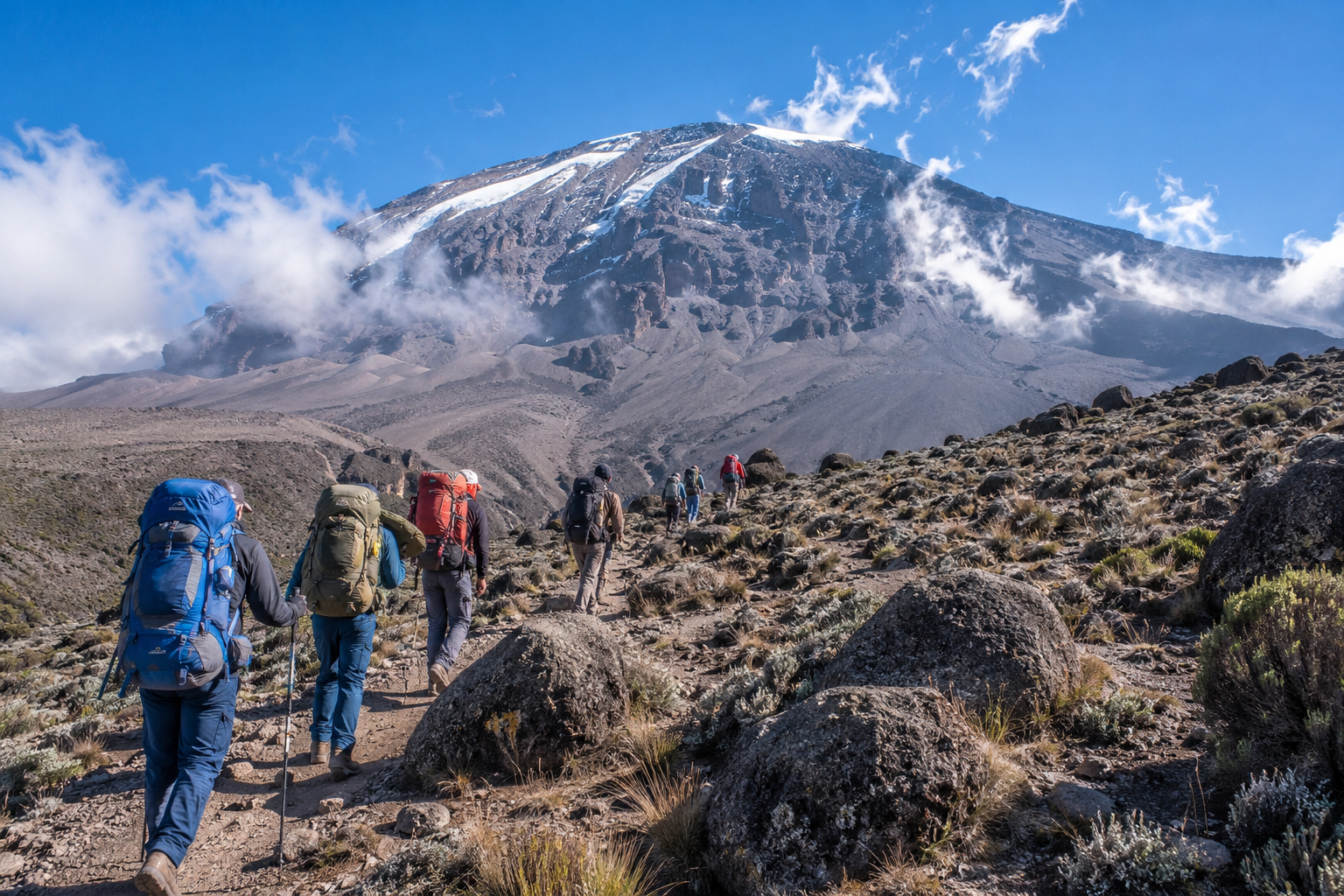
Machame Route Kilimanjaro Climb: Seven Days on the Whiskey Trail

A Machame Route Kilimanjaro climb is one of the most iconic ways to reach the summit of Africa’s highest mountain, combining dramatic scenery, challenging terrain, and excellent acclimatisation opportunities. Known as the “Whiskey Route,” this seven-day trek attracts adventurous travellers who want a rewarding Kilimanjaro experience with a strong balance of wilderness, difficulty, and summit preparation. For US travellers planning an unforgettable African adventure, the Machame Route offers a true mountain expedition through Tanzania’s changing ecosystems. From rainforest trails near the mountain’s base to the glaciers of Uhuru Peak, every day delivers a new landscape. With a professional Tanzanian trekking team based in Arusha, climbers receive expert guidance, local knowledge, and carefully planned support throughout the journey. Before your climb, explore our Tanzania travel information and trekking preparation guides for practical advice on visas, packing, weather, and preparing for your journey from the United States to Tanzania. Machame Route Kilimanjaro: Why the Whiskey Trail Remains a Favourite Choice The Machame Route Kilimanjaro climb is one of the most popular summit routes because it combines spectacular scenery, gradual acclimatisation, and a challenging trekking experience. The seven-day itinerary gives climbers time to adjust to altitude while crossing some of Mount Kilimanjaro’s most beautiful landscapes. The Machame Route Kilimanjaro approaches Mount Kilimanjaro from the southern side and is famous for its dramatic trail design. Unlike the gentler Marangu Route, Machame follows a more adventurous path with steeper sections, valleys, ridges, and varied terrain. The nickname “Whiskey Route” comes from its reputation as a more demanding alternative to the easier “Coca-Cola Route” (Marangu). However, with proper preparation and an experienced guide team, it is achievable for many determined hikers. What Makes the Machame Route Kilimanjaro Climb Special? The route has earned its reputation because it provides a complete mountain experience rather than simply a path to the summit. Key advantages include: Beautiful scenery: Experience rainforest, moorland, alpine desert, and glacier landscapes. Strong acclimatisation profile: The route includes valuable altitude gains and descents. Adventure atmosphere: Steeper trails create a true trekking expedition feeling. Excellent photography opportunities: Every section offers dramatic views of Kilimanjaro. Local expert support: Tanzanian guides understand mountain conditions and climber needs. Many travellers choose Machame because they want more than a summit certificate—they want the journey itself to be memorable. For travellers combining their mountain climb with wildlife exploration, our Tanzania safari experiences and adventure packages provide opportunities to experience Serengeti, Ngorongoro, and other iconic destinations after your trek. Seven-Day Machame Route Kilimanjaro Itinerary: Day-by-Day Breakdown The seven-day Machame Route Kilimanjaro itinerary is designed to balance challenging trekking with proper altitude adjustment. Each day increases elevation gradually while allowing climbers to experience the mountain’s changing environments. Most international travellers begin their journey by arriving through Kilimanjaro International Airport before transferring to Arusha for preparation. Arusha is the main gateway for Kilimanjaro expeditions, and choosing a locally based trekking company offers advantages including experienced guides, direct support, and knowledge of current mountain conditions. Day 1: Machame Gate to Machame Camp — Entering Kilimanjaro’s Rainforest The adventure begins at Machame Gate, located on the southern slopes of Mount Kilimanjaro. After registration and final preparations, the trail enters the dense rainforest zone. This section introduces climbers to the mountain environment with a steady uphill walk beneath towering trees and tropical vegetation. The rainforest is home to unique wildlife, including monkeys and colourful bird species. The first day focuses on: Adjusting to the trekking rhythm Meeting your mountain crew Testing equipment Beginning gradual altitude adaptation Machame Camp provides the first overnight experience on the mountain. Day 2: Machame Camp to Shira Camp — Leaving the Forest Behind As the Machame Route Kilimanjaro climb continues, the landscape changes dramatically. The trail leaves the rainforest and enters the heather and moorland zone, where views become wider and Kilimanjaro’s volcanic terrain becomes more visible. This is one of the first moments when climbers appreciate the scale of the mountain. The day involves steady climbing, but the pace remains controlled to support acclimatisation. Highlights include: Expansive views across Tanzania Unique high-altitude vegetation First major views toward Kibo Peak A stronger sense of mountain adventure Day 3: Shira Camp to Lava Tower to Barranco Camp — The Acclimatisation Test This is one of the most important days on the Machame Route Kilimanjaro climb. The trail rises toward Lava Tower at approximately 4,600 metres before descending to Barranco Camp. This route design follows the proven acclimatisation principle: Climb high, sleep lower. By reaching a higher elevation during the day and sleeping lower at night, your body has more opportunity to adapt. This stage often determines how climbers respond to altitude and highlights the importance of a longer itinerary. The landscape becomes increasingly dramatic, with volcanic rock formations, deep valleys, and views of Kilimanjaro’s southern glaciers. Day 4: Barranco Camp to Karanga Camp — The Famous Barranco Wall The Barranco Wall is one of the most memorable sections of the Machame Route Kilimanjaro climb. Although it appears intimidating, it is a non-technical scrambling section where climbers use hands and feet for balance while following the guidance of experienced mountain guides. The challenge is more about confidence and steady movement than technical climbing ability. Reaching Karanga Camp provides: Continued acclimatisation A shorter recovery-focused trekking day Stunning views of the mountain landscape Preparation for the final summit approach Day 5: Karanga Camp to Barafu Camp — Final Summit Preparation The trail continues toward Barafu Camp, the final base before the summit attempt. The environment changes into a high alpine desert, with rocky terrain and powerful views across Mount Kilimanjaro. At Barafu Camp, climbers rest and prepare for the demanding summit night. Your guide team will review: Summit timing Clothing layers Hydration strategy Headlamp preparation Altitude awareness A well-organised mountain team ensures every climber understands what to expect before beginning the final ascent. For travellers interested in extending their Tanzanian adventure after the climb, consider combining Kilimanjaro with a relaxing coastal escape through our Zanzibar travel experiences. Plan Your Machame Route Kilimanjaro Climb With Odysseys…

Read More
Lemosho Route Kilimanjaro

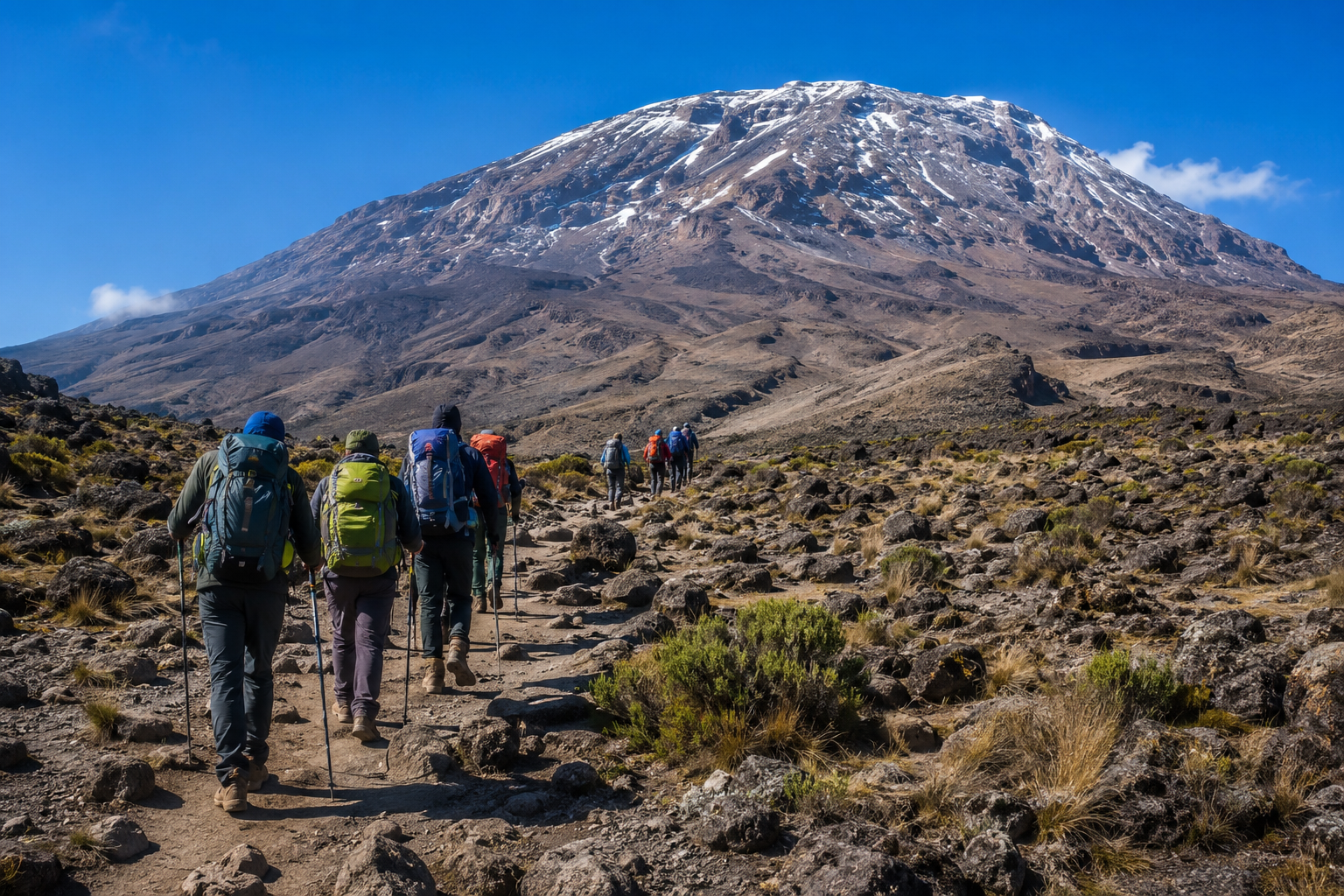
Lemosho Route Kilimanjaro Climb: Eight Days and the Best Acclimatisation on the Mountain

A Lemosho Route Kilimanjaro climb is one of the most rewarding ways to summit Africa’s highest mountain, offering exceptional acclimatisation, spectacular landscapes, and a quieter trekking experience. For US travellers looking for a premium African adventure, this eight-day route combines expert Tanzanian guides, careful altitude management, and authentic mountain experiences. Starting from the western slopes of Mount Kilimanjaro, the Lemosho Route takes climbers through ancient rainforest, volcanic landscapes, alpine desert, and the final icy summit zone. With a locally based team in Arusha providing professional support, every stage of your journey is designed around safety, comfort, and your best chance of reaching Uhuru Peak. Before planning your climb, explore our detailed Tanzania travel information and trekking preparation guides to understand entry requirements, packing recommendations, and practical advice for travelling from the United States to Tanzania. Lemosho Route Kilimanjaro: Why This Eight-Day Climb Offers Superior Acclimatisation The Lemosho Route Kilimanjaro climb is one of the best choices for travellers seeking a safer and more comfortable summit experience because it allows gradual altitude adjustment over eight days. The route combines scenic variety, fewer crowds, and a proven acclimatisation profile that improves summit preparation. Altitude is the greatest challenge on Mount Kilimanjaro. While physical fitness is important, your body’s ability to adapt to lower oxygen levels often determines summit success. The Lemosho Route is designed around a gradual approach, giving climbers more time to adjust compared with shorter itineraries. This makes it particularly popular among first-time high-altitude trekkers and travellers who have invested significant time and resources travelling from the United States. What Makes the Lemosho Route Kilimanjaro Climb Different? Unlike some faster routes, Lemosho begins in a remote area on the western side of Kilimanjaro. The first days feel like a true wilderness expedition, with fewer hikers and a greater connection to Tanzania’s natural environment. Key advantages include: Excellent acclimatisation profile: More days allow your body to adjust naturally. Scenic diversity: Experience five ecological zones from rainforest to glacier. Lower early congestion: The route starts away from the busiest trail sections. Expert mountain support: Local guides understand weather patterns, altitude challenges, and mountain conditions. Ideal for international travellers: The longer itinerary makes the journey from the US more worthwhile. Many climbers combine their Kilimanjaro adventure with a wildlife experience afterward. Our Tanzania safari packages combining mountain and wildlife experiences allow travellers to experience the best of Tanzania beyond the summit. Lemosho Route Kilimanjaro Eight-Day Itinerary: Day-by-Day Mountain Journey The eight-day Lemosho Route Kilimanjaro itinerary is carefully structured to maximise acclimatisation while allowing climbers to enjoy Tanzania’s changing landscapes. Each day balances trekking distance, altitude gain, and recovery time to create a stronger summit strategy. A typical Lemosho Route adventure begins after arrival at Kilimanjaro International Airport, followed by preparation in Arusha before transferring to the mountain. Arusha is the main gateway for Kilimanjaro climbs, and working with a locally based trekking company provides important advantages, including direct communication, experienced mountain crews, and detailed knowledge of current trail conditions. Day 1: Londorossi Gate to Mti Mkubwa Camp — Entering the Lemosho Route Kilimanjaro Wilderness The first day of the Lemosho Route Kilimanjaro climb begins at Londorossi Gate on the western side of the mountain. After registration, the trail enters the lush rainforest zone where towering trees, moss-covered landscapes, and tropical birdlife create a peaceful introduction to the mountain. This first section is intentionally gradual. Rather than pushing hard immediately, climbers begin adapting to the walking rhythm, altitude changes, and mountain environment. Highlights include: First views of Kilimanjaro’s protected wilderness Rainforest scenery unique to the western approach Introduction to the mountain crew Gentle preparation for higher elevations The overnight stay at Mti Mkubwa Camp allows climbers to rest before continuing deeper into the mountain. Day 2: Mti Mkubwa Camp to Shira Camp 1 — From Forest to Open Highlands As the trail climbs higher, the rainforest gradually disappears and the landscape changes into the heather and moorland zone. The transition is one of the most impressive parts of the Lemosho Route Kilimanjaro experience. Within a short period, climbers move from dense forest into open volcanic landscapes with views toward the summit. The Shira Plateau is one of Kilimanjaro’s most remarkable areas. This ancient volcanic plateau provides wide views and an opportunity to appreciate the scale of the mountain. A slower pace is encouraged because the goal is not simply to gain altitude—it is to allow the body to adapt. Day 3: Shira Camp to Lava Tower and Barranco Camp — The Key Acclimatisation Day This stage is considered one of the most important acclimatisation sections of the Lemosho Route Kilimanjaro climb. The trail rises toward Lava Tower at approximately 4,600 metres before descending to Barranco Camp. This “climb high, sleep lower” approach is widely used in high-altitude trekking because it exposes the body to increased elevation while allowing recovery overnight. During this day, climbers experience: Dramatic volcanic formations Expansive views across Kilimanjaro The first major altitude test Improved preparation for summit night Barranco Camp is often considered one of the most beautiful camps on the mountain, surrounded by cliffs and unique alpine vegetation. Day 4: Barranco Camp to Karanga Camp — Conquering the Barranco Wall The famous Barranco Wall provides one of the most memorable moments of the trek. Although the wall appears challenging, it is a manageable scrambling section rather than a technical climb. Experienced guides assist climbers with pacing, foot placement, and confidence. Reaching Karanga Camp marks another important step toward summit preparation. The shorter trekking day provides valuable recovery time while maintaining steady altitude progression. Day 5: Karanga Camp to Barafu Camp — Preparing for Summit Night The final approach to base camp takes climbers through a high alpine desert environment. Barafu Camp sits at approximately 4,673 metres and serves as the starting point for the summit attempt. Before the final climb, guides provide detailed preparation covering: Summit timing Clothing layers Hydration strategy Personal equipment checks Altitude awareness Travellers interested in extending their Tanzania journey can also explore our carefully…

Read More
Tarangire vs Lake Manyara

Tarangire vs Lake Manyara: Which Park Earns the Day on Your Northern Circuit?

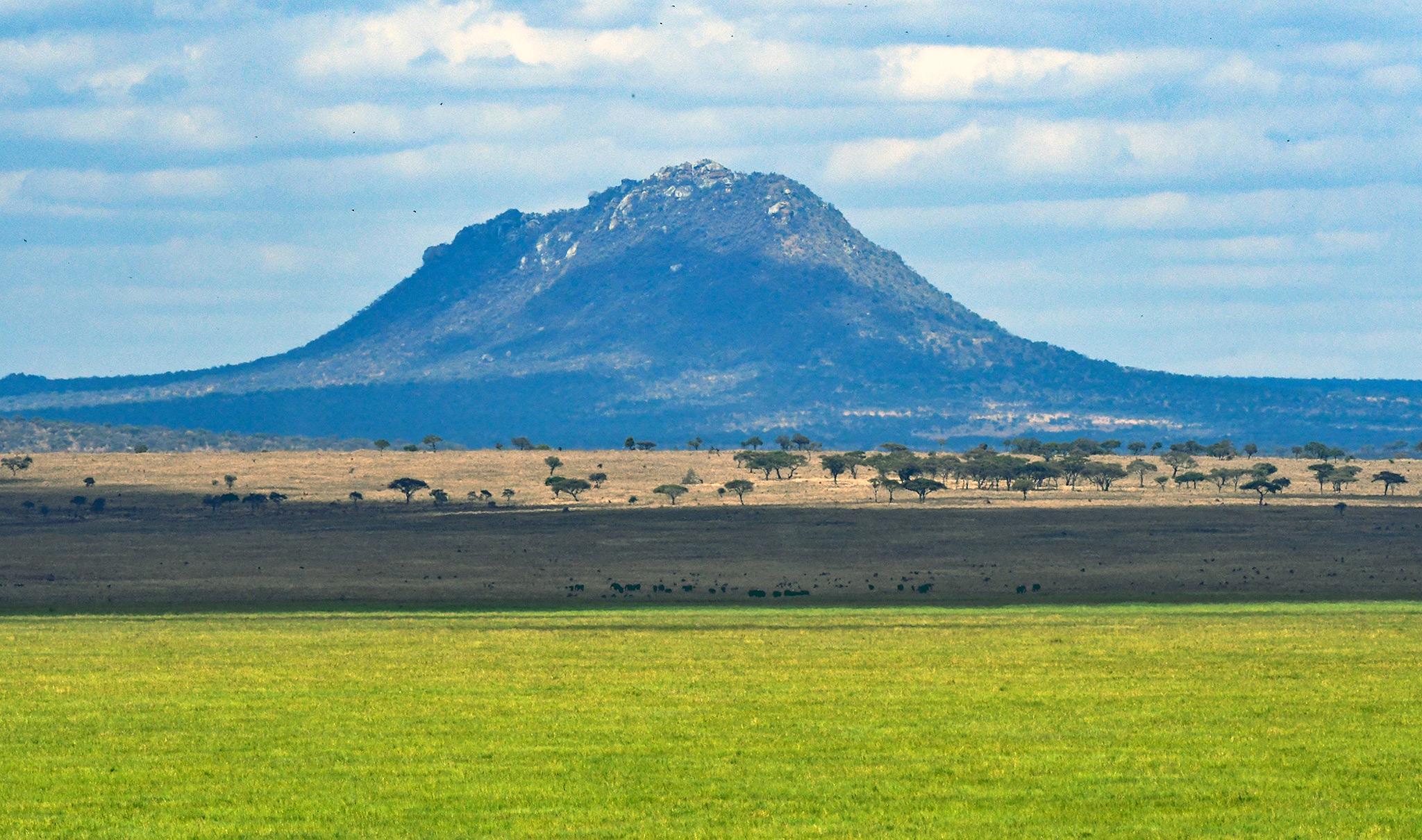
Choosing between Tarangire vs Lake Manyara is one of the most important decisions for travelers planning a Northern Tanzania safari. Both parks offer unforgettable wildlife experiences, but they provide completely different landscapes and adventures. Tarangire is famous for massive elephant herds, ancient baobab trees, and dramatic savannah scenery, while Lake Manyara offers lush forests, flamingos, tree-climbing lions, and unique experiences beyond traditional game drives. For US travelers planning a luxury Tanzania safari holiday, understanding the difference between these two destinations helps create a more rewarding itinerary. Working with a Tanzania-based safari specialist allows visitors to combine the right parks, travel at the best times, and experience the hidden details that make northern Tanzania exceptional. Many travelers include both parks as part of a wider Best of Northern Tanzania safari itinerary that connects Arusha, Tarangire, Lake Manyara, Ngorongoro Crater, and Serengeti. Tarangire vs Lake Manyara: Which Safari Park Is Better for Your Tanzania Adventure? Tarangire vs Lake Manyara depends on the type of safari experience you want. Tarangire is ideal for elephant encounters, baobab landscapes, and classic wildlife viewing, while Lake Manyara delivers forests, birdlife, lions, and diverse ecosystems. The best choice depends on your travel style, safari season, photography interests, and whether you prefer a traditional wildlife experience or a more varied adventure. The question of Tarangire vs Lake Manyara is not about finding one park that is universally better. Instead, it is about matching the destination with your expectations. Northern Tanzania offers some of Africa’s most diverse safari environments. Within a relatively short driving distance from Arusha, travelers can experience completely different ecosystems. Tarangire National Park: The Elephant Kingdom of Northern Tanzania Tarangire National Park is one of Tanzania’s most distinctive wildlife destinations. The park is famous for: Large elephant populations Ancient baobab trees The Tarangire River Seasonal wildlife gatherings Excellent birdwatching During the dry season, animals gather around permanent water sources, creating outstanding game viewing opportunities. The landscape represents the classic image many travelers imagine when planning an African safari: Golden grasslands Towering baobab trees Elephants crossing open plains Quiet wilderness away from crowded destinations For photographers and wildlife enthusiasts, Tarangire offers some of the most dramatic scenes in Tanzania. Lake Manyara National Park: Forests, Flamingos and Unique Safari Experiences Lake Manyara National Park provides a completely different atmosphere from Tarangire. Instead of wide-open plains, visitors discover: Groundwater forests Alkaline lake shores Rift Valley scenery Tree-climbing lions Large bird populations Lake Manyara is particularly attractive for travelers who want more than vehicle-based wildlife viewing. Visitors can enjoy unique experiences such as the Lake Manyara safari experience, including forest exploration, birdwatching, and activities that reveal the park beyond its famous lions. The park is especially suitable for: Families First-time safari travelers Bird photographers Travelers seeking variety Tarangire vs Lake Manyara Wildlife Comparison: Elephants, Lions and Birdlife Tarangire vs Lake Manyara wildlife viewing depends on what animals you want to encounter. Tarangire is stronger for elephant sightings and large wildlife gatherings, while Lake Manyara offers greater habitat diversity with forests, wetlands, and birdlife. Both parks provide excellent safari experiences but showcase Tanzania’s wildlife from different perspectives. Tarangire vs Lake Manyara: Which Park Has Better Wildlife Sightings? Tarangire Wildlife Highlights Tarangire is one of the best parks in Tanzania for elephant viewing. Visitors often experience: Elephant families moving through the landscape Buffalo herds Giraffes feeding among trees Zebras and wildebeest Antelope species Lions and other predators The Tarangire River is the heart of the ecosystem. During dry months, it attracts wildlife from surrounding areas, making game drives highly rewarding. The park’s combination of elephants and baobabs creates some of Tanzania’s most memorable safari photographs. Lake Manyara Wildlife Highlights Lake Manyara offers a different wildlife experience focused on biodiversity. Possible sightings include: Tree-climbing lions Elephants Buffalo Giraffes Hippos Monkeys Flamingos Hundreds of bird species The park’s smaller size allows visitors to experience multiple environments in a single day. A knowledgeable local guide can help travelers understand seasonal movements, animal behavior, and the ecological importance of each habitat. Tarangire vs Lake Manyara: Which Park Is Better for Elephant Sightings? Tarangire is usually the better choice for travelers whose main goal is seeing large elephant herds in a natural wilderness setting. Lake Manyara also has elephants, but Tarangire’s landscape and water sources create some of the strongest elephant encounters on the Northern Circuit. Tarangire elephants are one of the park’s defining attractions. A typical safari moment may include: Elephants walking beneath ancient baobabs Family groups crossing safari roads Young elephants following older members Herds gathering near water sources For travelers who dream of a classic African safari experience, Tarangire often delivers exactly that. Tarangire vs Lake Manyara Scenery: Baobabs, Forests and Landscapes Tarangire vs Lake Manyara scenery offers two completely different versions of Tanzania. Tarangire features open savannah, dramatic baobabs, and river landscapes, while Lake Manyara offers forests, wetlands, and spectacular Rift Valley views. Choosing between them depends on whether you prefer iconic African landscapes or diverse ecosystems within a smaller area. Tarangire Landscapes: Baobabs and Open Wilderness Tarangire’s scenery is one of its greatest strengths. Key landscape features include: Ancient Baobab Trees The giant baobabs create unforgettable views and provide some of the best safari photography opportunities in Tanzania. Tarangire River The river supports wildlife throughout the year and becomes especially important during dry periods. Open Savannah The wide landscapes allow travelers to see animals against beautiful natural backdrops. Lake Manyara Landscapes: Forests, Water and the Rift Valley Lake Manyara’s scenery changes constantly. Highlights include: Groundwater Forest A green forest ecosystem supporting monkeys, elephants, and birdlife. Lake Shoreline The lake attracts flamingos and creates stunning photographic reflections. Rift Valley Escarpment The dramatic cliffs provide one of the most impressive backdrops in northern Tanzania. Tarangire vs Lake Manyara for Photography Safaris: Which Park Wins? Tarangire vs Lake Manyara photography depends on your preferred subjects. Tarangire is ideal for wildlife portraits and landscapes, while Lake Manyara is excellent for birds, forests, and unusual safari perspectives. Both parks are valuable additions for travelers planning a…

Read More
Lake Manyara canopy walkway

Lake Manyara Canopy Walkway, Hot Springs and Night Drives: The Park After the Lions

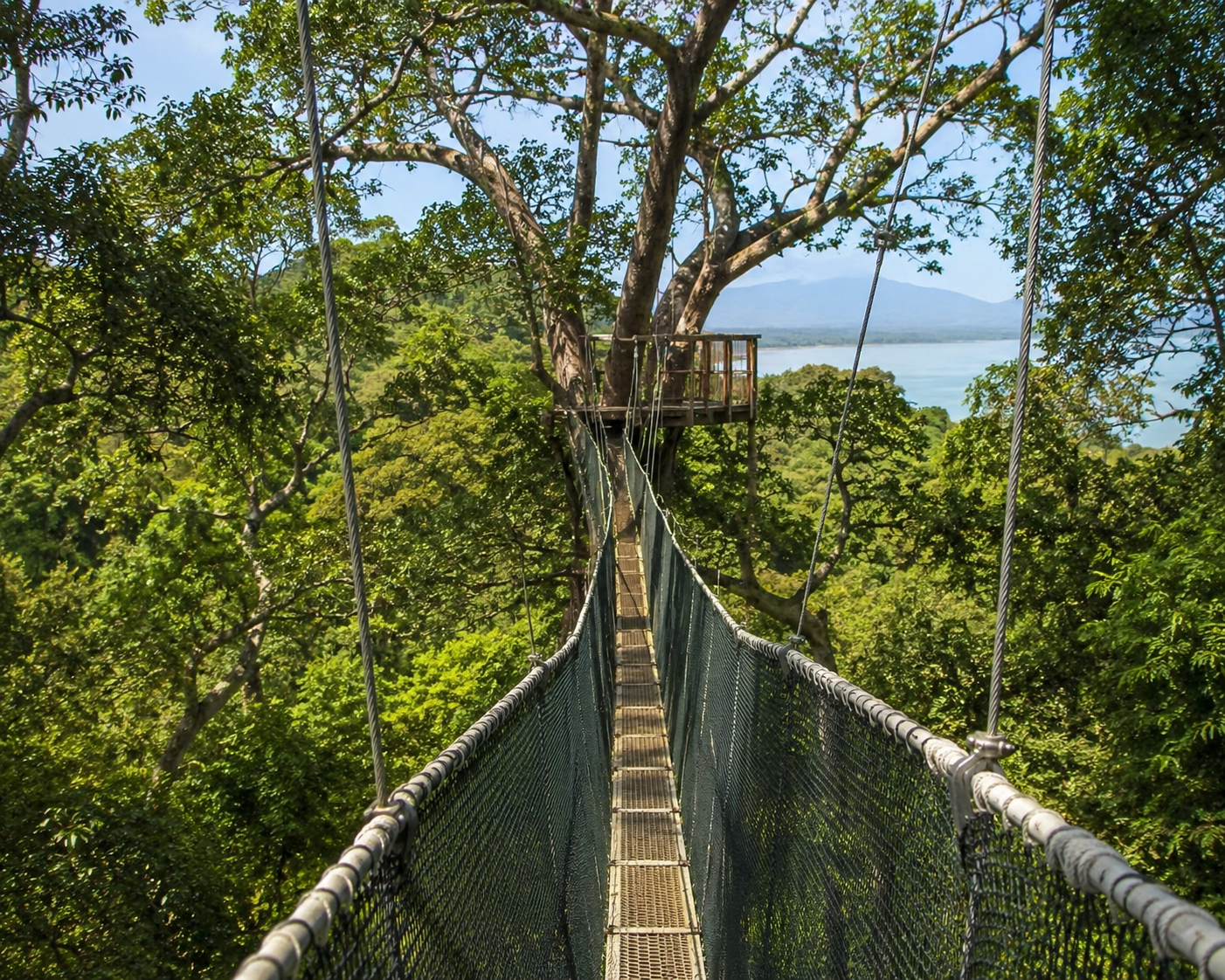
A Lake Manyara canopy walkway adventure reveals a different side of Tanzania beyond the famous tree-climbing lions. For US travelers seeking a luxury Tanzania safari holiday with unique experiences, Lake Manyara National Park combines elevated forest walks, natural hot springs, night drives, and incredible wildlife encounters in one unforgettable destination. Based near Arusha and located along Tanzania’s Northern Safari Circuit, Lake Manyara offers an authentic African safari experience shaped by local knowledge, diverse ecosystems, and hidden experiences often missed by travelers rushing between Serengeti and Ngorongoro. With Odysseys From Africa’s Tanzania-based safari expertise, visitors discover the park beyond its famous lions and experience the landscapes, wildlife, and culture that make this region extraordinary. Lake Manyara Canopy Walkway: Tanzania’s Amazing Forest Adventure Above Wildlife The Lake Manyara canopy walkway is a unique Tanzania safari experience that allows visitors to explore the forest from above while enjoying views of wildlife, birds, and the surrounding landscape.Located inside Lake Manyara National Park, the canopy walkway adds adventure, photography opportunities, and a fresh perspective beyond traditional game drives. Many travelers visiting northern Tanzania focus on the Serengeti Great Migration or Ngorongoro Crater, but Lake Manyara provides a completely different atmosphere. Instead of endless grass plains, visitors enter a lush groundwater forest filled with ancient trees, colorful birds, and primates. The Lake Manyara canopy walkway is one of Tanzania’s most distinctive nature experiences. Suspended high above the forest floor, the walkway allows guests to experience the ecosystem from a bird’s-eye perspective. Unlike a vehicle safari where animals are viewed from a distance, this experience encourages travelers to slow down and appreciate the smaller details of the environment. What Makes the Lake Manyara Canopy Walkway Special? The canopy walkway combines adventure and education. Visitors can enjoy: Elevated views of the forest canopy Birdwatching opportunities Forest photography Guided interpretation from local experts A peaceful alternative to busy safari routes For families, couples, and photographers, this activity adds variety to a Tanzania safari package. The experience is especially valuable for travelers who want more than wildlife sightings. It connects visitors with Tanzania’s ecosystems and conservation efforts. Lake Manyara Canopy Walkway Wildlife Encounters The Lake Manyara canopy walkway offers opportunities to observe forest wildlife, bird species, and primates while exploring one of Tanzania’s most diverse habitats.Although the park is famous for lions, the canopy experience highlights the smaller and often overlooked wildlife that makes Lake Manyara special. Lake Manyara National Park supports an impressive range of animals, including: Elephants moving through woodland areas Giraffes feeding near forest edges Buffalo grazing in open areas Zebras and wildebeest Baboons and blue monkeys More than 400 bird species The forest environment creates excellent opportunities for bird photography. Common sightings may include: Hornbills Eagles Kingfishers Flamingos around the lake Water birds along the shoreline A knowledgeable local guide understands seasonal changes and animal behavior, helping visitors see details they might otherwise miss. Lake Manyara National Park Beyond Lions: The Hidden Experiences Most Travelers Miss Lake Manyara National Park offers far more than its famous tree-climbing lions, with hot springs, night drives, forests, and diverse wildlife creating a complete safari destination.Travelers who explore beyond the lions discover one of Tanzania’s most varied and rewarding national parks. The legendary lions of Lake Manyara have made the park famous worldwide. However, focusing only on predators means missing many of the experiences that make this destination unique. The park’s landscapes change dramatically within a short distance: Groundwater forests Open grasslands Alkaline lake shores Volcanic landscapes Wildlife corridors This diversity makes Lake Manyara an excellent addition to northern Tanzania itineraries. Maji Moto Hot Springs: Lake Manyara’s Natural Hidden Gem Maji Moto hot springs near Lake Manyara provide a relaxing cultural and nature experience away from traditional safari activities.The warm mineral waters and surrounding landscapes make them an ideal stop for travelers seeking unique Tanzania experiences. Maji Moto means “hot water” in Swahili, and these natural springs offer visitors a chance to experience another side of Tanzania’s volcanic landscape. The hot springs provide: Scenic photography opportunities A peaceful break during safari Insight into local geological features A chance to enjoy Tanzania beyond wildlife viewing For luxury travelers, combining wildlife with authentic local experiences creates a more meaningful journey. A safari is not only about seeing animals. It is about understanding landscapes, communities, and the natural forces that shaped the destination. Night Drives in Lake Manyara: Discover Tanzania After Dark Lake Manyara night drives reveal a different wildlife world, allowing travelers to experience nocturnal animals and behaviors rarely seen during daytime safaris.A night safari adds excitement and depth to a luxury Tanzania safari holiday itinerary. Many national parks restrict night driving, making this experience particularly special. After sunset, the landscape changes. Visitors may encounter: Nocturnal mammals Active predators Bush babies Night birds Unique animal behaviors Night drives are especially popular with: Photography Travelers Photographers enjoy capturing different moods, lighting conditions, and animal behaviors. Families Children often find night drives exciting because they create a sense of exploration. Couples A private evening safari provides a memorable and romantic adventure within a luxury itinerary. Planning a Lake Manyara Canopy Walkway Safari From the USA A Lake Manyara canopy walkway safari is easy to include in a Tanzania safari holiday from the USA, especially as part of the Northern Safari Circuit.US travelers can combine Lake Manyara canopy walkway with Serengeti safari tours, Ngorongoro Crater, Tarangire, and Zanzibar for a complete African adventure. Most travelers from the United States arrive through Kilimanjaro International Airport (JRO), located near Arusha. Common US departure routes include: New York (JFK) Atlanta Los Angeles Other major international gateways Travel time depends on connections, but visitors should expect a long international journey before beginning their safari. A typical northern Tanzania itinerary may include: Day 1–2: Arrival in Arusha Airport transfer Relaxation Safari preparation Day 3: Lake Manyara National Park Activities may include: Lake Manyara canopy walkway Game drive Hot springs visit Night drive Day 4–6: Ngorongoro and Serengeti Continue toward: Ngorongoro Crater Serengeti National Park Great Migration viewing areas Travelers…

Read More
Arusha National Park

Arusha National Park: Canoeing the Momella Lakes Under Mount Meru

An Arusha National Park adventure offers US travelers a rare combination of peaceful canoeing, wildlife encounters, and dramatic mountain scenery just outside Tanzania’s safari capital. Unlike the vast plains of the Serengeti, this intimate destination delivers a slower, more personal African safari experience with local expertise from a Tanzania-based team that understands the landscapes, wildlife patterns, and hidden corners of the region. For travelers planning a luxury Tanzania journey, canoeing the Momella Lakes beneath Mount Meru provides an unforgettable way to experience nature from the water while spotting giraffes, buffalo, zebras, and colorful birdlife in a quieter setting. Arusha National Park Canoe Safari: What Makes Momella Lakes Special? Arusha National Park canoe safaris offer a unique way to explore Tanzania’s wildlife from the water, combining peaceful lake views with close encounters with nature. The Momella Lakes canoe experience is ideal for travelers seeking a quieter alternative to traditional game drives while still enjoying a genuine African safari experience. Located near Arusha town, Arusha National Park is one of Tanzania’s most accessible wildlife destinations. The park sits beneath the impressive slopes of Mount Meru, Tanzania’s second-highest mountain, creating a spectacular backdrop for adventure travelers and luxury safari guests. The Momella Lakes are a collection of shallow alkaline lakes surrounded by forests, grasslands, and volcanic landscapes. From a canoe, visitors experience the park from a completely different perspective. Instead of viewing animals from a safari vehicle, travelers glide silently across the water while guides explain the ecosystem, bird species, and wildlife behavior. This makes canoeing one of the most memorable activities within northern Tanzania’s safari circuit. Why Choose Canoeing Instead of Only Game Drives? Traditional game drives remain one of the best ways to experience Tanzania wildlife. However, canoeing offers something different: A peaceful and non-intrusive wildlife experience Close observation of water birds and lakeside animals Exceptional photography opportunities A slower pace suited for couples and families A chance to appreciate Tanzania’s landscapes beyond the famous parks For travelers arriving from the United States, especially those combining safari with Zanzibar or Mount Kilimanjaro, Arusha National Park is an excellent introduction to Tanzania’s wilderness. Arusha National Park Wildlife: What Animals Can You See? Arusha National Park wildlife experiences include giraffes, buffalo, zebras, monkeys, and hundreds of bird species in a compact and scenic environment. Visitors looking for a Big Five safari Tanzania experience should understand that Arusha National Park offers different wildlife highlights compared with larger parks like Serengeti. While Arusha National Park does not compete with the Serengeti for massive predator sightings, it provides some of northern Tanzania’s most diverse landscapes and unique animal encounters. Common wildlife sightings include: Giraffes moving through open grasslands Cape buffalo near water sources Zebras grazing in the plains Warthogs and antelope species Colobus monkeys in forest areas Blue monkeys among the trees Hippos around wetland habitats One of the park’s special attractions is the black-and-white colobus monkey. These rare primates live in the forested areas of the park and are among the most fascinating species to observe. A local guide can often identify animal movements, feeding patterns, and seasonal behaviors that visitors might miss on their own. Mount Meru and Arusha National Park: A Scenic Safari Combination Arusha National Park combines Mount Meru scenery, wildlife viewing, and outdoor adventure into one of Tanzania’s most accessible safari destinations. For travelers planning Tanzania travel packages, the park is a perfect first or final safari stop near Arusha. Mount Meru dominates the landscape and creates a dramatic setting unlike anywhere else in northern Tanzania. Many visitors fly into Kilimanjaro International Airport before beginning their safari journey. Spending time in Arusha National Park before heading toward Serengeti safari tours allows travelers to adjust after a long international flight while immediately experiencing Tanzania’s natural beauty. The park offers several environments: Momella Lakes The lakes are famous for: Flamingos and water birds Canoeing experiences Scenic reflections of Mount Meru Quiet wildlife viewing Montane Forest The forest areas provide opportunities to see: Colobus monkeys Bird species Forest vegetation unique to volcanic mountain environments Ngurdoto Crater Often called the “mini Ngorongoro,” this volcanic crater provides another scenic viewpoint with wildlife around its grasslands. Best Time to Visit Arusha National Park for Canoeing The best time for an Arusha National Park canoe safari is generally during the dry seasons when wildlife gathers around water sources and conditions are ideal for outdoor activities. However, each season offers different advantages depending on whether travelers prioritize photography, birdlife, or fewer visitors. January to March This period offers: Green landscapes Excellent bird photography Pleasant temperatures Possible combination with the Serengeti Great Migration calving season Travelers interested in a broader safari itinerary may combine this experience with a dedicated migration journey such as a migration calving safari. June to October The dry season is popular because: Wildlife is easier to locate Roads are generally excellent Weather is comfortable Canoeing conditions are often ideal This period works well for visitors combining northern Tanzania with classic routes such as a Serengeti and Ngorongoro safari. November to December Short rains bring: Fresh green scenery Migratory birds Fewer crowds Beautiful photography conditions How to Add Arusha National Park to a Tanzania Safari Holiday Arusha National Park is one of the easiest destinations to include in a Tanzania safari holiday because of its location near Arusha town and major travel routes. Many luxury safari itineraries include the park as a beginning experience before continuing toward Serengeti, Ngorongoro Crater, and Zanzibar. A common itinerary structure for US travelers is: Option 1: Safari Introduction Day 1: Arrival at Kilimanjaro International Airport Transfer to Arusha Day 2: Arusha National Park canoe safari Wildlife viewing Cultural experiences Day 3 onward: Continue to Serengeti and Ngorongoro Option 2: Luxury Northern Circuit This may include: Arusha National Park Tarangire National Park Ngorongoro Crater Serengeti National Park Zanzibar extension Travelers can explore options through Tanzania safari packages designed around personal interests and travel style. Luxury Safari vs Standard Arusha National Park Experience A luxury Arusha National Park safari focuses on personalized…

Read More
Tarangire National Park green season
Travel Guides·

Tarangire National Park Green Season Secrets | Safari Guide

The Tarangire National Park green season transforms the park into a lush wildlife paradise from December to March. While elephant herds are more dispersed than during the dry season, visitors enjoy newborn animals, exceptional birdlife, beautiful landscapes, fewer vehicles, and excellent value for a luxury Tanzania safari. When most travelers begin planning a Tanzania safari holiday, they immediately focus on the famous dry season. They imagine dusty roads. Golden grasslands. Huge elephant herds gathering around shrinking rivers. While that experience is undoubtedly spectacular, it tells only part of Tarangire’s story. Visit during the Tarangire National Park green season, and you’ll discover an entirely different safari. Fresh rains awaken the landscape. Ancient baobab trees burst into leaf. The plains become emerald green. Seasonal flowers bloom. Thousands of migratory birds arrive from Europe and Asia. Perhaps most importantly, countless young animals begin taking their first steps across the savannah. Growing up in Arusha, our team has experienced Tarangire in every month of the year. Although the dry season attracts the largest crowds, December through March remains one of our favorite times to introduce travelers to this remarkable national park. The green season offers a quieter, more intimate safari where nature feels vibrant, alive, and constantly changing. What Is the Tarangire National Park Green Season? The Tarangire National Park green season generally runs from December through March, bringing seasonal rains that transform the park into a lush ecosystem filled with fresh vegetation, migratory birds, and newborn wildlife. Unlike the dry months, the green season is characterized by renewal. Rainfall encourages grasses to grow rapidly across the park. Trees become dense with fresh leaves. Seasonal wetlands fill with water. Wildlife spreads throughout the ecosystem rather than concentrating around permanent rivers. Although this means game viewing requires more exploration, it also creates a more natural safari experience. Visitors often enjoy: Fewer safari vehicles. Cooler temperatures. Cleaner air. Vibrant photography conditions. Excellent birdwatching. Active wildlife throughout the day. The atmosphere feels dramatically different from the busy dry season. Instead of dusty plains, travelers encounter landscapes bursting with color and life. Why Visit Tarangire During the Green Season? Travelers choosing the Tarangire National Park green season enjoy quieter game drives, lower accommodation rates, dramatic scenery, and remarkable wildlife experiences unavailable during the dry season. One of the biggest misconceptions about safari travel is that only the dry season is worthwhile. In reality, many experienced safari travelers deliberately choose the green season. The benefits are substantial. Fewer Visitors Game drives feel more exclusive. Instead of several safari vehicles gathering around every sighting, you may spend extended periods enjoying wildlife without interruption. This slower pace creates a more personal connection with nature. Beautiful Landscapes Tarangire becomes one of Tanzania’s most photogenic national parks. Rolling green hills. Flowering plains. Cloud-filled skies. Fresh vegetation. Every scene feels alive. Excellent Value Many luxury safari camps offer attractive seasonal rates between December and March. Travelers can often enjoy premium accommodation while spending less than during peak safari months. For visitors seeking a luxury safari without peak-season pricing, this period represents outstanding value. Wildlife During the Tarangire National Park Green Season Although wildlife spreads across the park after seasonal rains, visitors still enjoy excellent sightings of elephants, giraffes, zebras, predators, and countless newborn animals. The green season is all about new beginnings. Many herbivores give birth shortly after the rains arrive. This abundance of young animals naturally attracts predators, creating fascinating wildlife interactions. Guests commonly encounter: Elephant families. Giraffes. Zebras. Wildebeest. Impalas. Waterbuck. Warthogs. Buffalo. Lion prides remain active throughout the park, while leopards and cheetahs continue hunting in suitable habitats. Unlike the dry season, wildlife is less predictable. That unpredictability often makes every game drive feel like a genuine adventure. Baby Animals Everywhere December to March is one of the best times to witness newborn wildlife, making the Tarangire National Park green season especially rewarding for families and photographers. Young animals are one of the defining features of this season. Visitors frequently see: Elephant calves learning to use their trunks. Zebra foals staying close to their mothers. Wildebeest calves taking their first steps. Baby giraffes exploring open woodlands. Young antelope hiding in tall grasses. These early stages of life create unforgettable safari moments. For photographers, interactions between mothers and offspring often produce the most emotional wildlife images of the year. A Birdwatcher’s Paradise The Tarangire National Park green season is considered one of Tanzania’s finest birdwatching periods thanks to the arrival of migratory species and abundant breeding activity. Tarangire becomes a spectacular destination for bird enthusiasts during the rainy season. More than 500 bird species have been recorded in and around the park. Migratory birds arrive from: Europe. Asia. Northern Africa. Common sightings include: Yellow-collared lovebirds. Lilac-breasted rollers. Kori bustards. Secretary birds. Saddle-billed storks. African fish eagles. Grey crowned cranes. Bee-eaters. Hornbills. The lush environment also creates exceptional opportunities for bird photography, particularly during the soft morning light. Photography During the Green Season Photographers often prefer the Tarangire National Park green season because of vibrant colors, dramatic skies, newborn wildlife, and softer lighting conditions. While dry-season photography emphasizes dust and golden landscapes, the green season offers entirely different creative possibilities. Expect: Rich green vegetation. Reflective water surfaces. Storm clouds. Colorful sunsets. Fresh wildlife behavior. For a photographic safari, we recommend carrying: A 100–400mm telephoto lens for wildlife. A 24–70mm lens for environmental portraits. A 16–35mm wide-angle lens for landscapes. Rain protection for camera equipment. Spare batteries and memory cards. The constantly changing weather often rewards patient photographers with extraordinary lighting. Understanding the Weather During the Tarangire National Park Green Season The Tarangire National Park green season is characterized by warm temperatures, refreshing afternoon showers, and lush landscapes rather than continuous rainfall. Most game drives take place under pleasant conditions, with rain often falling for only short periods. One of the biggest myths about visiting Tanzania between December and March is that it rains all day. That simply isn’t the case. The green season is better described as a period of refreshing, seasonal…

Read More
Silale Swamp Tarangire
Travel Guides·

Silale Swamp Tarangire Wildlife Experiences | Elephant Safari Guide

Silale Swamp Tarangire is one of the most important wildlife habitats in Tarangire National Park, attracting thousands of animals during the dry season. Between July and October, elephants, buffalo, zebras, wildebeest, lions, and countless bird species gather around this permanent wetland, making it one of Tanzania’s finest safari destinations. While many travelers visit Tarangire National Park for its famous baobab trees and enormous elephant population, few realize that the park’s true wildlife hotspot is Silale Swamp Tarangire. Stretching across the heart of the park, this vast seasonal wetland becomes a lifeline when much of northern Tanzania begins to dry out. As rivers shrink and temporary waterholes disappear, wildlife moves steadily toward Silale Swamp. The result is one of East Africa’s most spectacular concentrations of animals. Large elephant families arrive from surrounding ecosystems. Buffalo gather in impressive numbers. Predators follow closely behind. For photographers and wildlife enthusiasts, few places offer such reliable viewing opportunities. Growing up in Arusha, our team has visited Tarangire countless times throughout the seasons. One lesson remains constant—if you want to understand why Tarangire is considered one of Tanzania’s hidden safari gems, spend time at Silale Swamp. Why Silale Swamp Tarangire Is So Important Silale Swamp provides permanent water and fresh vegetation during the dry season, making it one of the most critical ecosystems within Tarangire National Park. Without it, wildlife concentrations in the park would be dramatically lower. Unlike temporary waterholes that disappear after the rains, Silale Swamp retains moisture throughout much of the year. This dependable water source supports: Massive elephant herds. Buffalo. Zebra. Wildebeest. Impala. Waterbuck. Warthogs. Numerous bird species. As prey animals gather, predators naturally follow. Visitors often encounter: Lions. Leopards. Cheetahs. Hyenas. Jackals. This natural cycle creates exceptional wildlife viewing, especially during the peak dry season. The Famous Elephant Herds of Silale Swamp Silale Swamp Tarangire is internationally renowned for its enormous elephant population. Hundreds of elephants can sometimes be seen around the swamp during a single game drive. Tarangire National Park supports one of East Africa’s largest elephant populations. During the dry months, these magnificent animals converge around Silale Swamp in remarkable numbers. Guests frequently witness: Family groups crossing open plains. Young calves playing in muddy pools. Older bulls feeding peacefully. Herds drinking together. Watching elephants interact socially is one of the highlights of any Tanzania safari holiday. Experienced guides often stop for extended periods, allowing visitors to observe complex behaviors including communication, play, and protective family interactions. Why Elephants Prefer Silale Swamp Silale Swamp provides reliable water, mineral-rich vegetation, shade, and open visibility, making it an ideal habitat for elephants throughout the dry season. Elephants require enormous quantities of food and water every day. Silale Swamp provides both. Fresh vegetation grows around the swamp long after surrounding grasslands have dried. The soft soils also contain minerals that elephants seek as part of their natural diet. For photographers, this creates extraordinary opportunities to capture: Mud-covered elephants. Family interactions. Drinking behavior. Dust bathing. Sunset silhouettes. A technical recommendation from our photographic safari guides: Carry a 100–400mm telephoto lens for intimate wildlife portraits and a 24–70mm lens for wider environmental images showing elephants among Tarangire’s iconic baobab trees. Wildlife Beyond the Elephants Although elephants are the stars of Silale Swamp Tarangire, the area also attracts buffalo, giraffes, zebras, wildebeest, predators, and an impressive variety of birdlife. The abundance of herbivores creates a thriving ecosystem. Guests regularly encounter: African Buffalo Large buffalo herds graze around the swamp throughout the dry season. Their presence also attracts lions, making predator sightings more likely. Zebras and Wildebeest These migratory herbivores arrive in impressive numbers as grazing opportunities become limited elsewhere. Watching hundreds of animals spread across the plains creates unforgettable safari scenes. Giraffes Masai giraffes browse acacia trees surrounding the swamp, providing excellent photographic subjects against Tarangire’s dramatic landscape. Lions Tarangire’s lion prides often patrol the swamp in search of prey. Although sightings can never be guaranteed, patience often rewards visitors with exciting predator encounters. Birdwatching at Silale Swamp Silale Swamp is one of the best birdwatching locations in Tarangire National Park, attracting both resident and migratory species throughout the year. Bird enthusiasts will find remarkable diversity here. Common sightings include: Saddle-billed storks. Yellow-billed storks. African fish eagles. Grey crowned cranes. Secretary birds. Kori bustards. Hornbills. Kingfishers. Bee-eaters. During the green season, migratory birds further increase the area’s incredible biodiversity. For wildlife photographers, early morning provides the best combination of lighting and bird activity. Best Time to Visit Silale Swamp Tarangire The best time to visit Silale Swamp Tarangire is from July to October when wildlife gathers around the remaining water sources, creating some of Tanzania’s finest game-viewing opportunities. Each season offers a unique safari experience. Dry Season (July–October) Highlights include: Massive elephant herds. Excellent predator sightings. Easier wildlife viewing. Clear skies. Superb photography. Green Season (November–May) Visitors enjoy: Lush scenery. Migratory birds. Young animals. Fewer vehicles. Beautiful landscapes. Although wildlife disperses during the rainy months, the scenery becomes especially attractive for photographers seeking dramatic colors and reflections. Including Silale Swamp in Your Northern Tanzania Safari Silale Swamp Tarangire is best explored as part of a Northern Circuit safari, combining perfectly with the Serengeti, Ngorongoro Crater, and Lake Manyara. One of the advantages of visiting Tarangire is its proximity to Tanzania’s other iconic destinations. Popular itineraries include: Best of Northern Tanzania for a classic wildlife adventure. Serengeti and Ngorongoro for the country’s most famous safari highlights. Tanzania Explorer for travelers seeking a more comprehensive experience. Combining these destinations allows visitors to experience the full diversity of northern Tanzania’s remarkable ecosystems. Luxury Safari Experiences Around Silale Swamp Tarangire Exploring Silale Swamp Tarangire doesn’t mean compromising on comfort. Luxury safari camps surrounding Tarangire National Park offer exceptional accommodation, fine dining, expert guiding, and exclusive wildlife experiences close to one of the park’s richest ecosystems. One of the reasons Tarangire has become increasingly popular with discerning travelers is the quality of its safari lodges and tented camps. Unlike some parks where accommodations are concentrated in one area, Tarangire offers…

Read More
Nasera Rock
Travel Guides·

Nasera Rock and Gol Mountains | Remote Ngorongoro Safari

Nasera Rock is one of the most remote and fascinating landscapes in northern Tanzania, rising dramatically from the wild Gol Mountains east of the Serengeti. It offers adventurous travelers an untouched safari experience far away from the crowds. Most travelers visiting the Ngorongoro Conservation Area follow the famous routes toward the Ngorongoro Crater, Olduvai Gorge, and Serengeti plains. Few continue deeper into the eastern wilderness. Beyond the better-known safari routes lies Nasera Rock, a striking granite formation located among the remote Gol Mountains. This is a landscape defined by silence, ancient geology, wildlife corridors, and a feeling of genuine exploration. For travelers searching for a more exclusive Tanzania safari holiday, Nasera Rock represents the kind of destination where the journey itself becomes part of the adventure. There are no large crowds. There are no busy viewpoints. There is simply wilderness. The dramatic rock formation rises above open grasslands where Maasai communities have lived for generations and where wildlife continues to move through ancient migration routes. At Odysseys From Africa, we specialize in helping travelers discover the lesser-known corners of Tanzania. Growing up in Arusha, our team knows that some of the most meaningful safari experiences happen away from the busiest locations. Nasera Rock is one of those rare places. What Makes Nasera Rock Special? Nasera Rock is special because it combines ancient landscapes, archaeological importance, wildlife viewing, and complete wilderness isolation. It offers a safari experience that feels untouched and authentic. Unlike the famous destinations that appear on most first-time safari itineraries, Nasera Rock offers something different. It is not about ticking off a list of attractions. It is about discovery. The landscape around Nasera Rock features: Ancient granite formations. Open grasslands. Remote valleys. Seasonal wildlife habitats. Traditional Maasai landscapes. Dramatic photographic opportunities. The area provides a sense of connection to the original spirit of African exploration. Travelers who visit Nasera Rock often describe the experience as stepping into another era. The absence of crowds allows guests to enjoy longer wildlife encounters, peaceful landscapes, and uninterrupted photography opportunities. The Geological Wonder of Nasera Rock Nasera Rock is a remarkable natural formation created through ancient geological processes, standing as a dramatic landmark within the Gol Mountains wilderness. The rock itself is one of the defining features of this remote region. Rising above the surrounding plains, Nasera Rock creates a powerful contrast between stone and open savannah. For photographers, the landscape provides endless opportunities: Sunrise silhouettes. Wide-angle landscape images. Wildlife against dramatic backgrounds. Golden-hour photography. Star photography. A technical tip for photographers visiting Nasera Rock: For a photographic safari in this region, we recommend carrying a versatile lens setup. A 100–400mm lens is ideal for capturing distant wildlife, while a 16–35mm wide-angle lens helps capture the scale of the landscape and the dramatic relationship between wildlife and the rock formations. Because the area is remote and lighting conditions change quickly, photographers should also carry: Spare batteries. Multiple memory cards. Lens cleaning equipment. A lightweight tripod for sunrise and sunset photography. The wilderness setting makes Nasera Rock especially rewarding for travelers who enjoy photography beyond traditional safari scenes. Nasera Rock and the Ancient History of Ngorongoro Nasera Rock is not only a natural landmark but also an important area connected to the ancient human history and archaeology of northern Tanzania. The Ngorongoro Conservation Area is recognized worldwide for its connection to human evolution and ancient cultures. While many visitors explore Olduvai Gorge, the wider region contains numerous archaeological sites revealing thousands of years of human history. The landscapes surrounding Nasera Rock have long been significant to local communities and researchers. The area reflects the deep relationship between: People. Wildlife. Land. Ancient migration routes. Traveling through this region provides a deeper understanding of Tanzania beyond wildlife viewing alone. It becomes a journey through both natural and human history. Wildlife Around Nasera Rock and the Gol Mountains The Gol Mountains provide important habitat for wildlife moving between the Serengeti ecosystem and Ngorongoro landscapes, offering rare opportunities for exclusive wildlife encounters. Although Nasera Rock is not visited primarily for high-density game viewing like the central Serengeti, the surrounding ecosystem supports diverse wildlife. Possible sightings include: Elephants. Giraffes. Zebras. Wildebeest. Gazelles. Hyenas. Jackals. Lions. Bird species adapted to open landscapes. The remote nature of the region means sightings often feel incredibly personal. Instead of watching wildlife alongside many vehicles, guests may spend hours observing animals with complete privacy. This is one of the greatest advantages of exploring lesser-known safari destinations. Adding Nasera Rock to a Tanzania Safari Itinerary Nasera Rock works best as an extension to a northern Tanzania safari, combining perfectly with Serengeti, Ngorongoro, and other iconic destinations. Most travelers include Nasera Rock as part of a longer northern Tanzania adventure. Popular combinations include: Serengeti and Ngorongoro Extension Guests can combine the remote Gol Mountains with classic safari highlights through our Serengeti and Ngorongoro itinerary. This allows travelers to experience: The Ngorongoro Crater. Serengeti wildlife viewing. Remote wilderness landscapes. Cultural experiences. Northern Tanzania Explorer For travelers wanting a broader journey, our Tanzania Explorer itinerary provides a comprehensive adventure covering multiple regions. Customized Safari Packages Every traveler has different interests. Some prefer luxury lodges. Others want photography-focused experiences. Some seek remote landscapes like Nasera Rock. Our customized Safari Destinations help guests discover Tanzania according to their preferred travel style. Best Time to Visit Nasera Rock and the Gol Mountains Nasera Rock can be visited throughout the year, but the dry season from June to October offers excellent wildlife viewing, while the green season from November to May provides dramatic landscapes, birdlife, and beautiful photography conditions. The remote nature of Nasera Rock means every season creates a different experience. Unlike some destinations that have a single peak period, the Gol Mountains reveal different highlights throughout the year. Dry Season: June to October The dry season is ideal for travelers seeking easier wildlife viewing, clearer skies, and comfortable safari conditions around Nasera Rock. During the dry months: Wildlife gathers around remaining water sources. Grass becomes shorter, improving visibility….

Read More
Ngorongoro Conservation Area

Ngorongoro Conservation Area: The Highlands Beyond the Crater Floor

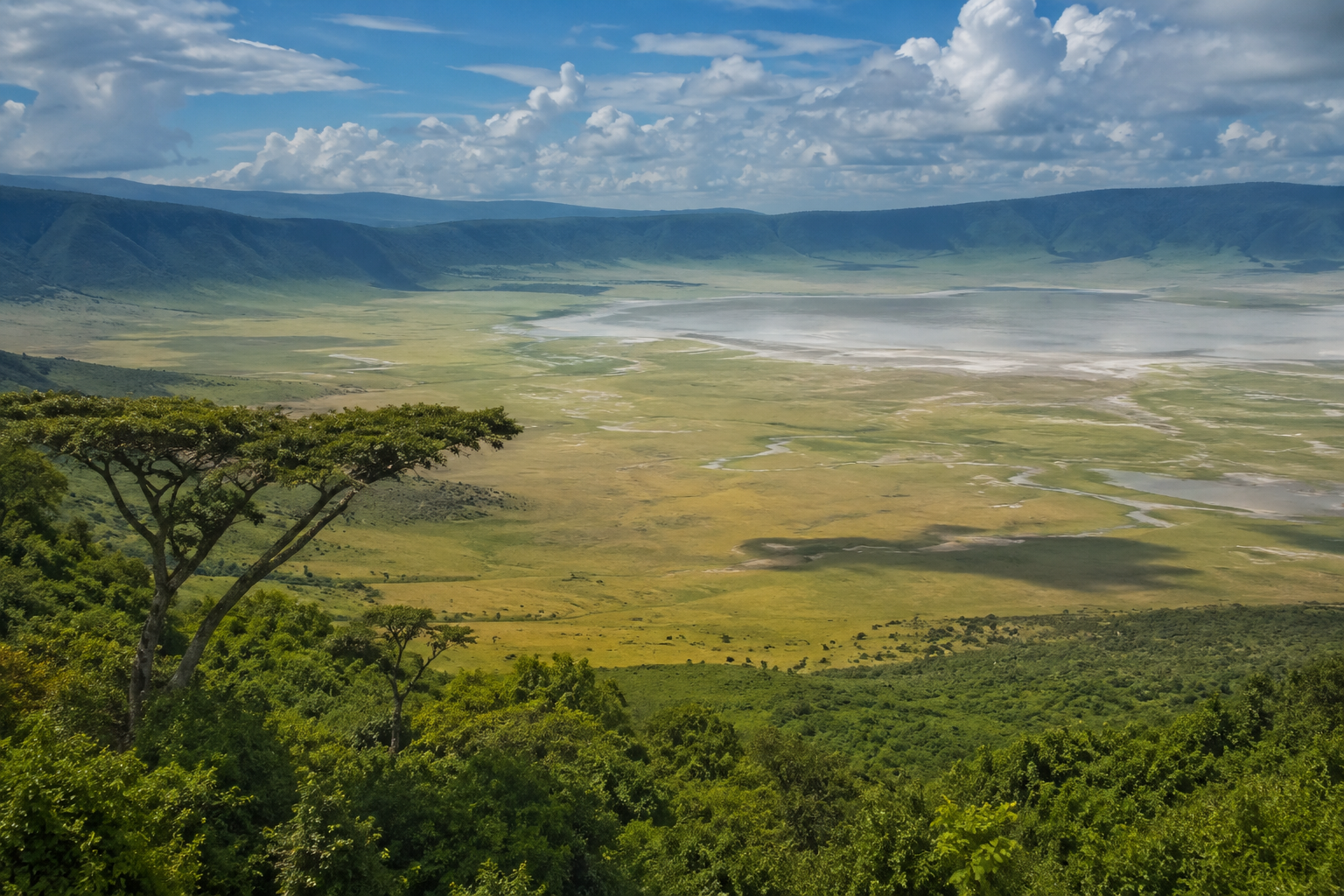
Discover the Ngorongoro Conservation Area Beyond the Famous Crater The Ngorongoro Conservation Area is much more than the world-famous crater; it is a vast highland wilderness filled with forests, volcanoes, Maasai communities, and extraordinary wildlife experiences. Travelers who explore beyond the crater floor discover a quieter side of Tanzania where culture, landscapes, and nature come together. For many international visitors, especially those traveling from the United States, the name Ngorongoro immediately brings to mind the spectacular crater floor and its concentration of wildlife. However, the Ngorongoro Conservation Area covers more than 8,000 square kilometers of diverse landscapes stretching from volcanic highlands to open grasslands, ancient forests, and traditional Maasai grazing areas. A journey through this remarkable region reveals that Ngorongoro is not simply a destination for a single game drive. It is a living landscape where wildlife conservation, indigenous culture, volcanic history, and adventure travel exist side by side. At Odysseys From Africa, our team based in Arusha helps travelers experience the deeper stories of northern Tanzania. Beyond the iconic viewpoints, we introduce guests to walking trails, cultural encounters, and hidden landscapes that many visitors miss. Explore our carefully designed Tanzania Safaris to see how the Ngorongoro Conservation Area can be combined with Serengeti wildlife adventures and other unforgettable destinations. Why the Ngorongoro Conservation Area Is More Than the Famous Crater The Ngorongoro Conservation Area offers far more than a crater safari, with highland forests, volcanic landscapes, Maasai culture, and unique walking experiences. Exploring beyond the crater floor allows travelers to experience one of Africa’s most diverse and authentic conservation areas. The Ngorongoro Crater is undoubtedly one of Tanzania’s greatest wildlife destinations, but it represents only a small part of the wider conservation area. The surrounding highlands provide a completely different experience, with cooler climates, dramatic scenery, and opportunities for adventure away from busy safari routes. The region was formed through millions of years of volcanic activity, creating a landscape of craters, mountains, forests, and fertile valleys. This geological history has shaped an environment where wildlife and communities have adapted together for generations. Visitors traveling through the Ngorongoro highlands can experience: Ancient volcanic landscapes Montane forests filled with birdlife Traditional Maasai villages Walking safaris and crater hikes Scenic viewpoints overlooking the Great Rift Valley Unique wildlife encounters beyond vehicle-based safaris For travelers seeking a more immersive African safari experience, the Ngorongoro Conservation Area provides opportunities to connect with Tanzania beyond the typical highlights. Our Best of Northern Tanzania itinerary is ideal for guests who want to experience the region’s famous wildlife while also discovering its hidden landscapes and cultural heritage. Exploring the Highlands of the Ngorongoro Conservation Area The highlands of the Ngorongoro Conservation Area reveal a peaceful side of Tanzania with forests, hiking trails, waterfalls, and spectacular volcanic views. These landscapes offer travelers an opportunity to slow down and experience the destination on foot. The elevated terrain surrounding Ngorongoro creates a cooler and greener environment compared with the dry plains of the Serengeti. Mist-covered forests, rolling hills, and volcanic slopes provide a dramatic contrast to the open savannah landscapes associated with East African safaris. One of the most rewarding ways to explore this region is through guided walking experiences. Unlike a traditional game drive, walking allows travelers to notice smaller details—the tracks of animals, bird calls, medicinal plants, and stories connected to the land. Walking Adventures in the Ngorongoro Conservation Area Walking experiences in the Ngorongoro Conservation Area provide a deeper connection with Tanzania’s landscapes, wildlife, and local communities. Guided hikes offer a slower, more personal way to explore the highlands beyond the crater floor. Popular walking experiences include the Olmoti Crater Walk, where travelers cross Maasai grazing lands before reaching the beautiful Munge Waterfall, and the Empakaai Crater hike, known for forest trails, flamingo-filled soda waters, and views toward Ol Doinyo Lengai. These experiences are especially popular among travelers who have already enjoyed classic Serengeti safari tours and want to add adventure and authenticity to their itinerary. Forests and Wildlife Beyond the Ngorongoro Crater Floor The forests of the Ngorongoro Conservation Area provide habitat for a remarkable variety of species. While the crater floor is famous for lions, elephants, buffalo, and rhinos, the surrounding highlands offer a different wildlife experience. Before planning your adventure, our Travel Information guide provides helpful details on Tanzania travel preparation, safari seasons, packing advice, and practical planning information. Maasai Culture and Traditional Life in the Ngorongoro Conservation Area The Ngorongoro Conservation Area is one of the few places in Tanzania where wildlife conservation and traditional Maasai pastoral life exist together. Visitors who explore the highlands discover authentic cultural experiences alongside breathtaking landscapes and world-class safari opportunities. The relationship between people, wildlife, and nature is what makes the Ngorongoro Conservation Area unique. Unlike many protected areas where human settlement is restricted, this region allows Maasai communities to continue traditional livestock practices while living alongside some of Africa’s most iconic wildlife. For generations, Maasai families have moved with their cattle across the highland grasslands, following seasonal patterns that support both their communities and the environment. Their knowledge of the land, weather, plants, and wildlife has been passed down through generations, creating a deep connection between culture and conservation. A visit to a Maasai community can offer meaningful insights into daily life, traditional architecture, livestock practices, and the importance of cattle within Maasai society. These experiences are carefully designed to support respectful cultural exchange rather than staged tourism. Travelers interested in combining wildlife with authentic cultural encounters can explore our Tanzania Explorer itinerary, which showcases the diversity of northern Tanzania beyond traditional safari routes. Olmoti Crater and Empakaai: Hidden Adventures in the Ngorongoro Conservation Area The Ngorongoro Conservation Area offers unforgettable hiking experiences beyond the famous crater, including Olmoti Crater and Empakaai Crater adventures. These lesser-known landscapes provide travelers with walking trails, volcanic scenery, wildlife encounters, and spectacular views. While most visitors focus on the Ngorongoro Crater safari, adventurous travelers can discover another side of the region through guided hikes and walking experiences. Olmoti Crater…

Read More
Olmoti Crater walk

The Olmoti Crater Walk: Munge Waterfall and the Ngorongoro Hike Most Safaris Skip

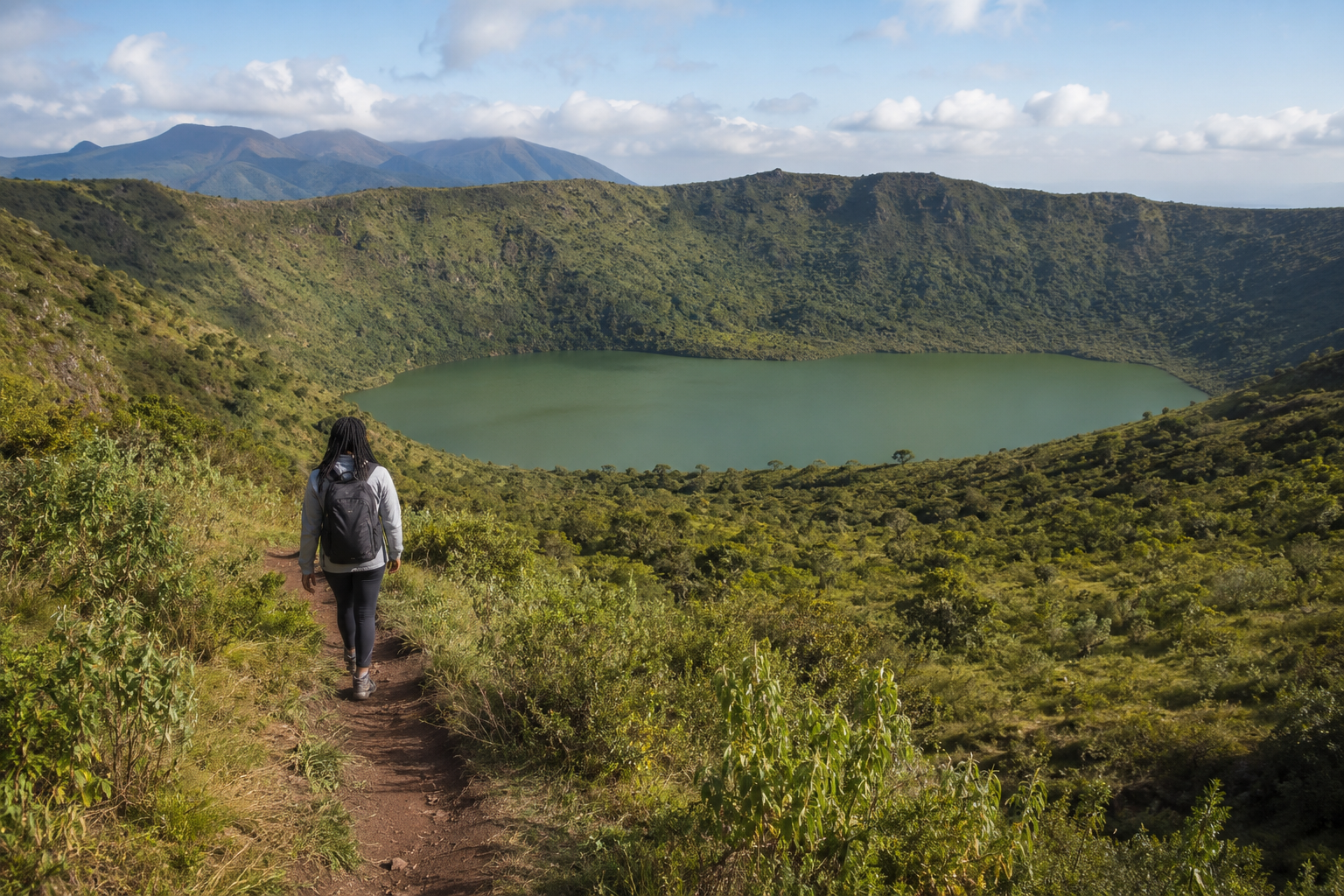
Planning a Tanzania safari holiday doesn’t have to mean spending every day in a safari vehicle. An Olmoti Crater walk offers a refreshing change of pace, taking you through rolling highlands, traditional Maasai grazing lands, and lush forests to the spectacular Munge Waterfall—the source of the river that flows into the world-famous Ngorongoro Crater. For travelers from the United States looking for authentic experiences beyond the classic safari circuit, this guided walk delivers breathtaking scenery, cultural encounters, and a deeper connection with Tanzania’s remarkable landscapes. Why an Olmoti Crater Walk Is One of Ngorongoro’s Best Hidden Adventures An Olmoti Crater walk is one of the most rewarding guided hikes in the Ngorongoro Conservation Area. It combines panoramic crater views, Maasai culture, volcanic landscapes, and the beautiful Munge Waterfall, making it an excellent addition to any northern Tanzania safari itinerary. While most visitors head directly to the Ngorongoro Crater for game drives, relatively few discover the peaceful trails of Olmoti Crater. Located in the northern section of the Ngorongoro Conservation Area, Olmoti rises to over 3,000 meters (9,840 feet) above sea level, offering cooler temperatures and spectacular views across the surrounding highlands. The walk follows gentle paths across open grasslands where Maasai communities continue their traditional pastoral lifestyle. Along the way, you’ll see grazing cattle, native wildflowers, volcanic rock formations, and expansive vistas that showcase a quieter side of Tanzania rarely experienced by most safari visitors. The highlight of the walk is Munge Waterfall, where water plunges over the crater rim before flowing into the Ngorongoro Crater below. Standing at this viewpoint provides a unique perspective on the interconnected ecosystems that make the Ngorongoro Conservation Area a UNESCO World Heritage Site. Growing up in northern Tanzania, our guides know these highlands intimately. They share stories about Maasai traditions, explain the volcanic history that shaped the landscape, and point out native plants, birdlife, and wildlife tracks that many visitors would otherwise overlook. These local insights transform the Olmoti Crater walk into far more than a scenic hike—it becomes an authentic cultural and ecological experience. Many travelers combine this walk with classic wildlife safaris for a more complete northern Tanzania adventure. Our Serengeti and Ngorongoro Safari and Best of Northern Tanzania itineraries offer excellent opportunities to experience both iconic game viewing and hidden hiking destinations. If you’re looking for more inspiration, explore our Tanzania Safaris or browse our Tanzania Destination Guide to discover how an Olmoti Crater walk can complement your safari itinerary. Before you travel, visit our Travel Information page for practical advice on visas, packing, health requirements, and travel planning for Tanzania. What to Expect on an Olmoti Crater Walk An Olmoti Crater walk is a guided hike across volcanic highlands, open grasslands, and Maasai grazing areas that leads to the spectacular Munge Waterfall. The trail is suitable for most travelers with a moderate fitness level and offers a peaceful alternative to traditional game drives in the Ngorongoro Conservation Area. Unlike the bustling game-viewing routes inside the Ngorongoro Crater, the Olmoti Crater walk invites you to slow down and appreciate the beauty of Tanzania on foot. Accompanied by an experienced guide and an armed ranger, you’ll discover landscapes that many safari itineraries overlook while gaining a deeper understanding of the region’s geology, wildlife, and Maasai culture. The hike begins near Nainokanoka Village, one of the highest settlements in the Ngorongoro Highlands. From here, the trail gently climbs through rolling grasslands dotted with wildflowers and volcanic outcrops before reaching the rim of Olmoti Crater. Along the route, your guide shares stories about the Maasai communities that have lived in harmony with wildlife for generations. This combination of cultural heritage and natural beauty makes the Olmoti Crater walk one of the most authentic walking experiences in northern Tanzania. If you’re looking to experience more of Tanzania’s diverse landscapes, explore our Tanzania Explorer itinerary, which combines iconic safari destinations with unique off-the-beaten-path adventures. How Difficult Is the Olmoti Crater Walk? The Olmoti Crater walk is considered easy to moderate, making it suitable for families, couples, photographers, and active travelers. Most visitors complete the round-trip hike in approximately two to three hours, depending on their pace and the number of scenic stops. The trail follows gentle inclines rather than steep climbs, allowing hikers to comfortably enjoy the surrounding scenery. Although the altitude exceeds 3,000 meters (9,840 feet), the route is not technically challenging, and frequent stops help visitors adjust to the elevation. Comfortable hiking shoes with good traction are recommended, especially during the rainy seasons when sections of the trail may become muddy. The Munge Waterfall on an Olmoti Crater Walk One of the highlights of an Olmoti Crater walk is reaching Munge Waterfall, where crystal-clear water cascades over the edge of the highlands into the Ngorongoro ecosystem below. This waterfall forms the headwaters of the Munge Stream, an important water source that supports wildlife within the Ngorongoro Crater. During the rainy seasons, the waterfall becomes particularly impressive as increased water flow creates dramatic views from the observation point. Standing at the viewpoint, visitors enjoy panoramic vistas stretching across the Ngorongoro Highlands and surrounding volcanic landscapes. The peaceful atmosphere makes this an ideal location for photography, birdwatching, and simply appreciating the untouched beauty of northern Tanzania. Wildlife You May See on an Olmoti Crater Walk Although the Olmoti Crater walk focuses more on landscapes than big-game viewing, the area supports an impressive variety of wildlife and birdlife. Keep an eye out for: Eland Buffalo Bushbuck Reedbuck Jackals Numerous bird species, including augur buzzards and sunbirds Wildlife sightings vary throughout the year, and your guide will help identify animal tracks, native plants, and bird calls that reveal the richness of this unique ecosystem. Because wildlife occasionally moves through the area, every hike is accompanied by an armed ranger from the Ngorongoro Conservation Area Authority, ensuring both safety and an informative experience. Can You Combine an Olmoti Crater Walk with a Tanzania Safari? Absolutely. The Olmoti Crater walk is an excellent addition to a northern Tanzania…

Read More