Wild Adventures, Timeless Memories…

Odysseys From Africa

Safari Blog

Guides, itineraries and field notes from our safari specialists in Arusha — everything you need to plan your Tanzania and Kenya adventure.

Usambara Mountains hiking

Usambara Mountains Hiking: Lushoto, Irente Viewpoint and Tanzania’s Cool Green Highlands

When most travellers think of Tanzania, images of the Serengeti, Mount Kilimanjaro, and Zanzibar’s white-sand beaches usually come to mind. Yet hidden in the country’s northeastern highlands lies one of East Africa’s most rewarding walking destinations. Usambara Mountains hiking offers a completely different side of Tanzania, where lush forests, charming villages, dramatic viewpoints, and cool mountain air replace vast savannahs and safari vehicles. Part of the ancient Eastern Arc Mountains, the Usambara range is celebrated for its incredible biodiversity, fertile farmland, and welcoming local communities. Hiking here is about more than reaching a summit. It’s an opportunity to explore rural Tanzania at a slower pace, walking through forests alive with birdsong, visiting traditional villages, and enjoying sweeping views across rolling hills that stretch toward the Maasai Steppe. The town of Lushoto serves as the gateway to many of the region’s best trails, including the famous Irente Viewpoint, one of Tanzania’s most spectacular scenic lookouts. Whether you are looking for a gentle half-day walk or a multi-day trekking adventure, Usambara Mountains hiking combines nature, culture, and history into an unforgettable experience. For travellers wanting to explore beyond Tanzania’s traditional safari circuit, the Usambara Mountains offer a peaceful escape and an excellent complement to wildlife adventures. Where Are the Usambara Mountains? The Usambara Mountains are located in northeastern Tanzania within Tanga Region, approximately 350 kilometres from Dar es Salaam and a few hours’ drive from Moshi and Arusha. The mountain range forms part of the internationally recognised Eastern Arc Mountains, one of the world’s oldest mountain systems and a globally important biodiversity hotspot. The Usambara range is divided into two sections: West Usambara Mountains East Usambara Mountains Most visitors begin their journey in the town of Lushoto, which sits at an altitude of approximately 1,400 metres above sea level and enjoys a cool climate throughout the year. Travellers combining mountain scenery with wildlife often include the Usambaras alongside Mkomazi National Park, where black rhinos and African wild dogs roam beneath the slopes of Kilimanjaro. Why Choose Usambara Mountains Hiking? Unlike mountain climbing, Usambara Mountains hiking is suitable for a wide range of fitness levels. The trails focus on exploration rather than high-altitude achievement, making the region perfect for families, couples, photographers, birdwatchers, and travellers interested in authentic cultural experiences. Highlights include: Scenic walking trails. Cool mountain temperatures. Friendly local villages. Ancient forests. Spectacular viewpoints. Rich birdlife. Traditional farming communities. Fewer tourists than Tanzania’s better-known attractions. The relaxed pace allows visitors to appreciate the region’s natural beauty while interacting with local guides who share stories about the mountains’ history and culture. The Ancient Eastern Arc Mountains The Usambara Mountains belong to the Eastern Arc Mountains, a chain of ancient crystalline mountains believed to be over 30 million years old. These forests are recognised globally for their remarkable biodiversity. Many plant, bird, reptile, and amphibian species found here exist nowhere else on Earth. Because of their ecological importance, the Eastern Arc Mountains are often compared to the Galápagos Islands for their concentration of endemic species. Walking through these forests reveals: Giant indigenous trees. Moss-covered pathways. Colourful butterflies. Rare orchids. Crystal-clear streams. Dense tropical vegetation. Nature enthusiasts often describe the forests as one of Tanzania’s best-kept secrets. Lushoto: The Heart of Usambara Mountains Hiking Lushoto is the main base for exploring the West Usambara Mountains and the starting point for many hiking routes. Originally developed as a German colonial settlement during the late nineteenth century, the town still features colonial-era architecture alongside vibrant local markets and welcoming guesthouses. Visitors can spend time exploring: Local markets. Small cafés. Cultural museums. Historic churches. Community projects. Lushoto’s cool temperatures provide a refreshing contrast to Tanzania’s warmer lowlands, making it an ideal place to relax before or after a trek. Travellers exploring northern Tanzania often combine Lushoto with our Best of Northern Tanzania itinerary for a unique mix of hiking and safari experiences. Hiking to Irente Viewpoint No visit centred on Usambara Mountains hiking is complete without a walk to Irente Viewpoint. Located a few kilometres from Lushoto, this dramatic cliff offers panoramic views across the Maasai Plains nearly 1,000 metres below. The trail passes through: Small farming villages. Banana plantations. Vegetable gardens. Forest patches. Scenic countryside. At the viewpoint itself, hikers are rewarded with breathtaking vistas stretching across northeastern Tanzania. On clear days, the landscape seems endless, making Irente one of the country’s most photographed viewpoints. Local cafés near the viewpoint serve fresh fruit, homemade bread, cheese, and traditional Tanzanian meals, creating the perfect place to relax after the hike. Village Walks and Cultural Encounters One of the greatest strengths of Usambara Mountains hiking is the opportunity to experience rural Tanzanian life. Unlike many trekking destinations where the focus is solely on scenery, the Usambaras offer meaningful cultural interactions. Visitors may encounter: Farmers tending hillside fields. Children walking to school. Traditional homes. Local craft workshops. Community conservation projects. Guided village walks provide valuable insight into everyday life while supporting local economies through responsible tourism. Forest Trails and Biodiversity The forests surrounding Lushoto contain some of Tanzania’s richest biodiversity. Guided walks often reveal: Colobus monkeys. Chameleons. Colourful butterflies. Sunbirds. Turacos. Endemic plant species. Because the trails pass through protected forest reserves, visitors also learn about conservation initiatives designed to preserve these fragile ecosystems for future generations. Hiking Routes for Every Traveller Whether you have a few hours or several days, Usambara Mountains hiking offers routes to suit every level of experience. Half-Day Walks Perfect for visitors with limited time, these hikes usually include: Lushoto town. Irente Viewpoint. Nearby villages. Full-Day Hikes Longer routes explore: Forest reserves. Traditional communities. Scenic ridges. Waterfalls. Agricultural landscapes. Multi-Day Treks Experienced hikers can undertake multi-day journeys linking remote villages and mountain trails while staying in locally owned guesthouses. These longer adventures provide a deeper appreciation of the Usambaras’ landscapes, culture, and biodiversity. Best Time for Usambara Mountains Hiking One of the advantages of Usambara Mountains hiking is that the region can be visited throughout the year. Thanks to its elevation, temperatures remain cooler…

Read More
Mkomazi National Park
Tanzania Safari Guides·

Mkomazi National Park: Black Rhino, Wild Dogs and a View of Kilimanjaro

Most travellers visiting Tanzania head straight for the Serengeti, Ngorongoro Crater, or Tarangire National Park. While these destinations deserve their global reputation, they are only part of Tanzania’s remarkable wildlife story. Mkomazi National Park offers a quieter, conservation-focused safari where endangered species, breathtaking landscapes, and uncrowded game drives combine to create one of East Africa’s most rewarding hidden gems. Situated along Tanzania’s northeastern border with Kenya, Mkomazi National Park protects more than 3,200 square kilometres of semi-arid savannah, acacia woodland, seasonal rivers, and rugged hills. Together with neighbouring Tsavo West National Park, it forms one of East Africa’s largest cross-border ecosystems, allowing wildlife to move naturally across the landscape. Unlike parks known primarily for the Great Migration, Mkomazi is internationally recognised for its conservation successes. The park is one of the few places in Tanzania where visitors can learn about the recovery of critically endangered black rhinos and African wild dogs while enjoying spectacular views of Mount Kilimanjaro in the distance. Whether you are planning your first Tanzanian safari or looking to explore beyond the country’s famous northern circuit, Mkomazi delivers exceptional wildlife experiences with far fewer vehicles than Tanzania’s better-known parks. If you are planning a complete wildlife adventure, our Tanzania Explorer itinerary can easily include Mkomazi alongside the country’s most iconic destinations. Where Is Mkomazi National Park? Mkomazi National Park is located in northeastern Tanzania, stretching along the border with Kenya between Kilimanjaro Region and Tanga Region. The park shares an open ecosystem with Kenya’s Tsavo West National Park, creating an important wildlife corridor used by elephants, antelope, and predators. Its strategic location makes it an excellent addition to several Tanzania travel itineraries. Visitors often combine Mkomazi with: Mount Kilimanjaro Arusha National Park Tarangire National Park Amboseli National Park Tsavo West National Park Travellers climbing Africa’s highest mountain frequently extend their holiday with one of our Mount Kilimanjaro Tours before heading into Mkomazi for a quieter safari experience. The History of Mkomazi National Park The landscape now known as Mkomazi National Park has been protected for decades. Originally gazetted as a game reserve in 1951, the area played an important role in preserving wildlife habitats within northern Tanzania. In 2006, it officially became a national park, strengthening conservation efforts and increasing protection for threatened species. Over the years, Mkomazi has become internationally recognised for restoring populations of black rhinos and African wild dogs—two species that faced dramatic declines because of poaching and habitat loss. Today, conservation remains at the heart of everything that happens inside the park. Why Visit Mkomazi National Park? Many visitors are surprised by how different Mkomazi feels compared with Tanzania’s famous safari parks. Instead of crowded wildlife sightings, travellers experience peaceful landscapes, fewer safari vehicles, and excellent opportunities to observe animals behaving naturally. Reasons to visit include: Black rhino conservation sanctuary. African wild dog recovery programme. Magnificent views of Mount Kilimanjaro. Large elephant populations. Diverse birdlife. Rare antelope species. Quiet game drives. Outstanding photography opportunities. For travellers who have already visited Serengeti or Ngorongoro, Mkomazi offers a refreshing alternative. Those looking to compare different safari experiences can also browse our Tanzania Safaris for customised itineraries across the country. The Black Rhino Sanctuary One of the main reasons travellers visit Mkomazi National Park is its internationally respected black rhino sanctuary. Black rhinos once ranged across much of East Africa. Unfortunately, decades of illegal poaching reduced populations to critically low levels. To reverse this decline, conservation organisations partnered with Tanzania National Parks to establish a carefully protected breeding sanctuary inside Mkomazi. Today, the sanctuary serves several important purposes: Protecting breeding populations. Supporting genetic diversity. Monitoring rhino health. Educating visitors. Strengthening anti-poaching efforts. Seeing a black rhino is a privilege few safari destinations can offer. Unlike traditional game drives, rhino sanctuary visits also provide valuable insight into the challenges of wildlife conservation and the ongoing efforts required to protect one of Africa’s most endangered mammals. African Wild Dogs: One of Africa’s Greatest Conservation Success Stories The African wild dog is among the continent’s rarest predators, and Mkomazi National Park plays a vital role in its survival. Often misunderstood, these remarkable carnivores are highly intelligent, social, and cooperative. Each pack functions as a close family unit where members share hunting responsibilities, protect injured individuals, and care collectively for young pups. African wild dogs are famous for: Excellent teamwork. Long-distance endurance. Cooperative hunting. Strong social bonds. High hunting success rates. Because of habitat fragmentation and conflict with humans, wild dog populations remain vulnerable across Africa. The breeding and conservation programme in Mkomazi is helping secure their future for generations to come. Wildlife You Can See in Mkomazi National Park Although rhinos and wild dogs receive most of the attention, Mkomazi National Park supports a remarkable diversity of wildlife. Elephants Large elephant herds regularly move through the park as part of the wider Tsavo-Mkomazi ecosystem. Watching elephants beneath the distant slopes of Mount Kilimanjaro is one of the park’s signature experiences. Giraffes Masai giraffes are among the easiest animals to observe. They browse peacefully through the park’s acacia woodland and provide outstanding photographic subjects. Zebras and Buffalo Open plains support healthy populations of: Plains zebras. African buffalo. Wildebeest. Warthogs. These herbivores attract predators while maintaining the park’s ecological balance. Rare Antelope Several unusual antelope species occur in Mkomazi, including: Lesser kudu. Fringe-eared oryx. Gerenuk. Eland. Grant’s gazelle. Coke’s hartebeest. Many of these species are considerably easier to find here than in other northern Tanzanian parks. Predators Beyond Wild Dogs Although African wild dogs are the park’s most famous predators, Mkomazi also supports: Lions. Leopards. Cheetahs. Spotted hyenas. Black-backed jackals. Because the park receives relatively few visitors, predator sightings often feel more exclusive and rewarding. Birdwatching in Mkomazi National Park Bird enthusiasts will discover that Mkomazi National Park is one of northern Tanzania’s finest birding destinations. More than 450 bird species have been recorded. Common sightings include: Secretary birds. Kori bustards. Martial eagles. Bateleurs. Hornbills. Vultures. Bee-eaters. Rollers. Kingfishers. Ostriches. During migratory seasons, bird diversity becomes even greater. Travellers interested…

Read More
Pangani Tanzania

Pangani Tanzania: Discover the Quiet Swahili River Town Between Safari and Zanzibar

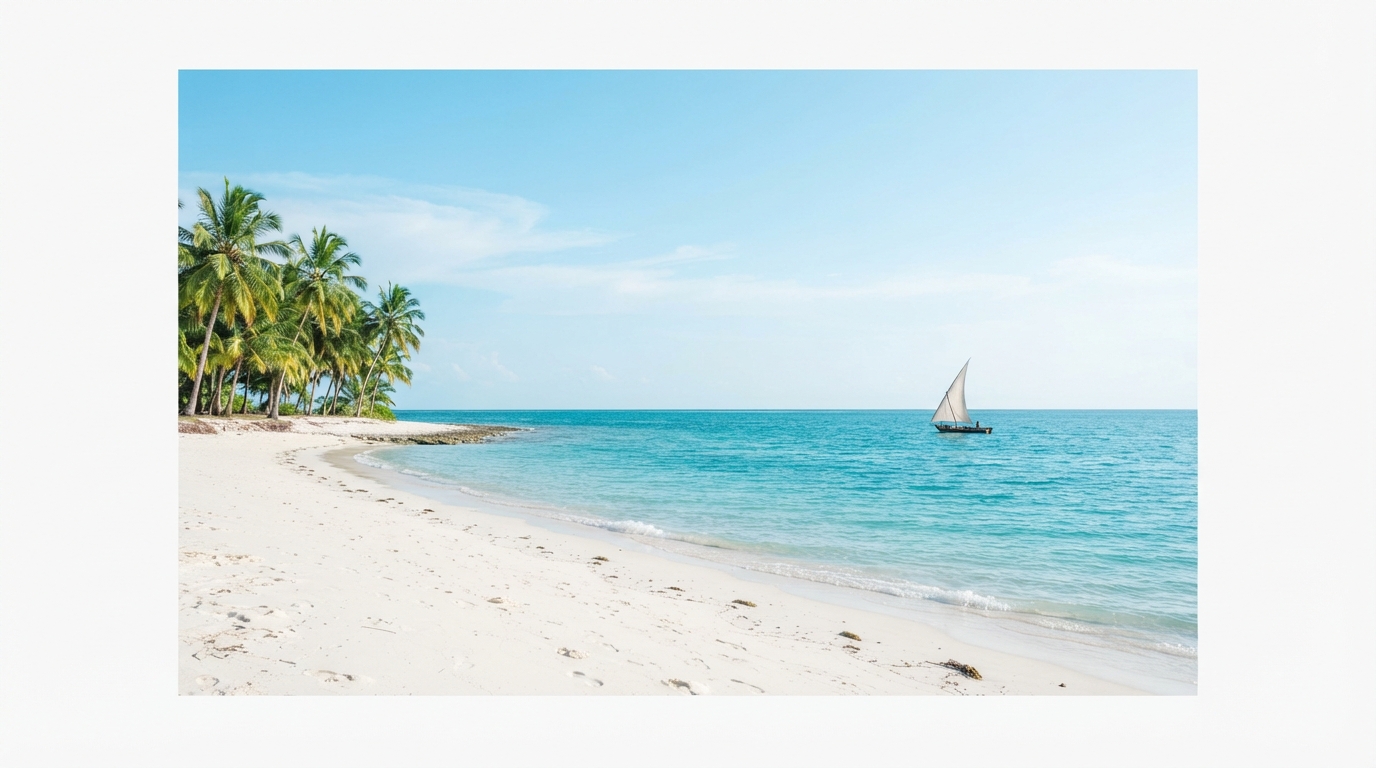
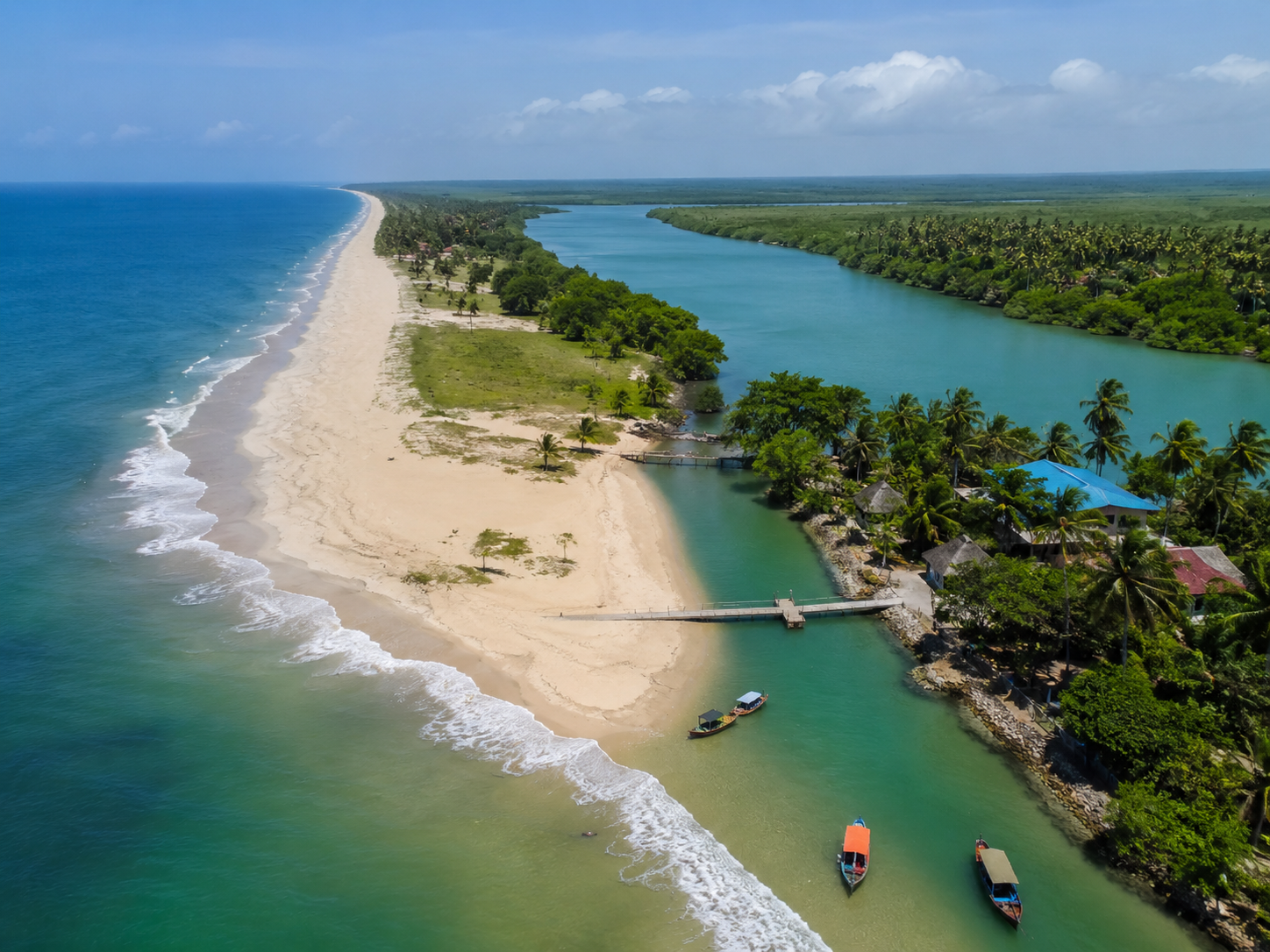
Pangani Tanzania: Explore a Forgotten Swahili Coast Escape Pangani Tanzania is a peaceful coastal town where the Pangani River meets the Indian Ocean, offering travellers a slower and more authentic alternative to Tanzania’s busier beach destinations. Known for its Swahili heritage, traditional dhow culture, historic ruins, and quiet beaches, Pangani provides a unique coastal experience between the northern safari circuit and Zanzibar. While Zanzibar attracts millions of visitors searching for tropical beaches and island adventures, Pangani remains wonderfully under the radar. The town offers a glimpse of an older Tanzania shaped by: Swahili trading history. Indian Ocean culture. Traditional fishing communities. Coastal forests. River landscapes. For travellers wanting to experience Tanzania beyond the famous highlights, Pangani Tanzania provides a relaxing stop where nature, history, and local life come together. The destination works especially well as an extension after a safari or as a quieter alternative to more developed beach areas. At Odysseys From Africa, we create journeys that combine Tanzania’s iconic wildlife destinations with authentic cultural and coastal experiences. Where Is Pangani Tanzania Located? Pangani Tanzania is located in the Tanga Region along the northern Swahili Coast, approximately 50 kilometres south of Tanga City and across the Indian Ocean channel from Zanzibar. The town sits where the Pangani River reaches the sea, creating a landscape of: Mangrove forests. River channels. Coconut plantations. Sandy beaches. Coastal villages. Its location makes it an excellent stop between several major Tanzania destinations. Travellers can combine Pangani with: Tanga. Saadani National Park. Kilimanjaro. Northern safari parks. Zanzibar. Unlike Zanzibar’s busy resort areas, Pangani maintains a quieter atmosphere where visitors can experience coastal Tanzania at a relaxed pace. Why Visit Pangani Tanzania? Pangani Tanzania is ideal for travellers seeking an authentic coastal escape with fewer crowds, offering river adventures, cultural experiences, historical sites, and peaceful beaches. The town’s biggest attraction is its atmosphere. Pangani is not designed around large resorts or busy nightlife. Instead, visitors come for: Peaceful Beaches The coastline around Pangani features long stretches of uncrowded sand. Visitors can enjoy: Swimming. Beach walks. Sunsets. Relaxed coastal days. Swahili Culture Pangani has centuries of history connected to Indian Ocean trade. The town reflects influences from: African communities. Arab traders. Indian merchants. European colonial powers. River Experiences The Pangani River provides opportunities for: Traditional dhow cruises. Bird watching. Fishing trips. Sunset excursions. The History of Pangani Tanzania Pangani Tanzania has a rich history connected to the ancient Swahili Coast trading network. For centuries, the town served as an important centre for trade between inland Tanzania and the Indian Ocean world. Goods moving through the region included: Ivory. Spices. Agricultural products. Other valuable commodities. The town later became involved in the colonial period, leaving behind a mixture of architectural and cultural influences. Walking through Pangani reveals: Historic buildings. Old trading routes. Traditional coastal homes. Stories from generations of residents. Today, the town’s history remains one of its greatest attractions. Exploring Pangani River by Traditional Dhow The Pangani River is the heart of the town and one of the best ways to experience the area’s natural beauty. Traditional dhow excursions provide a peaceful way to explore the river environment. A typical river trip may include: Mangrove channels. Bird-filled wetlands. Fishing villages. Coastal scenery. Sunset dhow cruises are especially popular. As the sun drops over the river, the combination of traditional sailing boats, palm trees, and calm waters creates one of Tanzania’s most memorable coastal scenes. Pangani Beaches: Tanzania’s Quiet Coastal Paradise One of the main reasons travellers visit Pangani Tanzania is the coastline’s peaceful beauty. Unlike some more developed beach destinations, Pangani offers a feeling of discovery. The beaches around the area provide: Soft white sand. Warm Indian Ocean waters. Fewer visitors. Relaxed beachfront experiences. Popular activities include: Swimming and Relaxation The calm coastal environment makes Pangani perfect for travellers wanting a peaceful beach break. Beach Walks Long stretches of coastline allow visitors to enjoy quiet walks without crowds. Marine Adventures Depending on conditions, visitors can arrange: Snorkelling. Fishing. Boat excursions. Pangani Tanzania Wildlife and Nature Experiences Although Pangani is not a traditional safari destination, the surrounding environment supports interesting wildlife and natural experiences. Visitors may encounter: Coastal birds. Marine species. Mangrove ecosystems. Tropical vegetation. Nearby destinations expand the wildlife possibilities. For example, travellers can combine Pangani with: Saadani National Park. Mkomazi National Park. Northern Tanzania safari routes. This creates a journey combining beaches, culture, and wildlife. Pangani Tanzania as a Safari Extension Pangani Tanzania works perfectly as a safari extension because it allows travellers to slow down after wildlife adventures while experiencing a quieter side of the Tanzanian coast. After several days exploring national parks, Pangani provides time to: Relax beside the ocean. Explore Swahili history. Enjoy river cruises. Experience local culture. Travellers can combine Pangani with our Tanzania Explorer itinerary for a broader East African adventure. Those exploring the northern circuit can also consider extending their journey after visiting destinations covered in our Best of Northern Tanzania safari. For practical preparation before travelling, our Travel Information guide provides useful advice on planning your Tanzania holiday. Conclusion Pangani Tanzania offers a rare opportunity to experience the Swahili Coast as it once was: peaceful, authentic, and deeply connected to the Indian Ocean. With its historic trading heritage, traditional dhow journeys, quiet beaches, and beautiful Pangani River landscapes, this coastal town provides a refreshing alternative to busier destinations. Unlike more developed beach locations, Pangani allows travellers to slow down and experience the everyday rhythms of coastal Tanzania. From exploring old Swahili settlements and sailing through mangrove-lined waterways to relaxing on uncrowded beaches, every experience feels personal and genuine. For travellers looking to create a more complete Tanzania holiday, Pangani works perfectly as an extension after a safari adventure. Combine wildlife experiences in Tanzania’s national parks with the relaxed atmosphere of the coast for a journey that captures the country’s incredible diversity. At Odysseys From Africa, we specialise in designing tailor-made Tanzania adventures that combine iconic safaris, cultural discoveries, and hidden coastal gems. Whether you want a private safari,…

Read More
Amboni Caves Tanga
Tanzania Travel Guides·

Amboni Caves Tanga: Discover Tanzania’s Underground Natural Wonder

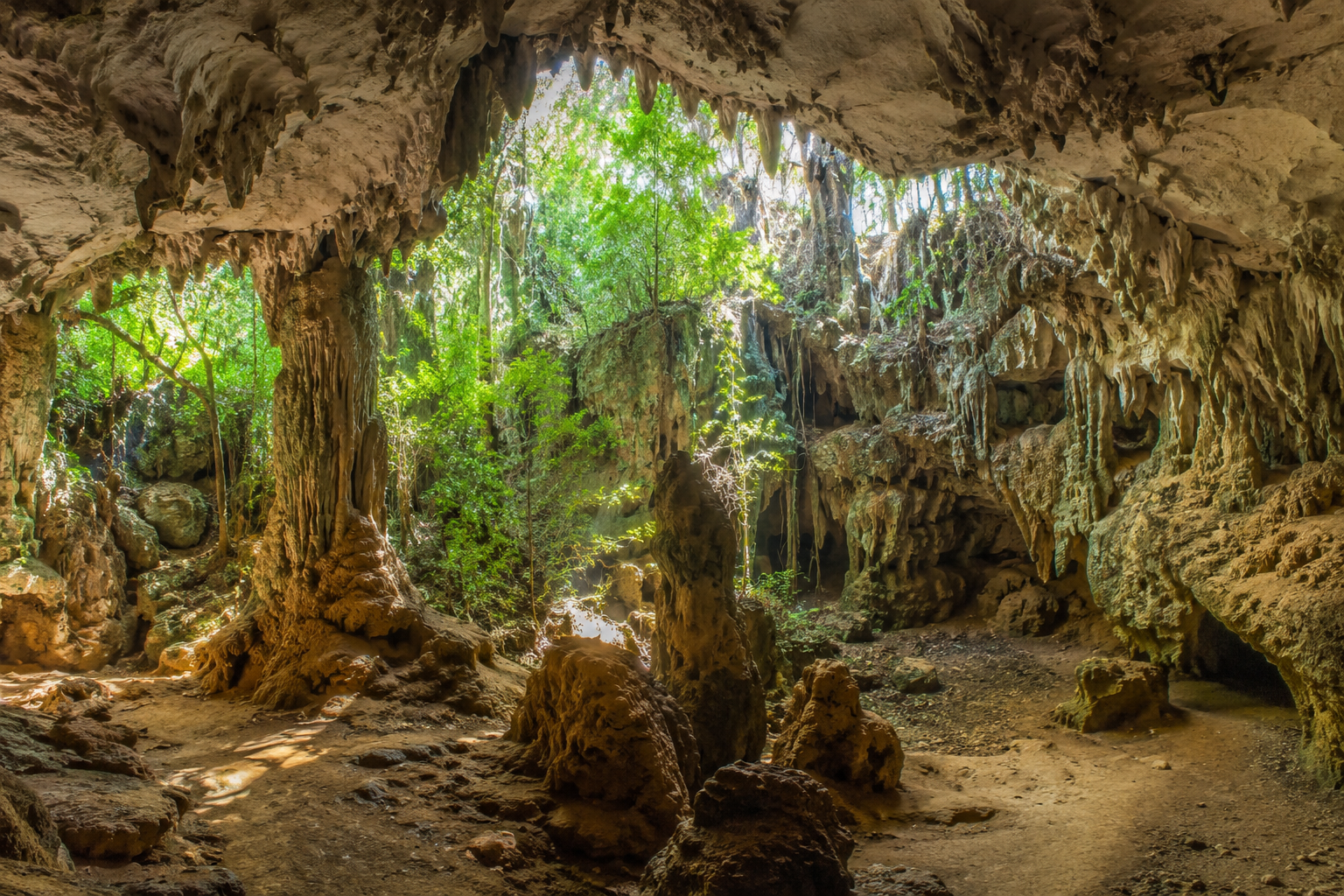
Amboni Caves Tanga is one of Tanzania’s most fascinating hidden attractions, offering visitors the chance to explore a vast limestone cave system filled with underground chambers, unique rock formations, local legends, and centuries of natural history. Located near the coastal city of Tanga, the caves provide a rare adventure away from Tanzania’s traditional safari routes. While many travellers associate Tanzania with Serengeti wildlife and Zanzibar beaches, the country also has remarkable geological treasures. Deep beneath the coastal forests near Tanga lies one of East Africa’s largest limestone cave networks. The Amboni Caves reveal a different side of Tanzania through: Ancient geological formations. Underground passages. Cultural stories. Coastal history. Local traditions. For travellers exploring northern Tanzania’s coastline, Amboni Caves Tanga offers an excellent cultural and nature-based experience. The caves can be combined with other attractions around Tanga, including coastal beaches, historical sites, and marine adventures. At Odysseys From Africa, we believe the best Tanzania journeys include both famous highlights and lesser-known destinations that reveal the country’s diversity. Where Are Amboni Caves Located? Amboni Caves are located approximately 8 kilometres northwest of Tanga City in northeastern Tanzania. The caves sit within a limestone landscape shaped over millions of years by natural geological processes. Their location makes them easy to access during a stay in Tanga. Visitors can combine a cave visit with: Tanga city tours. Coastal excursions. Historical sites. Beach experiences. Tanga itself is one of Tanzania’s oldest coastal towns, known for its Swahili heritage, colonial architecture, and connection to the Indian Ocean trade routes. For travellers looking beyond the usual northern circuit, the Tanga region offers a quieter and more authentic coastal experience. The History of Amboni Caves Tanga The history of Amboni Caves Tanga combines geology, local traditions, and colonial-era exploration. The caves were formed naturally over millions of years as water slowly dissolved limestone rock beneath the surface. Over time, this created: Large chambers. Narrow tunnels. Underground passages. Unique formations. During the colonial period, the caves attracted greater attention because of their geological importance and strategic location near Tanga. Local communities have also shared many stories and beliefs connected to the caves. These legends form an important part of the cultural experience when visiting Amboni. Why Amboni Caves Are Important Amboni Caves are considered one of East Africa’s most significant limestone cave systems because of their size, geological features, and cultural importance. The caves showcase how natural forces can transform landscapes over thousands of years. Visitors can observe: Limestone Formations Inside the caves are impressive formations created through mineral deposits. These include: Stalactites. Stalagmites. Rock columns. Natural sculptures. Each formation tells a story about the slow geological processes that shaped the underground environment. Underground Chambers The cave system contains multiple chambers connected by passages. Exploring these spaces gives visitors a sense of adventure and discovery. Natural History The caves provide insight into Tanzania’s geological past and the relationship between coastal landscapes and underground ecosystems. What to Expect During an Amboni Caves Tour An Amboni Caves Tanga tour is usually a guided experience where visitors explore accessible sections of the cave system while learning about its history and geology. A typical visit includes: Entrance briefing. Guided walk underground. Explanation of formations. Stories about local traditions. Photography opportunities. Visitors should expect: Uneven surfaces. Dark passages. Cooler underground temperatures. Comfortable shoes are recommended. Guides provide important information about safety and the history of the caves. The Legends and Stories of Amboni Caves One of the most fascinating aspects of Amboni Caves Tanga is the collection of local stories connected to the underground chambers. Across generations, communities around Tanga have shared beliefs about the caves. Some stories describe: Hidden spiritual places. Historic refuge areas. Mysterious underground locations. While these stories are part of local heritage rather than proven history, they add cultural depth to the experience. A visit to Amboni is not only a geological journey but also an opportunity to understand local traditions. Best Time to Visit Amboni Caves Tanga Amboni Caves can be visited throughout the year because the underground environment remains relatively stable regardless of weather conditions. However, the best time depends on your wider Tanzania itinerary. June to October This period offers: Dry weather. Comfortable coastal travel. Easier movement between attractions. It is a popular season for combining Tanga with safari destinations. November to March The warmer months provide excellent opportunities for: Coastal exploration. Beach extensions. Cultural tours. The surrounding landscapes are often greener after seasonal rains. April to May Although this is a wetter period, the caves remain accessible and can be a good option for travellers seeking fewer visitors. Combining Amboni Caves Tanga With a Tanzania Safari Amboni Caves Tanga can be included as part of a broader Tanzania adventure combining wildlife, culture, and coastal exploration. Possible combinations include: Serengeti National Park. Ngorongoro Crater. Tarangire National Park. Saadani National Park. Zanzibar. Travellers looking for a complete Tanzania journey can explore our Tanzania Explorer itinerary. For those focusing on the famous northern safari circuit, our Best of Northern Tanzania safari options can be combined with coastal extensions. Before planning your trip, visit our Travel Information guide for useful preparation advice. Conclusion Amboni Caves Tanga offers a fascinating journey beneath Tanzania’s coastline, combining natural history, geology, culture, and adventure in one unique experience. As one of East Africa’s most extensive limestone cave systems, the caves showcase impressive underground chambers, rock formations, and a landscape shaped over millions of years. A visit to Amboni is more than a cave tour. It is an opportunity to discover the stories, traditions, and heritage of the Tanga region while exploring one of Tanzania’s lesser-known attractions. The guided experience allows travellers to learn about the cave formations, local legends, and the important role the caves have played in surrounding communities. For travellers looking beyond the usual safari routes, adding Amboni Caves Tanga to a Tanzania itinerary creates a richer and more diverse journey. Combine it with Tanga’s coastal attractions, historical sites, wildlife destinations, or a beach extension for a memorable East African adventure….

Read More
Nungwi and Kendwa beaches
Zanzibar Travel Guides·

Nungwi and Kendwa Beaches: Zanzibar’s Ultimate North Coast Escape

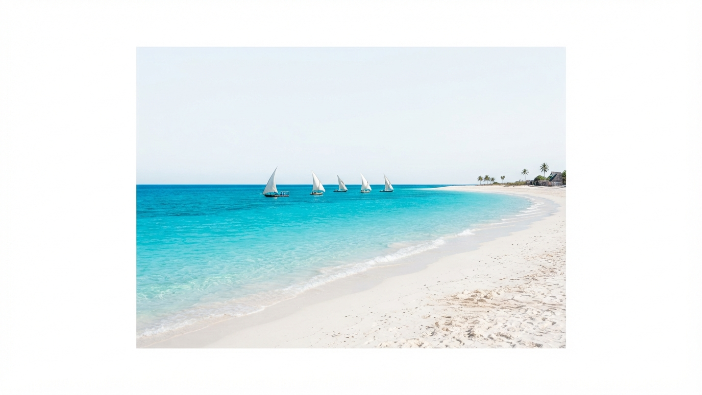
Discover the Beauty of Nungwi and Kendwa Beaches Nungwi and Kendwa beaches are among Zanzibar’s most famous coastal destinations, offering crystal-clear Indian Ocean waters, soft white sands, and swimming conditions that remain accessible throughout the day. Located on Zanzibar’s northern tip, these beaches provide the perfect combination of relaxation, adventure, and luxury island experiences. For travellers planning a Tanzania safari holiday, adding time at Nungwi and Kendwa beaches creates an ideal contrast between wildlife adventures and tropical coastal relaxation. After exploring the Serengeti, Ngorongoro Crater, or northern Tanzania’s landscapes, the calm waters and vibrant culture of Zanzibar offer a memorable continuation of the journey. Unlike many tropical beaches where dramatic tides affect swimming opportunities, the northern coastline of Zanzibar is famous for its year-round ocean access. This makes Nungwi and Kendwa beaches especially appealing for honeymooners, families, photographers, and travellers seeking a premium Indian Ocean escape. With local Tanzanian expertise, Odysseys From Africa creates personalised Zanzibar itineraries that combine beach relaxation with cultural experiences, island exploration, and unforgettable safari extensions. Why Nungwi and Kendwa Beaches Are Zanzibar’s Most Popular North Coast Destinations Nungwi and Kendwa beaches are popular because they combine beautiful beaches, reliable swimming conditions, luxury accommodation, and authentic Zanzibar experiences. These northern coastal destinations offer travellers the perfect balance between relaxation, marine activities, and island culture. Located at the northern tip of Zanzibar Island, these beaches have developed into some of East Africa’s most desirable beach destinations. The appeal comes from several unique features: Warm turquoise waters Powder-soft white sand Stunning sunsets over the Indian Ocean Year-round swimming opportunities Traditional dhow sailing experiences Seafood restaurants Boutique hotels and luxury resorts Easy access to marine adventures For many international visitors, the biggest attraction is the ocean itself. The northern coastline experiences less dramatic tidal changes compared with other parts of Zanzibar, meaning visitors can enjoy swimming, snorkelling, and water activities throughout much of the day. This makes Nungwi and Kendwa beaches particularly attractive for travellers who want a classic island experience without having to plan activities around changing tides. For US travellers combining Zanzibar with mainland adventures, the beaches provide a relaxing conclusion after an active safari itinerary. Odysseys From Africa can help create a seamless journey combining wildlife and coastal experiences through options such as Zanzibar travel experiences and wider Tanzania safari destinations. Nungwi and Kendwa Beaches Compared: Choosing the Right Zanzibar Experience Nungwi and Kendwa beaches offer different experiences despite being located close together on Zanzibar’s northern coastline. Nungwi provides a lively atmosphere with cultural attractions and marine activities, while Kendwa offers a more relaxed luxury beach environment. Choosing between these two destinations depends on the type of holiday experience you want. Nungwi Beach Zanzibar: Culture, Activities and Local Life Nungwi is one of Zanzibar’s most developed coastal villages and offers visitors a mixture of tourism, tradition, and local culture. The area is famous for: Traditional dhow boat building Fishing communities Marine conservation projects Sunset cruises Restaurants and beach cafés Diving centres A walk through Nungwi provides a glimpse into everyday island life. Visitors can see craftsmen building wooden dhows using traditional techniques that have existed along the Swahili Coast for generations. The village atmosphere makes Nungwi appealing for travellers who want more than a resort experience. Couples and families often enjoy the combination of beach relaxation and accessible activities. A morning can be spent swimming in the Indian Ocean, followed by an afternoon exploring local markets or joining a sunset dhow cruise. Kendwa Beach Zanzibar: Peaceful Luxury and Sunset Views Kendwa is known for its spacious beach, calm waters, and relaxed atmosphere. Compared with Nungwi, Kendwa often feels quieter and more focused on beachfront relaxation. The area is ideal for: Honeymoon travellers Luxury beach holidays Romantic escapes Travellers seeking tranquillity Sunset photography One of Kendwa’s biggest attractions is its famous sunset view. Because the beach faces west, visitors can watch the sun disappear directly over the Indian Ocean. For travellers looking for a peaceful ending to a luxury Tanzania itinerary, Kendwa provides an unforgettable setting. Activities Around Nungwi and Kendwa Beaches Beyond Sunbathing Nungwi and Kendwa beaches offer far more than traditional beach relaxation, with activities including snorkelling, diving, sailing, cultural tours, and marine conservation experiences. These coastal destinations allow visitors to experience Zanzibar’s ocean environment and island traditions. While many travellers arrive for the beaches, the surrounding experiences make the northern coast truly special. Traditional Dhow Sailing A dhow cruise is one of the most iconic Zanzibar experiences. These traditional wooden sailing boats have been part of Indian Ocean culture for centuries. A sunset dhow journey allows visitors to: Watch the coastline from the water Enjoy ocean views Experience traditional sailing Capture stunning photographs The experience connects modern travellers with Zanzibar’s maritime heritage. Snorkelling and Diving Adventures The waters surrounding Nungwi and Kendwa beaches are ideal for marine exploration. Visitors can discover: Coral gardens Tropical fish Sea turtles Colourful reef ecosystems Nearby marine locations provide opportunities for both beginners and experienced divers. For photographers, underwater experiences create unique opportunities to capture Zanzibar’s hidden marine world. Turtle Conservation Experiences Nungwi is home to marine conservation initiatives where visitors can learn about efforts to protect sea turtles. These experiences are especially valuable for families because they combine education with responsible tourism. Travellers gain a deeper understanding of Zanzibar’s environmental challenges and conservation work. Nungwi and Kendwa Beaches for Luxury Holidays, Honeymoons and Families Nungwi and Kendwa beaches suit different types of travellers because they combine comfort, natural beauty, and flexible experiences. Couples, families, and luxury travellers can all find personalised ways to enjoy Zanzibar’s northern coastline. Honeymoon Experiences For couples, Nungwi and Kendwa beaches provide an ideal romantic setting. Popular honeymoon experiences include: Private beach dinners Sunset dhow cruises Ocean-view accommodation Spa treatments Island excursions The peaceful surroundings and warm tropical climate make northern Zanzibar a favourite honeymoon destination. Family-Friendly Zanzibar Holidays Families appreciate these beaches because of their calm waters and range of activities. Children can enjoy: Swimming Beach games Boat trips Marine experiences Cultural…

Read More
Bagamoyo historic town
Zanzibar Travel Guides·

Stone Town Zanzibar: The Ultimate UNESCO Heritage Walking Guide

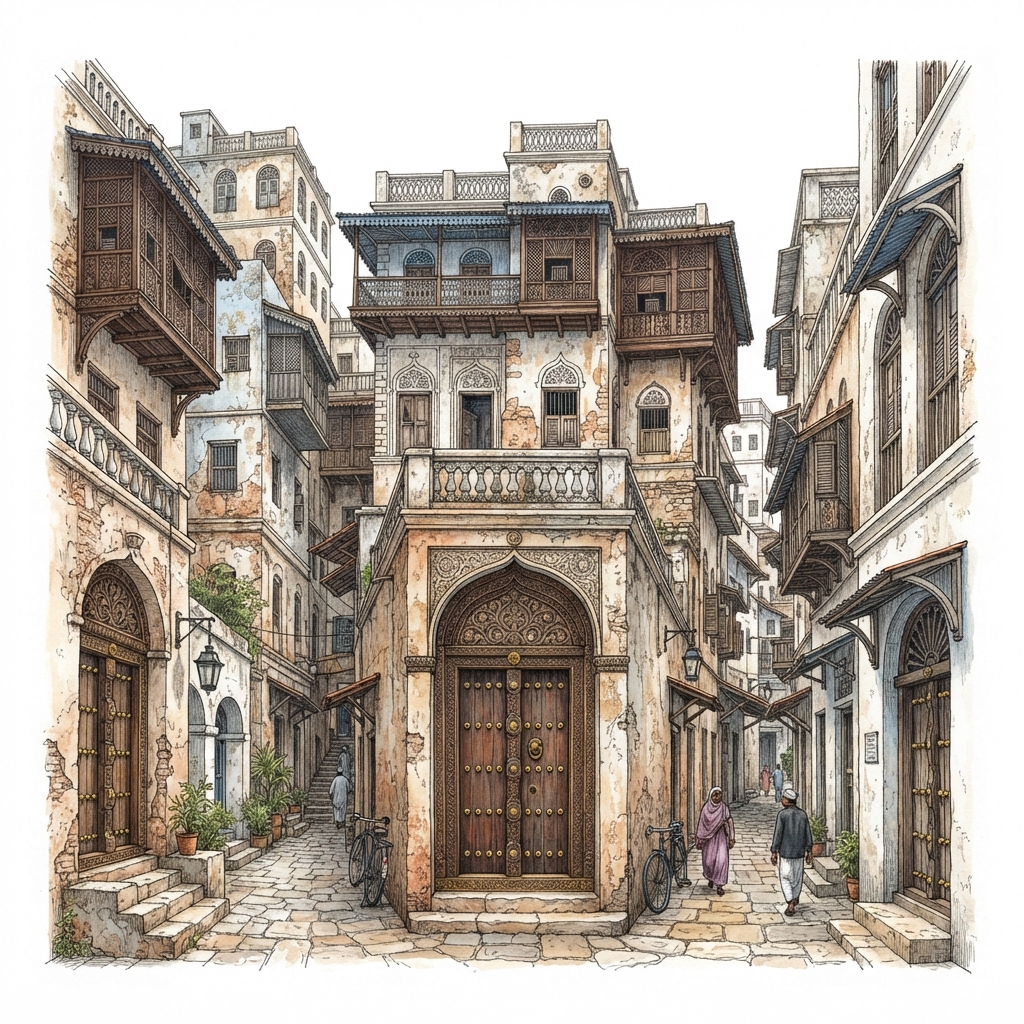
Discover the Living History of Stone Town Zanzibar Stone Town Zanzibar is the historic heart of Zanzibar Island, offering travellers a unique blend of Swahili culture, Indian Ocean heritage, carved wooden doors, and UNESCO-listed architecture. A slow walking journey through Stone Town Zanzibar reveals centuries of trade, storytelling, and coastal traditions that define this remarkable destination. For travellers planning a Tanzania safari holiday, adding a cultural extension to Zanzibar provides the perfect contrast between wildlife adventures and island exploration. After experiencing destinations such as Serengeti, Ngorongoro Crater, or Tarangire, the narrow streets and ocean views of Stone Town Zanzibar offer a different kind of discovery. Unlike a typical beach destination, Stone Town is a place where history remains part of everyday life. Residents still move through ancient alleyways, fishermen prepare traditional boats along the waterfront, and merchants sell spices, fabrics, and handmade crafts in markets that have served generations. For US travellers seeking an authentic African journey, Stone Town Zanzibar delivers a rare combination of luxury, heritage, and cultural immersion. With local Tanzanian expertise, Odysseys From Africa helps travellers create personalised itineraries that connect Zanzibar’s history with mainland safaris and coastal adventures. Why Stone Town Zanzibar Is a Must-Visit UNESCO Heritage Destination Stone Town Zanzibar is recognised as a UNESCO World Heritage Site because of its exceptional Swahili architecture, historic buildings, and cultural importance as an Indian Ocean trading centre. Visitors experience a living museum where African, Arab, Indian, and European influences meet. Located on the western coast of Zanzibar Island, Stone Town developed over centuries as a major port connecting East Africa with Arabia, Persia, India, and beyond. The town’s importance came from its position along Indian Ocean trade routes. Merchants exchanged: Spices Ivory Textiles Timber Precious goods These connections created the multicultural identity that defines Zanzibar today. Walking through Stone Town Zanzibar feels different from visiting a traditional museum. The history is not separated behind glass displays; it appears in: Coral stone buildings Ornate balconies Traditional wooden doors Mosques and religious buildings Coastal marketplaces Family-owned shops Every street has a story. For visitors arriving after a safari experience, Stone Town provides an opportunity to understand the cultural background of the communities surrounding Tanzania’s famous national parks. Travellers can combine their island experience with tailored itineraries such as the short Zanzibar holiday experience or explore wider island options through Zanzibar destination experiences. Stone Town Zanzibar Walking Tour: Exploring the UNESCO Maze A Stone Town Zanzibar walking tour is the best way to experience the city because the narrow streets, hidden courtyards, and historic landmarks reveal their stories slowly. The town is designed for exploration on foot, allowing travellers to discover details that are easily missed from a vehicle. The streets of Stone Town Zanzibar form a fascinating maze of small passages, market lanes, and historic buildings. Unlike modern cities with wide roads and planned neighbourhoods, Stone Town developed organically around trade, community life, and coastal geography. A guided walk usually includes some of the town’s most important landmarks. The House of Wonders One of Stone Town’s most recognisable buildings, the House of Wonders reflects Zanzibar’s historic connection with innovation and international trade. Its impressive architecture once represented modern technology and royal influence in East Africa. Although restoration projects have affected access over different periods, the building remains an important symbol of Zanzibar’s heritage. The Old Fort Built in the late 17th century, the Old Fort is one of the oldest surviving structures in Stone Town Zanzibar. Today, the area functions as a cultural gathering space where visitors can experience: Local performances Art exhibitions Cultural events Traditional crafts Its thick stone walls provide a reminder of Zanzibar’s complex history of power and influence. Forodhani Gardens A visit to Stone Town Zanzibar is incomplete without experiencing Forodhani Gardens. Located along the waterfront, this popular evening meeting place transforms after sunset into a lively food destination. Visitors can enjoy: Fresh seafood Zanzibar pizza Sugar cane juice Traditional Swahili dishes Forodhani is more than a food market; it represents the social culture of Zanzibar, where families, travellers, and local residents gather together. Stone Town Zanzibar Carved Doors: Stories Hidden in Wood The carved doors of Stone Town Zanzibar are among the city’s most distinctive cultural features, reflecting centuries of Swahili, Arab, and Indian craftsmanship. Each door contains details that reveal the wealth, identity, and history of the families who built these traditional homes. The famous Zanzibar doors are not simply decorative entrances. They are architectural records. Traditional doors often include: Intricate wooden carvings Brass studs Floral patterns Geometric designs Cultural symbols Different styles developed from the communities that influenced Zanzibar. Indian Influence on Zanzibar Doors Many wealthy Indian merchants built homes with large wooden doors featuring detailed carvings and brass decorations. These doors represented: Prosperity Family status Artistic achievement Arab Influence on Zanzibar Architecture Arab-influenced doors often feature rounded designs and elaborate patterns connected to traditional Islamic architecture. The craftsmanship demonstrates the importance of skilled woodworkers throughout Zanzibar’s history. Why Travellers Should Photograph Stone Town Doors For photographers, Stone Town Zanzibar is one of East Africa’s most rewarding destinations. The best photography opportunities include: Early morning street scenes Door details in soft sunlight Local markets Waterfront views Traditional dhow boats A quality camera with a versatile lens allows visitors to capture both architectural details and everyday life. The Slave Market Memorial in Stone Town Zanzibar: Understanding the History The Slave Market Memorial in Stone Town Zanzibar preserves the memory of one of the darkest periods in East African history. Visiting this site helps travellers understand Zanzibar’s role in regional trade networks and the importance of remembering historical experiences. Zanzibar was once a major centre within the East African slave trade network. Today, the memorial site provides a place for reflection and education. It forms an important part of cultural tours through Stone Town Zanzibar because it connects visitors with the realities behind the island’s economic and social development. A responsible visit focuses on: Learning historical context Respecting memorial spaces Understanding local perspectives…

Read More
Tanzania coast circuit
Tanzania Safari Guides·

Tanzania Coast Circuit: The Ultimate Seven-Day Bagamoyo to Tanga Route

Discover the Tanzania Coast Circuit Beyond the Classic Safari A Tanzania coast circuit offers a rare way to experience the country beyond the famous savannah landscapes, combining ancient Swahili history, coastal wildlife, tropical beaches, and authentic village encounters. For travellers planning a Tanzania safari holiday, this seven-day journey from Bagamoyo to Tanga reveals a quieter side of Tanzania shaped by ocean traditions, conservation areas, and local communities. Designed for curious US travellers seeking an authentic luxury adventure, the route connects historic Bagamoyo, Saadani National Park, the Pangani coastline, and the peaceful port city of Tanga. With local Tanzanian expertise, Odysseys From Africa creates journeys that balance comfort, culture, wildlife, and meaningful experiences. Why the Tanzania Coast Circuit Is a Unique Luxury Travel Experience The Tanzania coast circuit combines history, wildlife, beaches, and cultural experiences into one unforgettable coastal journey. Unlike traditional beach holidays, this route allows travellers to discover the hidden landscapes between Dar es Salaam and northern Tanzania while enjoying personalised travel experiences. Many visitors know Tanzania for the Serengeti Great Migration, Ngorongoro Crater, and Zanzibar beaches. However, the mainland coastline between Bagamoyo and Tanga remains one of East Africa’s most fascinating regions. This coastal route follows centuries-old trade pathways where Arab, African, and European influences shaped the Swahili civilisation. Travellers encounter: Historic coastal towns with centuries of heritage Wildlife experiences at Saadani National Park Traditional fishing communities Quiet Indian Ocean beaches River ecosystems and mangrove landscapes Authentic Swahili cuisine Boutique coastal accommodation For US travellers looking for a deeper connection with Tanzania, the Tanzania coast circuit provides an alternative to crowded tourist routes. Rather than moving quickly between famous destinations, this itinerary focuses on slow exploration. Each location offers time to understand the people, landscapes, and stories that make Tanzania unique. Tanzania Coast Circuit Itinerary: Seven Days from Bagamoyo to Tanga The Tanzania coast circuit itinerary follows a seven-day route beginning in historic Bagamoyo and ending in Tanga, with stops at Saadani National Park and Pangani. This journey is ideal for travellers who want cultural discovery, coastal relaxation, and wildlife encounters in one premium Tanzania travel experience. The route can be customised depending on travel interests, including extensions to Zanzibar, Serengeti safari tours, or luxury lodges in northern Tanzania. Day 1: Exploring Historic Bagamoyo — The Gateway of the Swahili Coast Bagamoyo is one of Tanzania’s most historically important coastal towns and the perfect starting point for the Tanzania coast circuit. Located north of Dar es Salaam, Bagamoyo was once a major trading centre connecting inland Africa with Indian Ocean merchants. The town’s name is often translated as “lay down your heart,” reflecting its role as a place where travellers, traders, and explorers passed through. Today, Bagamoyo offers visitors a chance to explore: Historic German colonial buildings Ancient caravan routes Traditional dhow boat culture Local art communities Coastal markets Swahili architecture A guided walking tour provides deeper insight into the town’s history and introduces visitors to local storytellers who preserve Bagamoyo’s heritage. For travellers arriving from the United States, Bagamoyo is also an excellent first destination because it allows time to adjust after international flights before beginning longer adventures. Many visitors combine the coastal route with a broader Tanzania safari holiday, adding destinations such as: Serengeti National Park Ngorongoro Crater Tarangire National Park Zanzibar Island Odysseys From Africa specialises in creating personalised itineraries that connect Tanzania’s diverse landscapes. Travellers can explore options such as the Best of Northern Tanzania safari experience before or after their coastal journey. Day 2: Saadani National Park — Where Safari Meets the Indian Ocean Saadani National Park makes the Tanzania coast circuit unique because it is one of the few places in East Africa where visitors can experience wildlife viewing beside the ocean. The park combines savannah, wetlands, forests, and beaches, creating a rare coastal safari destination. Located between Bagamoyo and Tanga, Saadani National Park provides an unexpected wildlife experience away from Tanzania’s more famous safari areas. The park is home to: Elephants Giraffes Buffalo Zebras Antelope species Hippos Numerous bird species While it may not have the enormous wildlife concentrations of the Serengeti, Saadani offers something different: intimacy and exclusivity. A morning game drive can be followed by an afternoon relaxing beside the Indian Ocean. This combination makes Saadani especially attractive for travellers who want both adventure and comfort. Why Include Saadani in a Tanzania Coast Circuit? The answer is simple: it creates a complete East African experience. A traditional safari usually focuses on inland ecosystems. A coastal safari introduces another dimension where wildlife, ocean scenery, and local culture exist together. For photographers, Saadani provides opportunities to capture: Wildlife against coastal backgrounds Birdlife around wetlands Traditional fishing scenes Sunrise and sunset landscapes Travellers interested in specialised wildlife photography can also extend their journey with a dedicated photographic safari experience in Tanzania. Planning Your Tanzania Coast Circuit From the United States Travellers from the United States can comfortably plan a Tanzania coast circuit by connecting through major international hubs and allowing time for cultural adjustment after arrival. The best itineraries combine coastal exploration with Tanzania’s famous safari destinations or Zanzibar extensions. Many US visitors travel through international gateways such as: New York (JFK) Atlanta Los Angeles Washington DC Chicago Common flight connections include routes through: Doha Istanbul Dubai Amsterdam Addis Ababa Most international travellers arrive through Julius Nyerere International Airport in Dar es Salaam or Kilimanjaro International Airport near Arusha. For travellers combining the coast with a classic safari, Arusha remains an important starting point because it provides access to northern safari parks. Odysseys From Africa’s local knowledge helps visitors design practical routes that reduce unnecessary travel time while maximising experiences. A complete itinerary may combine: Option 1: Coastal Discovery Dar es Salaam → Bagamoyo → Saadani → Pangani → Tanga Option 2: Safari and Coast Combination Arusha → Serengeti → Ngorongoro → Zanzibar → Tanzania Coast Circuit Option 3: Luxury Honeymoon Route Arusha safari → Coastal Tanzania → Zanzibar beaches Conclusion: Why the Tanzania Coast Circuit Belongs on Your 2026 Travel…

Read More
Zanzibar to Nyerere National Park
Tanzania Safari Guides·

Zanzibar to Nyerere National Park Fly-In Safari Experiences

Zanzibar to Nyerere National Park is one of Tanzania’s most rewarding safari extensions, allowing travellers to exchange turquoise beaches and island relaxation for a short flight into one of Africa’s largest wilderness areas. In just a few hours, visitors can move from the Indian Ocean coastline to a remote landscape of elephants, lions, hippos, crocodiles, and river channels. Many travellers think they must choose between a Zanzibar beach holiday and a Tanzania safari. They do not. The perfect combination is often both. Spend several days enjoying: White-sand beaches. Historic Stone Town. Spice experiences. Indian Ocean activities. Then add a three-day safari adventure in Nyerere National Park. Formerly part of the famous Selous Game Reserve, Nyerere offers a completely different experience from the northern safari circuit. Instead of endless plains, the park is shaped by: The Rufiji River. Lakes and wetlands. Woodlands. Remote wilderness. For travellers staying in Zanzibar, Zanzibar to Nyerere National Park is one of the easiest ways to experience a true African bush adventure without sacrificing valuable holiday time. At Odysseys From Africa, we specialise in combining Tanzania’s wildlife destinations with Zanzibar’s coastal experiences to create seamless East African journeys. Why Add Nyerere National Park to a Zanzibar Holiday? Adding Nyerere National Park to a Zanzibar holiday gives travellers the best of Tanzania’s two greatest attractions: tropical beaches and authentic African wilderness. A beach holiday alone offers relaxation, but a safari adds: Wildlife encounters. Adventure. Photography opportunities. Cultural experiences. Unforgettable landscapes. Nyerere is particularly suitable because it is located in southern Tanzania and can be reached easily by light aircraft from Zanzibar. Unlike longer road transfers, flying allows visitors to maximise their safari time. A typical extension includes: Day 1: Fly from Zanzibar to Nyerere, afternoon game activity. Day 2: Full safari experience with boat safari. Day 3: Morning activity and return flight. This makes it ideal for honeymooners, families, and travellers with limited time. How to Travel From Zanzibar to Nyerere National Park The easiest way to travel from Zanzibar to Nyerere National Park is by scheduled or charter light aircraft, avoiding long road journeys and connecting directly into the safari experience. Flights usually operate through safari air networks connecting Zanzibar with airstrips near Nyerere’s lodges and camps. The journey offers: Scenic aerial views. Minimal travel time. Direct access to the wilderness. Compared with travelling by road, flying provides a much more comfortable experience. A road journey would require: Ferry or flight connections from Zanzibar. Long transfers. Several hours on the road. For a short safari add-on, flying is the preferred option. What Makes Nyerere National Park Special? Nyerere National Park is one of Tanzania’s largest protected areas and offers a unique safari experience centred around rivers, wetlands, and diverse wildlife habitats. The park covers a vast wilderness area that was historically part of the Selous ecosystem. Its main attraction is the Rufiji River. This enormous waterway creates opportunities for experiences rarely available in other Tanzanian parks. Visitors can enjoy: Traditional game drives. Boat safaris. Bird watching. Scenic river cruises. The combination of land and water activities makes Nyerere one of Tanzania’s most diverse safari destinations. Wildlife You Can See in Nyerere National Park Nyerere National Park supports a remarkable range of wildlife, making it an excellent addition to a Zanzibar holiday. Common sightings include: Elephants Large elephant herds move throughout the park, often gathering near rivers and lakes. Seeing elephants drinking along the Rufiji River is one of Nyerere’s most memorable experiences. Lions Nyerere supports healthy lion populations. Game drives often provide opportunities to observe these predators in their natural environment. Hippos and Crocodiles The waterways are home to large populations of: Hippos. Nile crocodiles. Water birds. Boat safaris provide the best opportunity to observe these species. Giraffes, Buffalo and Antelope The park’s varied habitats support many herbivore species, including: Giraffes. Buffalo. Impala. Zebra. Wildebeest. The Rufiji River Boat Safari Experience One of the biggest reasons travellers choose Zanzibar to Nyerere National Park extensions is the opportunity to experience a boat safari on the Rufiji River. Unlike traditional vehicle safaris, a boat safari allows visitors to observe wildlife from the water. Highlights include: Hippos emerging from the river. Crocodiles resting on sandbanks. Elephants approaching the shoreline. Colourful birdlife along the banks. Sunset boat cruises are especially popular because they combine wildlife viewing with spectacular scenery. The changing colours over the Rufiji River create one of Tanzania’s most beautiful safari moments. Three-Day Zanzibar to Nyerere National Park Itinerary A short Nyerere extension fits perfectly after a Zanzibar beach stay. Day 1: Fly Zanzibar to Nyerere Morning: Flight from Zanzibar. Arrival at safari airstrip. Transfer to lodge. Afternoon: Game drive. Wildlife viewing. Dinner at camp. Day 2: Full Nyerere Safari Experience Morning: Breakfast. Game drive or walking safari. Afternoon: Rufiji River boat safari. Evening: Sunset views. Bush dinner experience. Day 3: Final Safari and Return to Zanzibar Morning: Short game activity. Breakfast. Flight back to Zanzibar. This itinerary provides an authentic safari experience without requiring a long commitment. Combining Nyerere With Other Tanzania Experiences A Zanzibar to Nyerere National Park extension can be combined with several other Tanzania adventures. Popular combinations include: Serengeti National Park. Ngorongoro Crater. Tarangire National Park. Ruaha National Park. Travellers planning a wider Tanzania adventure can explore our Tanzania Explorer itinerary. For those focusing on the famous northern circuit before relaxing in Zanzibar, our Best of Northern Tanzania safari options provide an excellent foundation. Before travelling, our Travel Information guide provides useful preparation advice for Tanzania holidays. Best Time for a Zanzibar to Nyerere National Park Safari The best time for a Zanzibar to Nyerere National Park safari depends on whether you prefer peak wildlife viewing, green landscapes, birdlife, or fewer visitors. Nyerere is a year-round destination, but each season offers a different experience. June to October: Best Wildlife Viewing The dry season is generally considered the best period for wildlife viewing. During these months: Animals gather around rivers and water sources. Vegetation becomes thinner. Game drives become more productive. Temperatures remain comfortable….

Read More
Southern Tanzania road safari
Tanzania Safari Guides·

Southern Tanzania Road Safari | 10-Day Park Route

A Southern Tanzania road safari is one of the best ways to discover the country’s less crowded wilderness areas, combining the wildlife-rich plains of Mikumi, the rainforest mountains of Udzungwa, the vast wilderness of Ruaha, and the waterways of Nyerere National Park over an unforgettable ten-day journey. While destinations such as Serengeti and Ngorongoro attract most first-time visitors, southern Tanzania offers a different style of adventure. The southern circuit is defined by: Fewer vehicles. Remote landscapes. Diverse ecosystems. Authentic safari experiences. Longer wildlife encounters. This route connects four remarkable destinations: Mikumi National Park – the accessible wildlife gateway. Udzungwa Mountains National Park – Tanzania’s hiking and rainforest paradise. Ruaha National Park – the giant wilderness of lions and elephants. Nyerere National Park – rivers, boats, and diverse wildlife. For travellers seeking a deeper connection with Tanzania’s landscapes, this Southern Tanzania road safari offers a perfect balance of game drives, hiking, culture, and adventure. Why Choose a Southern Tanzania Road Safari? A Southern Tanzania road safari is ideal for travellers who want to experience Tanzania beyond the famous northern parks, offering dramatic scenery, fewer crowds, and some of Africa’s most untouched wilderness. The southern circuit provides several advantages: Fewer Crowds Compared with the northern safari destinations, southern Tanzania feels more remote. You can enjoy: Quiet game drives. Private wildlife sightings. Unspoiled landscapes. Diverse Experiences This route is not only about traditional game drives. Travellers can enjoy: Mountain hiking. Waterfall walks. Boat safaris. Bird watching. Cultural experiences. Authentic Wilderness Southern Tanzania remains one of Africa’s great safari frontiers. Large landscapes and low visitor numbers create a genuine sense of exploration. Day 1–2: Mikumi National Park – The Gateway to Southern Tanzania Mikumi National Park is often the first stop on a southern Tanzania road safari because of its accessibility from Dar es Salaam and its excellent wildlife viewing opportunities. Located along the route to the southern highlands, Mikumi offers a beautiful introduction to Tanzania’s wilderness. The park is famous for: Elephants. Lions. Giraffes. Zebras. Buffalo. Wildebeest. Hippos. The Mkata River floodplain creates a landscape similar to the Serengeti, earning comparisons with Tanzania’s famous northern plains. Highlights of Mikumi During game drives, visitors can explore: Open grasslands. Acacia woodlands. River habitats. The park is particularly rewarding for travellers who want to begin their safari quickly after arriving in Tanzania. Day 3: Udzungwa Mountains National Park – Rainforest and Waterfalls Udzungwa Mountains National Park introduces a completely different environment from traditional safari destinations. Known as the “Eastern Arc Mountains’ biodiversity hotspot,” Udzungwa protects ancient rainforest, endemic species, and spectacular hiking trails. The highlight for many visitors is the journey to: Sanje Waterfalls The famous Sanje Falls trail takes travellers through rainforest landscapes before reaching impressive viewpoints overlooking cascading waterfalls. Along the way, visitors may encounter: Red colobus monkeys. Birds. Butterflies. Rare plant species. Unlike vehicle-based safaris, Udzungwa is experienced on foot, making it a perfect adventure addition. Day 4–6: Ruaha National Park – Tanzania’s Wild Heart Ruaha National Park is the centrepiece of many Southern Tanzania road safari itineraries. As Tanzania’s largest national park, Ruaha offers vast wilderness, impressive wildlife populations, and some of the country’s best predator viewing. The park is famous for: Large elephant herds. Powerful lion prides. African wild dogs. Buffalo. Leopards. The Great Ruaha River provides an essential water source, attracting wildlife throughout the year. Why Ruaha Is Special Ruaha feels different from more famous parks because of its size and remoteness. Visitors experience: Fewer safari vehicles. Huge landscapes. Dramatic baobab scenery. Excellent photography opportunities. The park is particularly rewarding for travellers who appreciate classic African wilderness. Wildlife Highlights in Ruaha National Park Ruaha offers some of the strongest wildlife encounters in southern Tanzania. Species commonly seen include: Elephants Ruaha supports one of East Africa’s largest elephant populations. Large herds often move through the park’s river valleys. Lions The park is famous for impressive lion prides. Open landscapes make sightings easier during many game drives. African Wild Dogs Ruaha is one of Tanzania’s best places to see endangered African wild dogs. Their movements across the park are one of the region’s most exciting wildlife stories. Birds Bird lovers will appreciate: Eagles. Hornbills. Kingfishers. Migratory species. Day 7–9: Nyerere National Park – River Safari and Wilderness Formerly known as the Selous Game Reserve, Nyerere National Park completes the southern Tanzania road safari with a completely different experience. Unlike Ruaha’s dry wilderness, Nyerere is shaped by rivers, lakes, and wetlands. The Rufiji River is the heart of the park. Visitors can enjoy: Boat safaris. Wildlife viewing from the water. Bird watching. Scenic sunset cruises. Wildlife Along the Rufiji River Boat excursions often reveal: Hippos. Crocodiles. Water birds. Elephants drinking along the banks. The combination of land and water activities makes Nyerere one of Tanzania’s most diverse safari destinations. Day 10: Returning From Your Southern Tanzania Road Safari The final day depends on your travel plans. Common options include: Returning to Dar es Salaam. Flying to Zanzibar. Connecting with another Tanzania safari route. Many travellers finish their southern Tanzania adventure with a relaxing beach extension. A Zanzibar stay can include: Stone Town. Mnemba Atoll snorkelling. Prison Island. Paje Beach. Our Tanzania Explorer itinerary can be customised to combine safari adventures with Zanzibar relaxation. Best Time for a Southern Tanzania Road Safari A Southern Tanzania road safari can be enjoyed throughout the year, but the best travel period depends on whether you prefer peak wildlife viewing, green landscapes, birdlife, or fewer visitors. June to October: Best Wildlife Viewing Season The dry season is generally considered the best time for game viewing. During these months: Animals gather around rivers and water sources. Vegetation becomes thinner. Wildlife is easier to spot. Roads are more accessible. Ruaha and Nyerere are especially rewarding during this period because animals concentrate around permanent water sources. November to March: Green Season Adventure The rainy season transforms southern Tanzania into a beautiful green landscape. Benefits include: Fresh vegetation. Migratory birds. Newborn animals. Dramatic photography conditions. Fewer tourists. Udzungwa Mountains are particularly…

Read More
Kitulo Plateau
Tanzania Travel Guides·

Kitulo Plateau Experiences | Tanzania’s Flower Paradise

Kitulo Plateau is one of Tanzania’s most unique natural destinations, famous for its breathtaking seasonal display of wildflowers, rare plant species, dramatic mountain scenery, and reputation as the “Serengeti of Flowers.” Located in the southern highlands between the Kipengere, Livingstone, and Poroto Mountains, the plateau offers a completely different experience from Tanzania’s famous wildlife safaris. While most visitors associate Tanzania with lions, elephants, and endless savannah plains, Kitulo reveals another side of the country. Here, the landscape transforms into a colourful botanical wonderland. During the rainy season, vast grasslands burst into bloom with: Orchids. Lilies. Geraniums. Asters. Wildflowers found nowhere else. For nature lovers, photographers, hikers, and travellers seeking destinations beyond the usual safari routes, Kitulo Plateau offers an extraordinary experience. The area is often described as Tanzania’s Garden of God because of its remarkable beauty and peaceful atmosphere. At Odysseys From Africa, we believe Tanzania’s greatest journeys include both iconic destinations and hidden landscapes that reveal the country’s incredible diversity. Where Is Kitulo Plateau Located? Kitulo Plateau is located in Tanzania’s southern highlands between Mbeya and Njombe regions, approximately 2,600 metres above sea level. The plateau forms part of Kitulo National Park, one of Tanzania’s newest national parks and the country’s first protected area established primarily for its botanical importance. Its remote location means fewer visitors compared with famous destinations such as: Serengeti National Park. Ngorongoro Crater. Tarangire National Park. However, this isolation is part of its charm. The journey to Kitulo takes travellers through spectacular highland scenery, including: Rolling hills. Mountain valleys. Tea plantations. Rural Tanzanian villages. Visitors often combine Kitulo with southern Tanzania adventures, including Ruaha National Park and the beautiful landscapes around Mbeya. Why Kitulo Plateau Is Called the Serengeti of Flowers Kitulo Plateau earned the nickname “Serengeti of Flowers” because of its extraordinary seasonal flower displays that cover the grasslands with vibrant colours. Unlike the famous Serengeti plains, which are known for wildlife migration, Kitulo’s attraction is its botanical diversity. The plateau contains hundreds of plant species, including many that are rare or endemic to Tanzania. During peak flowering months, visitors can experience: Fields covered with wildflowers. Mountain views stretching across the highlands. Fresh alpine air. Peaceful hiking trails. The scenery changes dramatically throughout the year, making every visit unique. The Best Time to Visit Kitulo Plateau The best time to visit Kitulo Plateau depends on whether you want to experience the famous flower season or enjoy quieter hiking conditions. November to April: Flower Season This is the most spectacular period. The rainy season transforms the plateau into a colourful landscape. Visitors can expect: Blooming orchids. Fresh green vegetation. Wildflower-covered valleys. Excellent photography opportunities. December to March is often considered the peak flowering period. May to October: Hiking Season The dry season offers: Clearer mountain views. Comfortable hiking conditions. Less rainfall. Easier trail access. Although fewer flowers may be visible, the landscapes remain impressive. The Botanical Wonders of Kitulo Plateau Kitulo Plateau is famous because of its exceptional plant diversity. The park contains one of the largest concentrations of alpine flowers in Africa. Visitors may encounter: Orchids Kitulo is especially famous for its orchid species. The plateau supports many native orchids that bloom during the rainy season. Wildflowers The grasslands display: Yellow flowers. Purple blooms. White floral carpets. Bright seasonal colours. Endemic Plants Some species found here exist only in the southern Tanzanian highlands. This makes Kitulo important for conservation and scientific research. Hiking and Walking Experiences in Kitulo Plateau Kitulo Plateau is one of Tanzania’s best destinations for travellers who enjoy walking, photography, and peaceful exploration. Unlike traditional safaris focused on vehicles, Kitulo is experienced on foot. Popular activities include: Nature Walks Visitors can explore: Flower-filled valleys. Open grasslands. Mountain viewpoints. Photography Walks The plateau offers incredible subjects: Wildflowers. Clouds over mountains. Highland landscapes. Local communities. Scenic Hiking Routes Popular hiking areas include trails around: Matema. Livingstone Mountains. Kitulo grasslands. Professional guides help visitors understand the ecology and history of the area. Wildlife You Can See Around Kitulo Plateau Although Kitulo is mainly famous for plants, the area also supports interesting wildlife. Visitors may encounter: Mountain reedbuck. Elusive antelope species. Small mammals. Various bird species. The birdlife is especially impressive. Common sightings include: Blue swallow. Mountain marsh widow. Denham’s bustard. Njombe cisticola. For birdwatchers, Kitulo is one of Tanzania’s most rewarding destinations. Kitulo Plateau Compared With Tanzania’s Classic Safaris Kitulo Plateau offers a completely different experience from Tanzania’s famous wildlife parks. Destination Main Attraction Serengeti Great Migration and predators Ngorongoro Crater wildlife viewing Tarangire Elephants and baobabs Kitulo Plateau Flowers, hiking and botanical diversity Travellers looking for a deeper Tanzania experience often combine traditional safaris with destinations like Kitulo. Combining Kitulo Plateau With a Tanzania Safari Kitulo Plateau can be included in a longer southern Tanzania itinerary alongside wilderness destinations and cultural experiences. Popular combinations include: Ruaha National Park. Mikumi National Park. Udzungwa Mountains. Mbeya highlands. Our Tanzania Explorer itineraries can be customised for travellers wanting a mix of wildlife, landscapes, and unique destinations. For visitors focusing on Tanzania’s northern safari circuit, our Best of Northern Tanzania options provide access to iconic destinations before extending the journey south. Before travelling, our Travel Information page provides helpful guidance on preparation, seasons, and planning your Tanzania adventure. Photography Tips for Kitulo Plateau Kitulo Plateau is one of Tanzania’s most rewarding destinations for photographers because its landscapes, flowers, and mountain scenery create images unlike anywhere else in the country. The plateau offers a completely different photographic experience from traditional safari destinations. Instead of capturing wildlife action, photographers focus on: Vast flower fields. Mountain landscapes. Changing weather. Highland communities. Rare plant species. Best Photography Seasons The rainy season between December and March provides the most dramatic colours. During this period, photographers can capture: Bright wildflower carpets. Morning mist. Fresh green landscapes. Dramatic cloud formations. The early morning and late afternoon provide the best natural light. Recommended Equipment Bring: Wide-angle lens for landscapes. Macro lens for flowers. Extra batteries. Waterproof camera protection. Tripod for sunrise and sunset photography….

Read More