Wild Adventures, Timeless Memories...

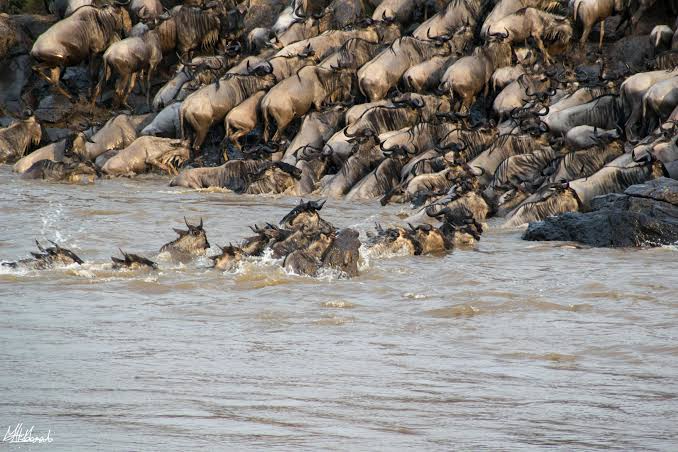
Safaris in Tanzania: Witnessing the Great Wildebeest Migration
Few wildlife experiences on Earth can match the incredible spectacle of millions of wildebeest moving across the endless plains of East Africa. The Great Wildebeest Migration is one of nature’s most remarkable events, attracting travelers from around the world who dream of witnessing dramatic river crossings, massive wildlife herds, and unforgettable predator encounters.
For many travelers, experiencing this natural wonder is the ultimate reason to book Safaris in Tanzania. The migration showcases the raw beauty of the Serengeti ecosystem, where survival, movement, and renewal take place every year across thousands of kilometers of wilderness.
Unlike a single event that happens on a specific date, the Great Migration is a continuous cycle influenced by rainfall, grazing conditions, and natural instincts. Understanding the migration patterns is essential when planning your Tanzania safari because each season offers a different experience.
Whether you are traveling from the United States, Europe, Kenya, or elsewhere, this guide will help you understand when, where, and how to experience the Great Wildebeest Migration in Tanzania.
For travelers planning their first African adventure, our guide on Why Safaris in Tanzania Are the Ultimate Escape for European Travelers provides valuable inspiration.
What Is the Great Wildebeest Migration?
The Great Wildebeest Migration is the annual movement of more than one million wildebeest, accompanied by hundreds of thousands of zebras and gazelles, through the Serengeti ecosystem in Tanzania and the Maasai Mara ecosystem in Kenya.
This incredible journey follows ancient migration routes created by generations of animals searching for:
- Fresh grasslands
- Reliable water sources
- Better grazing areas
- Suitable conditions for raising young
The migration represents one of the largest wildlife movements on the planet and is a powerful reminder of how closely animals depend on natural ecosystems.
During your Safaris in Tanzania, you may witness:
- Huge herds stretching across the horizon
- Lions following migrating animals
- Cheetahs hunting in open plains
- Crocodile-filled river crossings
- Thousands of newborn calves during calving season
Why Tanzania Is the Best Destination for the Great Migration
Although the migration extends into Kenya’s Maasai Mara, Tanzania remains the heart of this extraordinary wildlife event.
The Serengeti ecosystem covers a vast area, allowing visitors to experience different stages of the migration throughout the year.
1. The Serengeti Offers Year-Round Wildlife
The Serengeti is not only famous for migration. It is one of Africa’s greatest year-round wildlife destinations.
Visitors can experience:
- Lions
- Leopards
- Elephants
- Buffalo
- Giraffes
- Hippos
- Hyenas
- Cheetahs
- Rhinos
The combination of migration and resident wildlife makes the Serengeti one of the world’s most complete safari destinations.
2. Tanzania Offers Exclusive Safari Experiences
Many areas of the Serengeti provide intimate wildlife experiences away from large crowds.
Travelers can choose from:
- Luxury tented camps
- Private safari vehicles
- Photographic safaris
- Mobile migration camps
- Tailor-made itineraries
For travelers seeking premium accommodation, explore:
Top 10 Luxury Lodges for Exclusive Safaris in Tanzania
Great Wildebeest Migration Calendar: Month-by-Month Guide
The location of the migration changes throughout the year. Each season provides unique opportunities for travelers.
January to March: Calving Season in Southern Serengeti
The beginning of the year is one of the most magical times to experience the migration.
Thousands of wildebeest calves are born across the southern Serengeti and Ndutu Conservation Area.
This period offers:
- Newborn animals
- Predator action
- Excellent photography opportunities
- Green landscapes
- Fewer tourists
The abundance of young animals attracts predators such as lions, cheetahs, and hyenas, creating dramatic wildlife scenes.
April to May: The Great Migration Moves Through the Central Serengeti
As the rains continue, the wildebeest herds begin moving northward through the Serengeti. During this period, animals gather in enormous groups as they prepare for their journey toward new grazing areas.
April and May can be an excellent time for travelers who prefer fewer visitors and greener landscapes.
Highlights of this season include:
- Large herds moving across open plains.
- Dramatic skies and beautiful photography conditions.
- Excellent predator sightings.
- Lower lodge availability pressure compared to peak season.
The green scenery creates incredible photographic opportunities, making this period popular among wildlife photographers.
Travelers interested in capturing professional-quality images can also explore:
Photographic Safaris in Tanzania: Tips from Expert Wildlife Guides
June to July: The Journey Toward the Western Serengeti
As the dry season begins, the migration continues toward the western regions of the Serengeti.
During this time, visitors may experience:
- Massive wildlife gatherings.
- River crossings at the Grumeti River.
- Predator activity around migration routes.
- Exceptional game viewing.
The Grumeti River crossings are among the earliest dramatic water challenges faced by migrating herds.
While the famous Mara River crossings receive more attention, the Grumeti crossings provide a more intimate alternative with fewer vehicles.
This makes early dry season an excellent choice for travelers looking for a balance between wildlife action and exclusivity.
July to October: The Famous Mara River Crossings
The Mara River crossings are among the most dramatic moments of the Great Wildebeest Migration.
During this period, thousands of wildebeest and zebras gather near the northern Serengeti before attempting to cross the river into Kenya’s Maasai Mara.
These crossings are unpredictable and depend on:
- River levels.
- Rainfall patterns.
- Herd movement.
- Animal instincts.
A successful sighting requires patience and experienced guides who understand migration patterns.
During this season, travelers can experience:
- Huge herds gathering near riverbanks.
- Intense wildlife movement.
- Powerful natural scenes.
- Exceptional photography opportunities.
For travelers planning a cross-border East African adventure, explore:
Combining Kenya and Safaris in Tanzania for the Ultimate East African Tour
November to December: Return to Southern Serengeti
After spending time in northern areas, the herds begin moving back south as seasonal rains transform the grasslands.
This period offers:
- Beautiful green landscapes.
- Excellent birdwatching.
- Fewer crowds.
- Attractive safari rates.
The return journey prepares the animals for the next calving season, continuing the endless natural cycle.
Travelers considering the green season can learn more in:
Safaris in Tanzania During the Green Season: Pros and Cons
Best Places to Witness the Great Wildebeest Migration in Tanzania
Choosing the right location is one of the most important decisions when planning your migration safari.
Serengeti National Park
The Serengeti is the main stage of the Great Migration.
Different regions provide different experiences:
Southern Serengeti
Best for:
- Calving season.
- Newborn animals.
- Predator sightings.
- Photography.
Central Serengeti
Best for:
- Year-round wildlife.
- Big Five sightings.
- Convenient access.
- First-time safari travelers.
Western Serengeti
Best for:
- Grumeti River crossings.
- Fewer crowds.
- Remote safari experiences.
Northern Serengeti
Best for:
- Mara River crossings.
- Dramatic migration scenes.
- Combining with Kenya.
How Long Should You Spend on a Migration Safari?
The ideal safari duration depends on your travel goals.
Short Safari (4–5 Days)
Suitable for:
- Travelers with limited time.
- First-time safari visitors.
- Combining safari with Zanzibar.
Recommended focus:
- Serengeti.
- Ngorongoro Crater.
Classic Migration Safari (7–10 Days)
Ideal for most travelers.
Benefits include:
- More time to follow wildlife movement.
- Multiple park experiences.
- Better chances of witnessing migration activity.
A typical itinerary may include:
- Tarangire National Park.
- Ngorongoro Crater.
- Serengeti National Park.
Extended Migration Safari (10–14 Days)
Perfect for wildlife enthusiasts and photographers.
Advantages:
- More flexible movement.
- Time in multiple Serengeti regions.
- Deeper wildlife experiences.
- More relaxed travel pace.
For longer adventures, explore:
Safaris in Tanzania: The Ultimate 14-Day Deep Dive Itinerary
Luxury Experiences During the Great Migration
A migration safari does not mean sacrificing comfort. Tanzania offers some of Africa’s most exceptional luxury safari experiences.
Couples and families can enjoy:
Mobile Luxury Camps
These camps move with the migration, allowing guests to stay close to wildlife movements.
Benefits include:
- Prime locations.
- Personalized service.
- Authentic wilderness atmosphere.
- Smaller guest numbers.
Private Safari Vehicles
A private vehicle allows you to:
- Spend more time at sightings.
- Choose your schedule.
- Take photography opportunities.
- Enjoy a more personalized experience.
Romantic Migration Experiences
Couples can enjoy:
- Sunrise game drives.
- Private bush breakfasts.
- Sunset drinks overlooking the plains.
- Luxury wilderness accommodation.
For honeymoon inspiration, read:
Honeymoon Safaris in Tanzania: Romance in the Heart of the Wild
Photography Tips for the Great Migration
The Great Migration is a dream experience for photographers.
To capture memorable images:
Bring the Right Equipment
Recommended:
- Telephoto lens.
- Extra batteries.
- Memory cards.
- Dust protection equipment.
- Camera cleaning tools.
Shoot During Golden Hours
Early morning and late afternoon provide:
- Softer light.
- Beautiful colors.
- Active wildlife behavior.
Be Patient
Migration photography requires time. Some of the best moments happen unexpectedly.
Professional guides help photographers position themselves safely while respecting wildlife behavior.
Responsible and Sustainable Migration Safaris
The Great Migration depends on protecting Tanzania’s fragile ecosystems. Responsible tourism helps ensure future generations can experience this natural wonder.
Choose operators that support:
- Conservation programs.
- Local communities.
- Responsible wildlife viewing.
- Sustainable accommodation.
Responsible travelers should:
- Follow guide instructions.
- Avoid disturbing animals.
- Respect park regulations.
- Support local businesses.
Learn more about sustainable travel:
Eco-Friendly Safaris in Tanzania: Traveling Sustainably in East Africa
What to Pack for a Great Migration Safari
Packing correctly improves your safari experience.
Essential items include:
Clothing
- Neutral-colored clothing.
- Lightweight layers.
- Warm jacket for mornings.
- Comfortable walking shoes.
- Hat and sunglasses.
Photography Equipment
- Camera.
- Binoculars.
- Extra batteries.
- Memory cards.
Personal Items
- Sunscreen.
- Insect repellent.
- Personal medication.
- Travel documents.
International visitors can find additional advice here:
The European’s Guide to Packing for Safaris in Tanzania
Great Wildebeest Migration Safari Cost
The cost of experiencing the migration depends on several factors:
- Travel season.
- Accommodation level.
- Safari duration.
- Private or shared vehicle.
- Number of travelers.
- Additional experiences.
Typical safari categories include:
Budget Safaris
Suitable for travelers who want an affordable wildlife experience while maintaining quality.
Mid-Range Safaris
Offer comfortable lodges and well-planned itineraries.
Luxury Safaris
Include:
- Premium camps.
- Private vehicles.
- Exclusive experiences.
- Personalized service.
To understand pricing factors, read:
Understanding the Costs: A Breakdown of Safaris in Tanzania Pricing
Why Choose Odysseys From Africa for Your Migration Safari?
Witnessing the Great Wildebeest Migration requires careful planning, expert knowledge, and the right timing.
At Odysseys From Africa, we specialize in creating tailor-made Safaris in Tanzania designed around your interests and travel goals.
Our migration safari experiences include:
- Expert local guides.
- Carefully selected camps and lodges.
- Flexible itineraries.
- Wildlife-focused routes.
- Private safari options.
- Support from planning to completion.
Whether your dream is witnessing a Mara River crossing, photographing newborn calves, or exploring the Serengeti in luxury, our team will design a safari experience that matches your expectations.
Frequently Asked Questions About the Great Wildebeest Migration
What is the best month to see the Great Migration in Tanzania?
The best month depends on what you want to see. January to March is excellent for calving season, while July to October offers opportunities for dramatic northern Serengeti river crossings.
Is the Great Migration guaranteed during a Tanzania safari?
The migration follows natural patterns and cannot be guaranteed on a specific day. However, experienced safari operators use seasonal knowledge to maximize your chances of witnessing migration activity.
Which park is best for the Great Migration?
Serengeti National Park is the best destination because it hosts the majority of the migration throughout the year.
Can families experience the Great Migration?
Yes. Family-friendly Safaris in Tanzania can be designed with comfortable lodges, shorter drives, and activities suitable for children.
Should I combine Kenya and Tanzania for the migration?
Combining both countries can provide broader migration coverage, especially for travelers interested in following the herds between the Serengeti and Maasai Mara.
Request a Custom Safari Proposal or Plan Your Tanzania Safari Holiday
Whether you’re dreaming of witnessing the Great Wildebeest Migration, exploring the Serengeti, enjoying a luxury safari, or creating a tailor-made East African adventure, Odysseys From Africa is ready to help.
Our safari specialists design personalized itineraries based on your interests, travel dates, and budget, ensuring you experience the very best of Tanzania’s wildlife and landscapes.
Contact us today to start planning your journey.
Location: Arusha, Tanzania
Email: info@odysseys-from-africa.com
Phone: +254 (0) 710 450 797 | +255 (0) 652 810 255
Website: https://odysseys-from-africa.com/


Recent Posts
- Udzungwa Mountains Hiking: The Trek to Sanje Falls in Tanzania’s Rainforest Park
- Mikumi National Park Safari: Bush Within Half a Day of Dar es Salaam
- Ruaha National Park Safari: Baobabs, Big Prides and the Great Ruaha River
- Dar es Salaam Stopover: What to Do Between Flights, Safari and the Coast
- Olduvai Gorge: Standing in the Cradle of Mankind Between Ngorongoro and the Serengeti
Recent Comments
Recent Posts
Categories
- Adventure (9)
- Adventure Travel (3)
- Africa Safari Comparisons (2)
- Africa Safari Guides (7)
- Africa Safari Holidays (1)
- Africa Safari Packages (2)
- Africa Safari Photography (1)
- Africa Safari Travel Guide (2)
- Africa Travel 2026 (1)
- African Safari Experiences (2)
- African Safari Tours (3)
- Allgemein (1)
- anzania Cultural & Historical Travel Guides (1)
- anzania Hiking & Adventure Guides (1)
- anzania Nature & Hiking Guides (1)
- anzania Safari Planning (0)
- Beach & Safari (2)
- Best Safari Africa (2)
- Big Five Wildlife Guide (2)
- Cultural Experiences (5)
- Cultural Travel (1)
- Destinations (Tanzania, Kenya & Central Africa) (5)
- East Africa Safari (1)
- East Africa Safari Combination Tours (1)
- East Africa Safari Comparison (1)
- East Africa Safaris (1)
- Family & Honeymoon Experiences (4)
- Family Safari Africa Tours (1)
- Family Safari Guides (1)
- Family safari Tanzania (0)
- Family Safari Travel (1)
- Family Safaris (1)
- Family Travel (2)
- Food (2)
- Gorilla Trekking Safaris (1)
- Great Migration Safari Guides (1)
- Group-Specific and Specialized (15)
- Guided Safaris (1)
- High-Intent and Professional (4)
- High-Volume and Seasonal (7)
- Honeymoon Safari Travel (1)
- Honeymoon Safaris (2)
- Honeymoon Travel (2)
- Informational and Long-Tail (12)
- Itinerary Planning (2)
- Kilimanjaro Climbing & Trekking (3)
- Kilimanjaro Climbing Guides (0)
- Luxury Beach Holidays Zanzibar (3)
- Luxury Lodges (2)
- Luxury Safari & Beach Travel (1)
- Luxury Safari Camps (1)
- Luxury Safari Experiences (2)
- Luxury Safari Packages (1)
- Luxury Safari Resorts Africa (1)
- Luxury Safari Travel (13)
- Luxury Safari Travel Guide (2)
- Luxury Safari Travel Guides (1)
- Luxury Safari Travel Tanzania (1)
- Luxury Safari Trends Africa (1)
- Luxury Safaris (3)
- Luxury Tanzania Safaris (1)
- Luxury Travel (2)
- Luxury Travel Africa (1)
- Luxury Wildlife Safari (1)
- Mount Kilimanjaro Trekking (0)
- Multi-generational safari Tanzania (0)
- New Year (1)
- Niche (3)
- Packing & Preparation (1)
- Photographic Safaris (5)
- Photography (1)
- Photography Safaris (1)
- Photography Travel (1)
- Romantic Safari Experiences (2)
- Safari & Beach Holiday Packages (1)
- Safari Activities Africa (3)
- Safari Booking Guide (1)
- Safari Comparison (2)
- Safari Comparison Africa (1)
- Safari Comparison Guides (1)
- Safari Comparisons (2)
- Safari Cost Guides (2)
- Safari Destination Comparison (1)
- Safari Destinations (7)
- Safari Experiences (7)
- Safari Experiences Africa (2)
- Safari Photography Guides (1)
- Safari Planning (2)
- Safari Planning & Travel Requirements (2)
- Safari Planning Guides (3)
- Safari Seasons Guide (1)
- Safari Tour Operators (1)
- Safari Travel Checklist (2)
- Safari Travel Guides (2)
- Safari Travel Information (1)
- Safari Travel Planning (1)
- Scuba Diving & Marine Adventures (1)
- Senior Travel & Family Safari Guides (1)
- Serengeti Luxury Safari Camps (2)
- Serengeti National Park (7)
- Serengeti Safari Accommodation (1)
- Serengeti Safari Guides (0)
- Solo Safari Experiences (2)
- Summer (2)
- Sustainable and "Slow Travel" (4)
- Sustainable Safari Experiences (1)
- Sustainable Travel (2)
- Tanzania Adventure Safari Guide (1)
- Tanzania Cultural & Historical Travel Guides (1)
- Tanzania Cultural Safari Experiences (1)
- Tanzania Destinations (2)
- Tanzania family holidays (0)
- Tanzania Hiking & Adventure Guides (1)
- Tanzania Luxury Safari Packages (2)
- Tanzania National Parks & Wildlife Guides (1)
- Tanzania National Parks Safaris (1)
- Tanzania Safari Booking Guide (1)
- Tanzania Safari Cost Guide (0)
- Tanzania Safari Experience (7)
- Tanzania Safari Experiences (22)
- Tanzania Safari Guide (3)
- Tanzania Safari Guides (18)
- Tanzania Safari Guides & Tours (5)
- Tanzania Safari Holidays (4)
- Tanzania Safari Itineraries (1)
- Tanzania Safari Itinerary (1)
- Tanzania Safari National Parks (1)
- Tanzania Safari Planning (1)
- Tanzania Safari Planning Guides (2)
- Tanzania Safari Travel Guides (4)
- Tanzania Safari Wildlife (1)
- Tanzania Travel Guides (2)
- Tanzania Travel Safety (1)
- Tanzania Wildlife Safari Tours (2)
- Travel (4)
- Travel & Tourism (1)
- Travel Budgeting (1)
- Travel Comparison (3)
- Travel Experiences (3)
- Travel Guides (3)
- Travel Inspiration (1)
- Travel Planning (4)
- Travel Safety (2)
- Travel Tips (5)
- Travel Trends (2)
- Uncategorized (70)
- Wildlife & Culture (5)
- Wildlife Conservation Tourism (1)
- Wildlife Migration Africa (1)
- Wildlife Photography Safaris (1)
- Wildlife Safari (1)
- Zanzibar & Beach Add-ons (6)
- Zanzibar Islands & Coastal Escapes (1)
- Zanzibar Travel (1)
- Zanzibar Travel Guides (5)
Newsletter
Tag
adventure travel African wildlife Africa safaris Africa travel East Africa travel Great Migration Kenya safaris Kilimanjaro Climb Lake Natron luxury safari luxury safari Africa luxury safari Tanzania luxury safari travel Luxury Tanzania Safari luxury travel Maasai culture Mount Kilimanjaro Ngorongoro Conservation Area Ngorongoro Crater Northern Tanzania Nyerere National Park Odysseys From Africa photographic safari photographic safaris Ruaha National Park safari packages safari planning Safaris in Tanzania Serengeti Serengeti safari Serengeti safari tours Serengeti tours Southern Tanzania Safari Tanzania Archaeology Tanzania Cultural Tours Tanzania safari Tanzania safari holiday Tanzania Safari Itinerary Tanzania safaris Tanzania tours Tanzania travel wildlife photography wildlife safari Zanzibar Zanzibar travel
Never Miss News
Start your safari
Plan your Africa adventure
Tell us a little about your trip and our team in Arusha will reply within one business day.

Odysseys From Africa crafts bespoke luxury safari experiences across Tanzania and Kenya. From the Serengeti Great Migration to Zanzibar beaches, we create unforgettable African adventures.
© 2026 Odysseys From Africa. All rights reserved. | TALA Licensed Tour Operator
Crafted by Twinfusion